

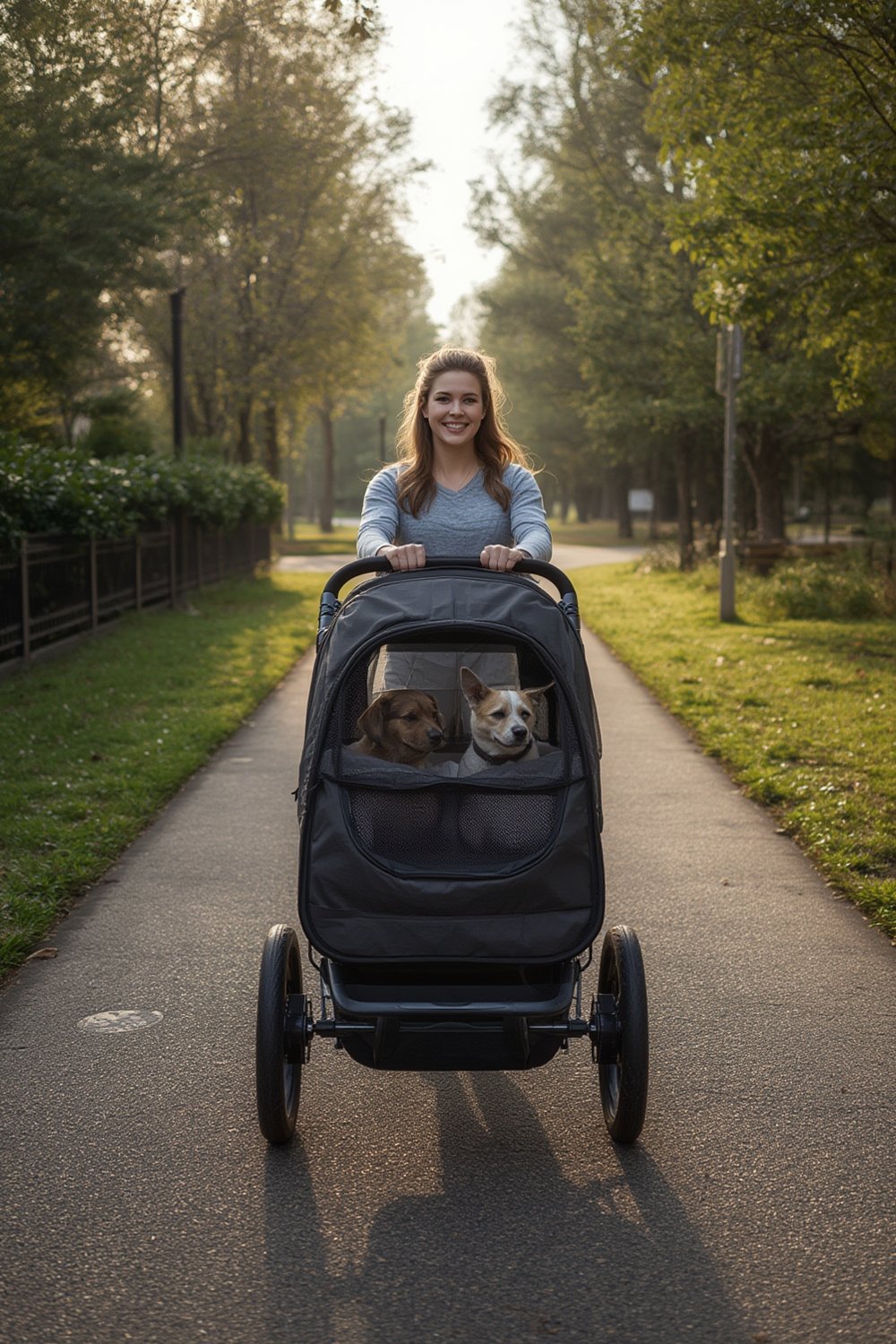
Pet stroller for dogs demand is booming in 2026 as owners look for safer, more comfortable ways to keep their aging, injured, or mobility-challenged dogs active and included in everyday activities. From city sidewalks to hiking trails, the right dog stroller can make a huge difference in quality of life for both pets and people.
Key Takeaways
- The dog stroller market is growing fast, especially for all-terrain, foldable, and jogging models designed for large or elderly dogs.
- Choosing the right pet stroller for dogs means looking beyond weight limits—focus on cabin size, wheel quality, true suspension, and long-term durability.
- Common issues include cabin space being too small, wear and tear on wheels, and strollers underperforming on rough terrain. Always assess real-world needs before buying.
Table of Contents
- Why Pet Stroller for Dogs? The Core Concept in 2024
- Step-by-Step Guide: Picking, Using, and Maintaining the Best Dog Stroller
- Advanced Analysis & Common Pitfalls
- Conclusion
- Frequently Asked Questions
Why Pet Stroller for Dogs? The Core Concept in 2026
With pet ownership and outdoor fitness trends on the rise, dog strollers are evolving rapidly. Owners want gear that reflects their “pet parenting” lifestyles and supports dogs through all stages—from puppyhood to senior years. All-terrain and foldable designs are leading the charge, making adventures easier for families with elderly, obese, post-surgical, or special-needs dogs.
Globally, the pet stroller market is projected to at least double over the next decade, according to recent market data and industry forecasts. In the United States alone, this category reached over $238 million in 2023 and continues to grow, especially in the mid-to-premium all-terrain segment. Key growth drivers are:
- Rising dog ownership (including in urban/condo living)
- Increased focus on senior, arthritic, or mobility-challenged dogs
- Demand for foldable, easily transported strollers for travel and daily use
- “Pet humanization” trends—owners seeking luxury features previously reserved for baby strollers
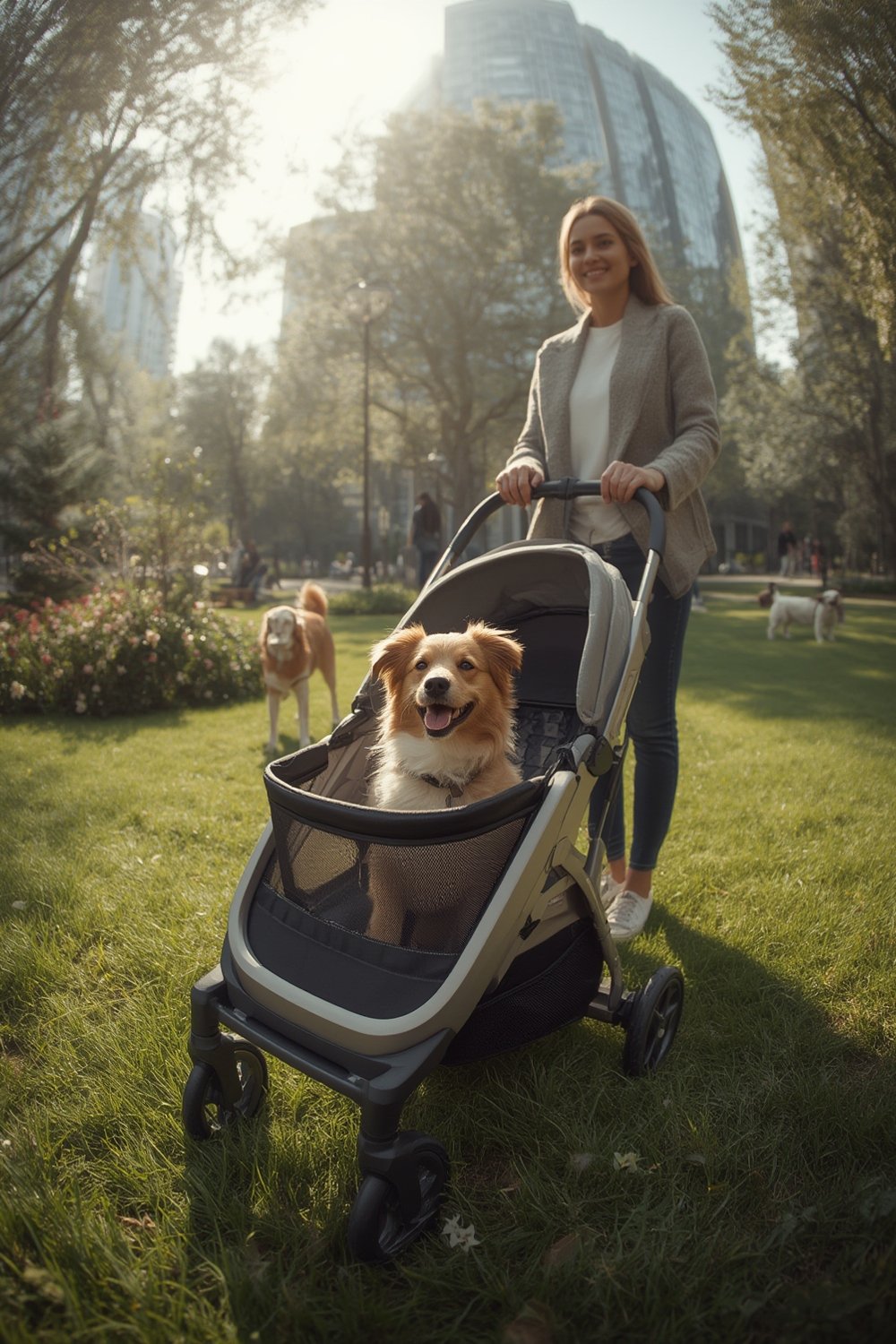
But choosing the right pet stroller for dogs can be surprisingly complex. Real-world comfort, durability, and ease of handling matter just as much as weight limits and colors. Veteran pet owners and mobility experts all agree—details count when your dog’s safety is on the line.
Step-by-Step Guide: Picking, Using, and Maintaining the Best Dog Stroller
Step 1: Know Your Actual Needs—Not Just Dog Weight
Start with your dog’s build, health, and outdoor habits. Elderly, large, or neurologically impaired dogs often need more cabin space and support than manufacturers suggest. Factor in:
- Your dog’s length, height while lying flat, and preferred resting positions
- If you’ll use the stroller on urban sidewalks, rough parks, or true hiking trails
- If you require one-handed folding or single-bottom lifting (important for solo dog parents)
Step 2: Compare Wheel and Suspension Quality
Not all “all-terrain” strollers behave the same. For real off-road or daily jogging use, target models with:
- Large air-filled rubber tires (12 inches+ rear, 10 inches+ front) or quality EVA foam with real suspension
- Swivel front wheel that locks for rough surfaces
- Stable wide wheelbase and low center of gravity
Step 3: Look for Foldability, Weight, and Storage Details
Modern strollers usually offer one-handed folding (essential if you’re juggling leash and gear). Always check:
- Folded dimensions—will it fit in your trunk with wheels on?
- Total stroller weight—15-35 pounds is common, but heavy-duty models can exceed 40 pounds
- Assembly requirements—some tools may be needed on initial setup
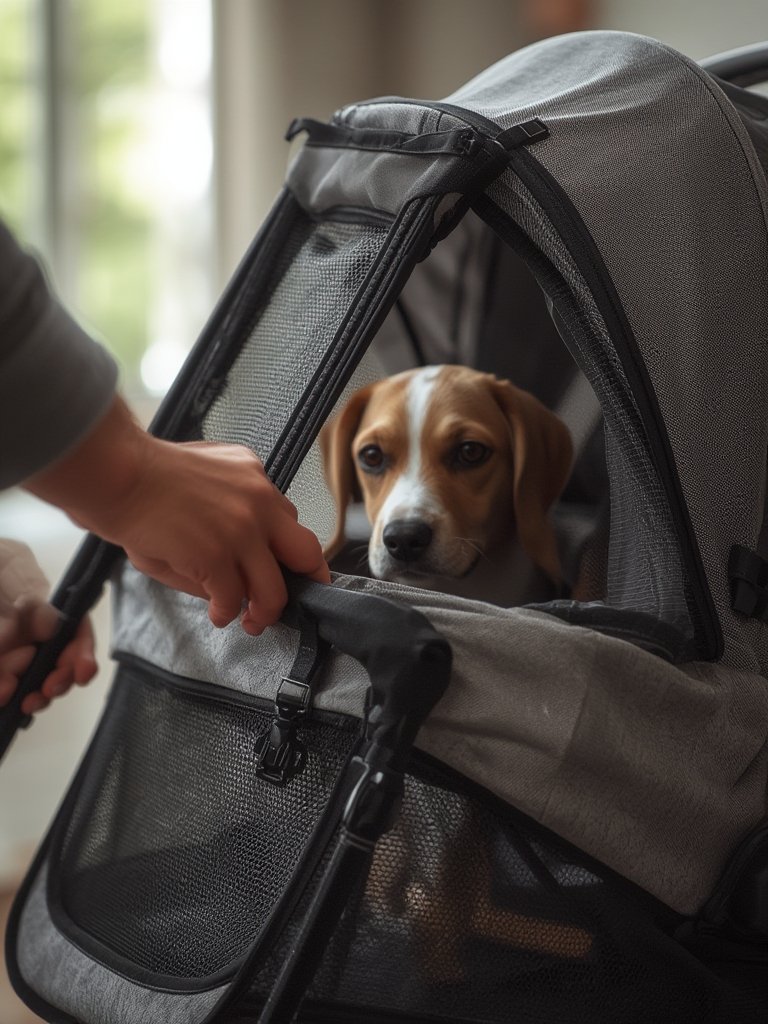
Many users prefer models with removable wheels and canopy for easier deep-cleaning and compact storage, especially for city apartments.
Step 4: Focus on Safety—Inside and Out
Insist on:
- Secure internal leash tethers that attach to a harness (never a collar)
- Reliable parking brakes—ideally hand brakes, especially if using on hills
- Reflective strips for night walks and mesh windows for ventilation
Step 5: Prioritize Dog & Human Comfort
Look for:
- Flat, padded cabin floor where your dog can fully stretch out
- Adjustable handlebar to suit walker height
- Easy front or back entry/exit—low sills or a ramp prevent joint strain
For dogs with chronic pain or joint issues, extra suspension and thick bedding can make a long stroll much more enjoyable.
Step 6: Anticipate Price and Maintenance Costs
Stroller prices can range from $80 for small, basic models to $700+ for luxury, heavy-duty strollers that manage 100 pounds or more. Factor in:
- Rain covers, orthopedic mats, sun shades, and replacement wheels as extra expenses
- Tire and fabric maintenance, especially if you use the stroller on rough or muddy terrain, or with elderly/incontinent dogs
For more ideas about keeping your pet’s environment clean and comfortable, check guides on automatic litter boxes and pet water fountains—many lessons from those categories apply to stroller cleaning and hygiene as well.
Advanced Analysis & Common Pitfalls
What Can Go Wrong? Real User Problems
- Wheel Failures: Plastic wheels can crack or wobble on uneven ground, especially under heavier dogs. Even some mid-priced models marketed as all-terrain don’t stand up to daily rough use.
- Frame Flex: Dog owners report frames flexing or even bending near max weight limits—especially on turns or trails.
- Cabin Size: Many strollers meet the weight limit but don’t offer enough cabin length or height for large or elderly dogs to lie flat, forcing them to hunch or poke their heads out.
- Turning & Maneuverability: Jogger-style strollers can have a wide turning radius and be tough to steer in stores or crowded sidewalks.
- Cleaning: Deep cleaning is often harder than advertised. Some “washable” fabrics shrink or are tricky to remove/reinstall, which is a real issue with incontinence or daily dirt.
- Suspension: True suspension is rare outside premium models. Dogs with fragile joints feel even moderate sidewalk bumps if the stroller uses only rigid foam wheels.
- No Industry-Wide Certification: There’s no ASTM-style pet stroller safety standard—buyers must judge quality by brand and reviews, not any “certified jogger” sticker.
Comparison Table: Typical Stroller Specs by Size
| Feature | Small Dog (up to 30lb) | Medium Dog (31-65lb) | Large Dog (66-100lb+) |
|---|---|---|---|
| Wheel Type | EVA foam, 4 wheels | EVA/PU foam or small air tires, 3 or 4 wheels | Large air-filled jogger wheels (10-12″), 3 wheel |
| Suspension | Minimal/none | Basic to moderate | True independent suspension (premium) |
| Cabin Size | 25-30″ L x 18-20″ W x 12-16″ H | 30-35″ L x 20-24″ W x 15-18″ H | 35-40″+ L x 24-28″ W x 15-20″ H |
| Price (USD, 2024) | $80-$150 (basic), to $300 (premium) | $150-$400 | $250-$700+ |
| Best For | Urban, travel, toy breeds | Mixed city/park, med breeds | Large/elderly/special needs, real trails |
For rough-terrain outdoor strollers, actually check specs like wheel diameter, axle width, and if the rain cover is included or extra—details matter for daily use.
Veterinarians also stress proper fit, interior support, and safety features over flashy accessories. If your dog has medical or anxiety needs, look for strollers with mesh ventilation and low entry for easy, stress-free loading. See also our deeper resources on orthopedic dog beds and dog enrichment toys for more mobility ideas.
For regulatory context, be aware that there are no global safety certifications specific to pet strollers. Reputable manufacturers simply apply consumer goods standards—see industry reports for confirmation.
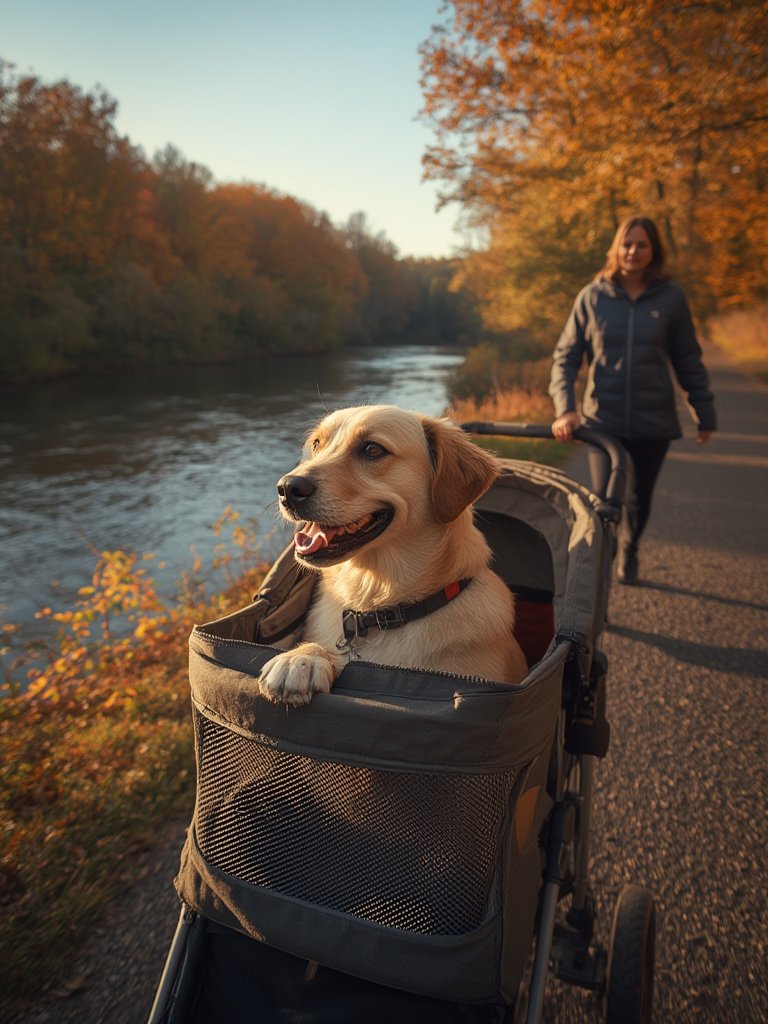
Finally, for daily use and clean-up, supplement your gear with a pet hair remover roller and reinforcing stain- and odor-resistant padding, especially if your dog is elderly or has incontinence issues.
Conclusion
The right pet stroller for dogs brings freedom, comfort, and safety to both pets and their owners. By focusing on real-world needs, quality construction, and long-term durability, it’s possible to avoid disappointment and keep your dog active for years. Ready to upgrade your adventures? Research the latest models, watch for verified specs, and don’t hesitate to seek advice from veterinarians—your furry friend will thank you.
Explore more pet gear solutions—from timed pet feeders to dog anxiety vests—and confidently find the best pet stroller for dogs for your household’s unique needs.
Frequently Asked Questions
Are pet strollers for dogs actually safe for large breeds or disabled pets?
Yes, as long as you choose a stroller with a high enough weight rating, a flat supportive cabin, and sturdy wheels with good suspension. Always secure your dog with internal harness tethers and use brakes on slopes or inclines.
Is a foldable stroller essential for city living?
Foldability makes it much easier to store the stroller in small apartments or cars. One-handed folding is especially helpful if you often go out solo with your dog or use public transport.
Do I need air-filled tires or will EVA foam wheels work?
For daily rough terrain, running, or heavier dogs, air-filled tires offer better shock absorption. EVA foam wheels require less maintenance and resist punctures but can be bumpy on uneven ground.
How do I clean a pet stroller after muddy walks or accidents?
Choose models with easily removable, machine-washable fabric. Spot clean the frame, use pet-safe detergents, and allow to air dry fully before storage. For tough stains, enzyme-based cleaners help with odor and sanitation.
Is there an official certification for pet jogging strollers?
No. Unlike baby strollers, there’s currently no widely recognized safety certification for pet strollers. Look for strong user reviews, proven brands, and key design features like wide brake-equipped wheels and internal leash tethers.