

An Indoor cat grass planter kit sis gaining popularity in 2024 as more cat owners look for natural ways to improve indoor pet enrichment. These convenient kits make growing fresh cat grass simple, but understanding how to use an indoor cat grass planter kit correctly helps ensure healthier plants and happier pets.
The growing interest in indoor gardening and pet wellness explains why the indoor cat grass planter kit category continues expanding quickly. Pet owners increasingly prefer solutions that support digestion, reduce boredom, and provide safe plant chewing alternatives without exposing cats to outdoor risks.
Key Takeaways
- Global demand for indoor cat grass planter kits topped $234 million in 2024, and all-in-one kits dominate the market for good reason.
- While these kits are easy to use, users often encounter issues like poor germination or inconsistent growth—tips and tricks make a difference.
- Scientific evidence on cat health benefits is limited, but most owners use these kits for safe enrichment and digestive support.
The Core Concept
An indoor cat grass planter kit is a self-contained system designed to grow edible grasses such as wheatgrass, oat grass, or barley inside your home. Most kits include seeds, planter trays, and growing medium, allowing pet owners to cultivate safe greens without advanced gardening skills.
One of the biggest advantages of an indoor cat grass planter kit is the ability to replicate natural grazing behavior indoors. Cats instinctively chew grass to support digestion and help manage hairballs. Indoor growing eliminates exposure to pesticides, parasites, or toxic outdoor plants, making it safer for apartment pets.
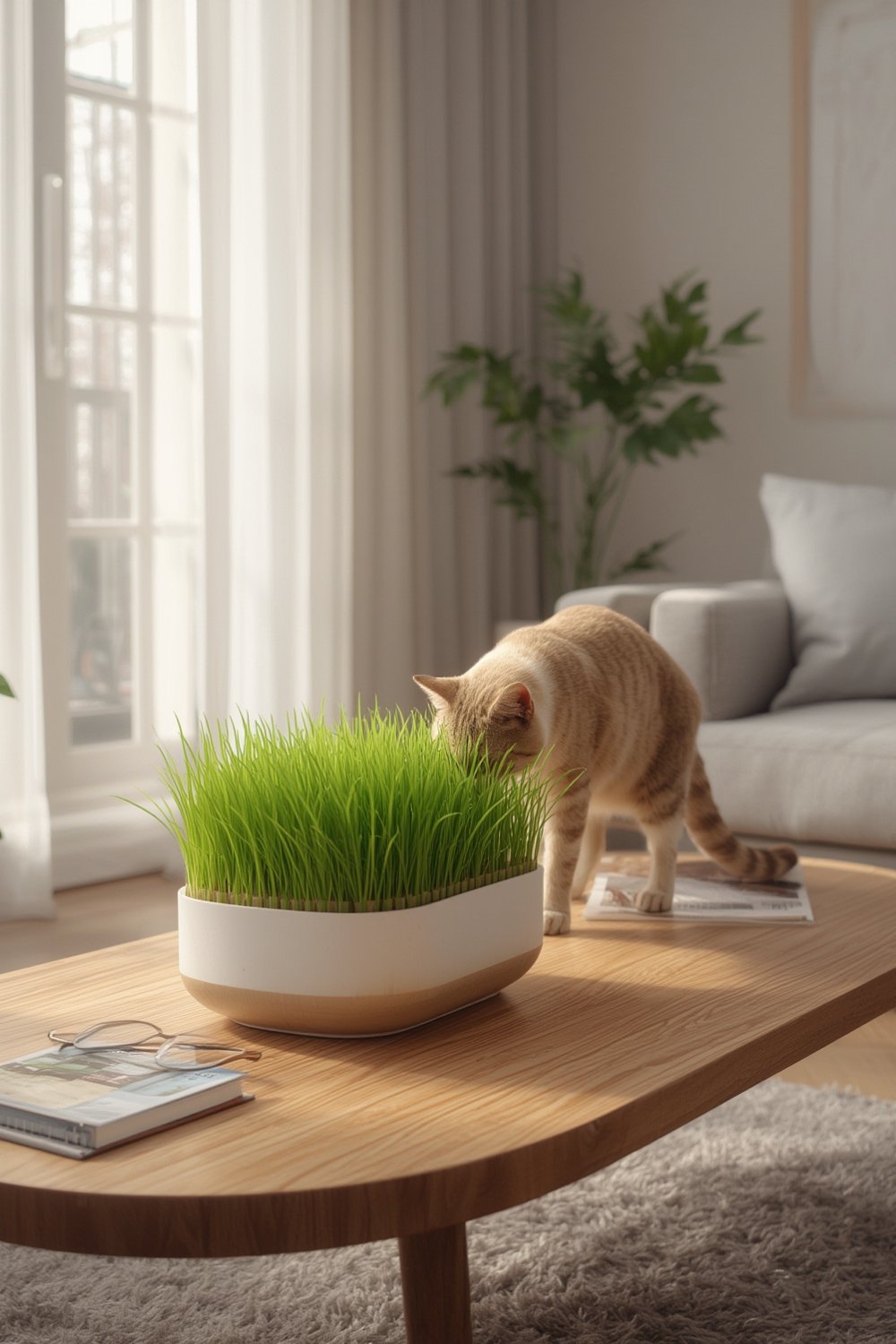
According to Growth Market Reports, cat grass kits were a $234.5 million global market in 2024 and are on pace to almost double by 2033. North America leads, with nearly 40% of global catnip/cat grass product sales attributed to health-conscious pet owners and a surge in DIY indoor gardening kits.
The main reason behind the surge? Convenience. All-in-one kits, packaging seeds, soil, and accessories together, now dominate Amazon’s bestsellers in this category (source). For those who already invest in automatic litter boxes or cat water fountains, these planter kits fit right into the trend toward low-maintenance, enrichment-focused pet care.
Step-by-Step Guide
Using an indoor cat grass planter kit correctly ensures consistent growth and reduces common problems such as mold or weak sprouts.
- Unpack the Kit and Inspect Contents. Make sure you have all the components. Most kits arrive with a reusable planter, a packet of seeds (often wheatgrass or oat), growing medium (soil, peat pellets, or coco coir), and clear instructions. There’s rarely any need for extra tools or fertilizers.
- Prepare the Growing Medium. Some kits use dry soil that expands with water; others use pre-moistened pellets. Fluff and moisten as directed, but don’t overdo it—standing water is a recipe for mold.
- Sow Seeds Appropriately. Spread seeds evenly in a single layer, lightly pressing them into the growing medium. If the kit’s seed quantity seems generous, start with half, as overcrowding hampers airflow and germination.
- Cover and Position. Most seeds germinate best when covered with a lid or light plastic wrap to create humidity. Place in indirect sunlight, not direct sun, for even warmth and moisture.
- Monitor and Water Sparingly. Check daily. Remove the cover once sprouts emerge (usually within 2–5 days). Mist when the surface feels dry, never letting it get soggy. Too much water attracts mold and fungus gnats.
- Allow Full Growth Before Offering. Let grass reach 3–5 inches before placing it in your cat’s reach. This usually takes 7–10 days. Rotate planters if you want a steady supply.
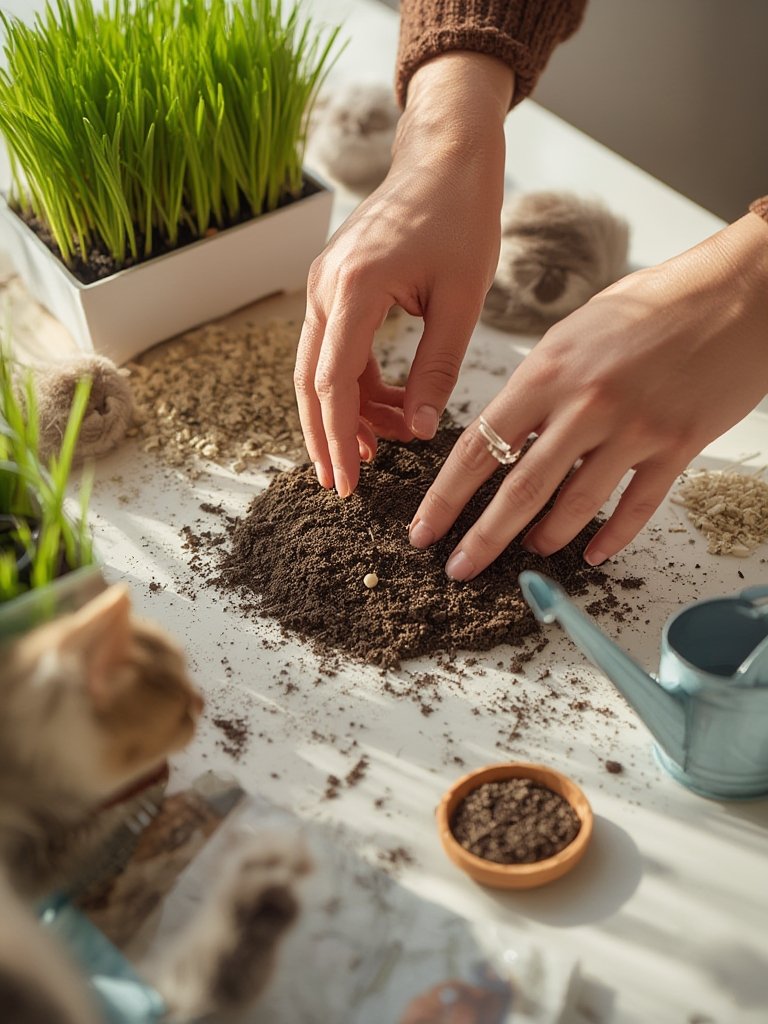
These steps work for most leading kits, including those from big names like Catit and Pet Greens. Some specialty planters use ceramic with built-in drainage or sustainable coconut fiber—be sure to reference your kit’s specific directions.
If you already have a vertical garden system, consider growing cat grass alongside your kitchen herbs for efficient use of light and water. And if pet enrichment is your thing, pairing this activity with puzzles or dog enrichment toys keeps your home lively for every species.
Advanced Analysis & Common Pitfalls
Even though reviews for indoor cat grass planter kits trend positively, real-world use highlights some recurring issues. Here’s what you’re likely to face—and how to sidestep them.
| Kit/Brand | Seed Type | Soil Medium | Organic Cert. | Notable Accessory |
|---|---|---|---|---|
| Catit | Likely wheatgrass | Soil pellet | Not specified | Reusable plastic planter |
| Pet Greens | Likely oat/wheatgrass | Coco coir blend | Not specified | Compostable tray |
| Etsy “fast growing” kit | Oat grass | Soil disk | Not specified | No accessories |
- Germination issues: Poor sprouting is most often due to overly wet or dry soil, stale seed packets, or crowded sowing. Always use fresh seeds, keep humidity balanced, and leave some seeds unsown for a second try.
- Mold and fungus: This is the number one complaint in online forums, even if official reviews downplay it. Never reuse soil gone moldy, and always sanitize reusable planters between cycles. Good airflow and not overwatering are key.
- Odor or gnat infestations: Overwatering or letting grass rot in the tray is a leading culprit. If you see gnats, let the surface soil dry out completely before the next mist. Some use a thin layer of sand as a natural deterrent.
- Pet safety: While cat grass itself is safe, avoid using any fertilizer or non-kit soil. If your cat chews obsessively and throws up frequently, moderate grass access. No scientific studies have confirmed risks, but moderation is best—if you want to know more, see this recent research summary.
Varieties and included accessories aren’t well-differentiated in major reports. Most Amazon kits bundle everything, but certifications (like “organic” or “non-GMO”) are rarely verified by a third party (source). Before buying premium, check whether your soil is reusable, the planter is dishwasher-safe, and the seeds are labeled with a recent harvest date.
Average kit costs aren’t published, but based on listings, expect to pay more for ceramic planters, larger seed packets, or organic claims. If your cat is picky about textures—or you have a multi-cat home—testing oat vs. wheatgrass mixes can improve results. For homes optimizing pet wellness, pairing this with a cat sofa or cat self-grooming brush can create an engaging pet environment.

Conclusion
Choosing the right indoor cat grass planter kit supports digestion, encourages natural behavior, and improves indoor enrichment for cats living exclusively indoors. Understanding watering balance, seed quality, and planter hygiene significantly improves long-term results.
A reliable indoor cat grass planter kit offers a practical way to provide safe greenery year-round while reducing reliance on outdoor plants that may contain chemicals or toxins. With proper care, most kits produce consistent growth cycles that support feline wellness naturally.
Ready to upgrade your indoor pet environment? Start with a high-quality indoor cat grass planter kit and combine it with solutions like smart pet feeders and enrichment toys to build a healthier, more engaging home for your cat.
FAQ Section
How long does it take for cat grass to grow?
Most cat grass kits germinate within 2–5 days, and the grass is ready for your cat in about 7–10 days. Growth rates depend on seed freshness, moisture, and room temperature.
Is wheatgrass or oat grass better for cats?
Both are safe and popular. Some cats prefer the texture of oat grass, while wheatgrass is common in starter kits. If your cat ignores one, try the other; neither is toxic.
Can I reuse the planter and soil in my kit?
The planter is often reusable with proper cleaning, but soil should be replaced (unless the kit specifically allows multiple cycles). Always discard any substrate that has grown mold.
Why did my cat grass turn yellow or die off quickly?
Yellow or dying grass is usually caused by overcrowding, overwatering, lack of light, or old seeds. Harvesting grass by cutting extends lifespan, while leaving it for constant grazing can wear it out faster.
Is indoor cat grass really beneficial for cats?
Most cat owners report improved digestion and satisfaction, but scientific evidence is limited. Use as an occasional treat, and let your cat’s preferences guide usage.
—