

Under slim cabinet range hoods options are redefining kitchen ventilation for homeowners with tight spaces, modern tastes, or remodel ambitions.
Key Takeaways
- Slim under cabinet range hoods are surging in demand due to space limitations and sleek design trends in modern kitchens.
- Energy efficiency and careful fit are critical—actual costs and specs often hide behind brand marketing.
- Genuine review data on noise, airflow, and durability is scarce, so buyers must scrutinize specs and compare installation challenges.
- What Is a Slim Under Cabinet Range Hood—and Why Buy One?
- How to Choose and Install a Slim Under Cabinet Range Hood
- Real-World Pitfalls: What Market Data Reveals
- Conclusion
- FAQ
What Is a Slim Under Cabinet Range Hood—and Why Buy One?
The under cabinet range hood slim category refers to ultra-low-profile vent hoods that fit discreetly beneath upper cabinets, saving space in galley kitchens or modern constructions with limited headroom. Unlike bulky traditional hoods, these units maximize cooking area, maintain cabinetry lines, and comply with growing air quality regulations across the US and globally. The latest market statistics show the subcategory’s value surging to USD 2.86 billion in 2024, part of a broader momentum as remodelers and new homeowners demand modular designs and efficient ventilation. Products like ROBAM’s ultra-slim 2024 models prove big players see sustained growth.
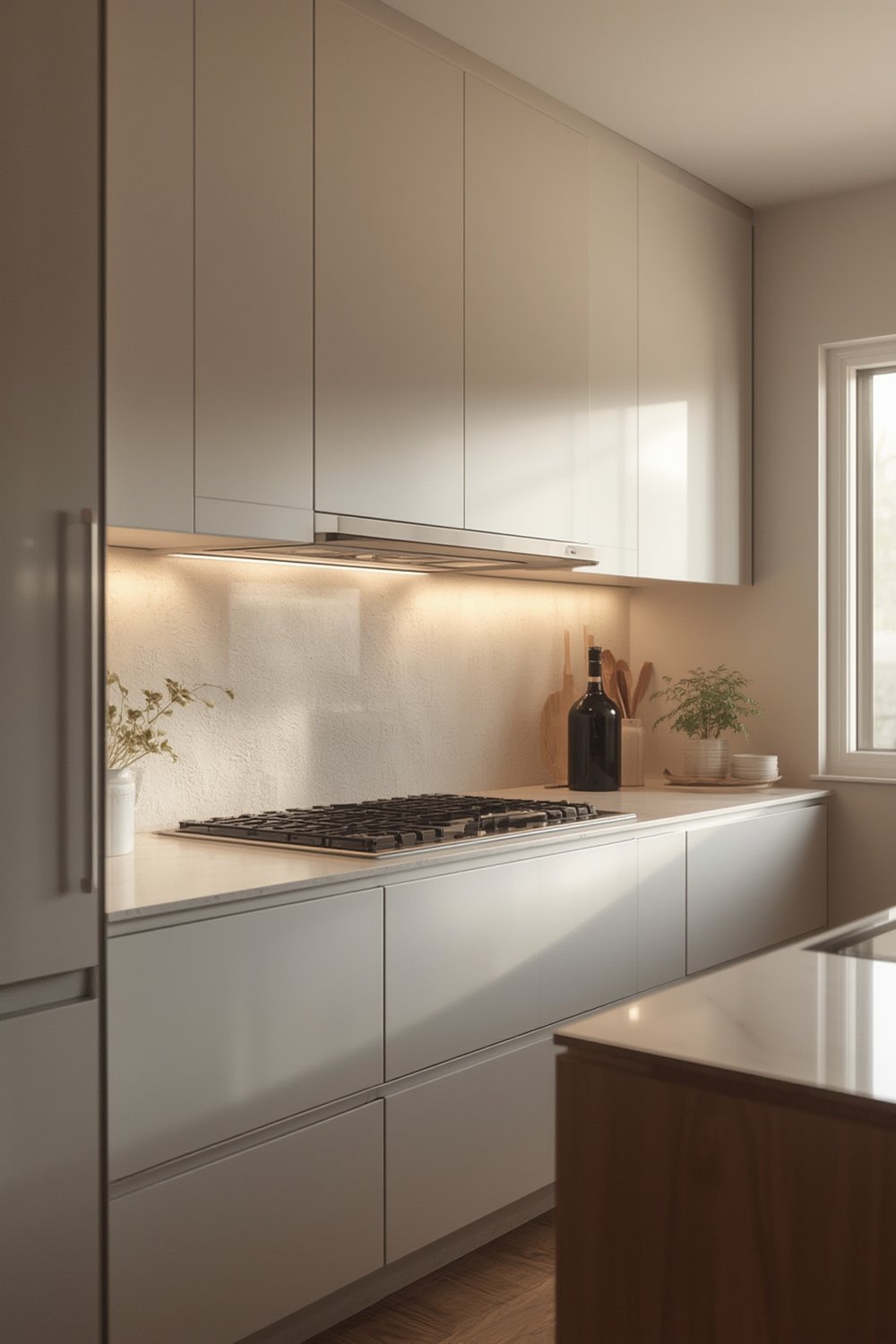
Why choose a slim under cabinet range hood? Their discreet installation keeps kitchen lines clean for open layouts or apartments where counterspace is precious. Another motivator is regulation—68% of residential installs are now driven by indoor air quality law compliance, with ENERGY STAR certified models advertising up to 70% less energy use (source). These hoods are helping Americans and global homeowners match both design goals and tightening standards.
How to Choose and Install a Slim Under Cabinet Range Hood
Selecting and mounting a slim under cabinet range hood is straightforward, but not foolproof. Here’s how to sidestep expensive mistakes and optimize kitchen airflow from day one.
- Measure Precisely: Unlike wall or island hoods, under cabinet units depend on your existing cabinetry. Measure the cabinet depth and height from hood location to cooking surface. Most manufacturers recommend 24-30 inches above burners for safety. Insufficient clearance risks performance.
- Check Duct vs. Ductless: Ducted models vent fumes outside for best results, but may require new ductwork or retrofitting. Ductless (recirculating) models are easy to install, yet less effective on heavy cooking. Research whether existing venting can be reused or upgraded—a key factor for older homes.
- Inspect CFM airflow rating: Airflow power is measured in CFM (cubic feet per minute). For small kitchens or apartments, 200–350 CFM suffices. Gas ranges and high-heat cooks should look for 400+ CFM. Do not fixate only on CFM—noise (dB), filter type, and speed settings matter just as much.
- Require ENERGY STAR Where Possible: Energy-efficient models can cut your hood’s power draw by 50–70%, adding up for avid home chefs or families. Confirm actual certification, not just marketing claims, especially for imports sold online.
- Confirm Minimum Cabinet Clearance: Consult manufacturer specs for minimum depth and width needed. Many slim models are less than 7 inches tall, but deep cabinets or edge details may interfere if installation is tight.
- Plan Electrical Access: Will a power outlet be hidden by the hood? Modern units often require a grounded plug within 29 inches. Hardwiring is rare on slim models but may be needed in older kitchens.
- Prepare for Installation: Use lag bolts in studs for security. Vent cover plates, adaptors, and included mounting templates make drilling easier, but always pre-assemble off-cabinet when possible. Recruit a second pair of hands to avoid dropped or dented hoods.
- Test and Adjust: Once mounted, review all airflow functions. Ensure charcoal filters or duct connections seat well to avoid performance loss or backdraft.
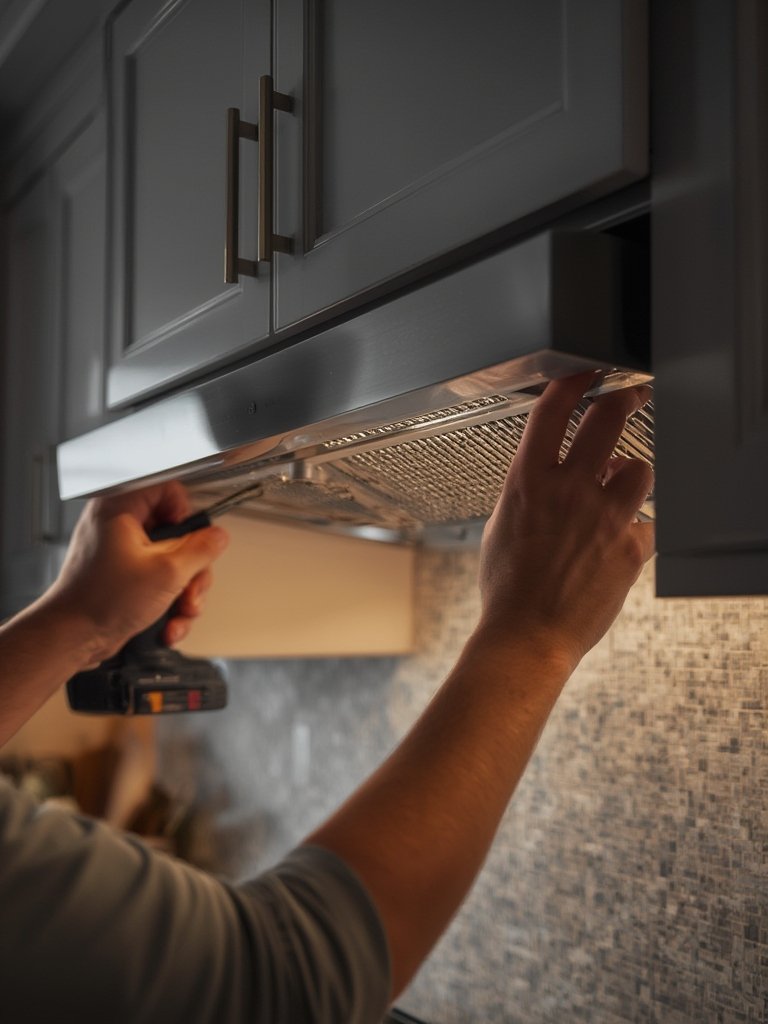
Throughout installation, don’t forget to allow for other slim kitchen organizers, such as a kitchen sink storage pull-out or a hidden cabinet trash system, to keep your minimal space truly organized.
Real-World Pitfalls: What Market Data Reveals
Actual consumer complaints about slim under cabinet range hoods are underreported, making it hard to benchmark noise, longevity, or efficiency. Still, market and industry data highlight clear pitfalls and features worth scrutiny.
| Feature | Slim Under Cabinet Hood | Traditional Full-Size Hood | Downdraft/Ceiling Alternative |
|---|---|---|---|
| Noise Level Data | Little published, varies by model; some ultra-slim units lack advanced insulation | Generally quieter at top speeds due to larger fans and space for insulation | Wide range, but ceiling fans often louder on high speeds |
| Performance (CFM) | Up to 400 CFM—usually adequate for 30″ and 36″ ranges | 500+ CFM common, but takes more space and energy | Comparable, but airflow is less targeted—especially for larger or open kitchens |
| Installation | Compact install, but demands precise measurement; support may be limited for old cabinets | Bulky; may require new framing or blocking | Complex; often requires professional installation and more building modification |
| Energy Use | Up to 70% less if ENERGY STAR certified | Less common to find certified models; more energy usage overall | Energy varies; downdraft systems often less efficient |
| Long-Term Maintenance | Smaller removable filters, easier on low use but may clog sooner under heavy use | Larger, often washable baffles; better for heavy or frequent cooking | Hidden components make cleaning tricky, filter access limited |
| Typical Issues | Fit problems, unclear CFM ratings, some cheap units vibrate or rattle | Higher install cost, bigger impact on kitchen design | Airflow obstructions, lower effectiveness on multi-burner ranges |
Further caution: Verified reviews rarely differentiate between ducted and ductless slim models—even though ductless units typically struggle with grease and smoke compared to vented options. Data from Grandview Research underscores recurring pain points for price-conscious buyers: mid-level units sometimes compromise on power to meet budget targets.
For ongoing kitchen organization, consider pairing your hood choice with small-space furniture strategies. For example, a vertical herb garden or space-saving table helps streamline compact kitchens while keeping air clear and surfaces uncluttered.

Conclusion
Slim under cabinet range hoods are designed for space-constrained kitchens, updated open layouts, and anyone prioritizing discreet design with functional air cleaning. While the market is booming and many ENERGY STAR hoods promise real savings, careful fit, verified certification, and a realistic understanding of noise and performance are essential before purchase. Pairing a under cabinet range hood slim with modular furniture and smart storage is a proven way to modernize any kitchen—even in the tightest quarters.
Ready to upgrade? Compare dimensions and power first, then invest in an efficient, well-fitted hood to future-proof your cooking space.
FAQ
What is the point of a slim under cabinet range hood?
It offers essential air filtration and smoke extraction in kitchens where space is tight and design lines must stay minimal—without requiring bulky vents or sacrificing cabinet space.
How loud are slim under cabinet range hoods?
Noise varies widely by model and speed, though actual decibel ratings are rarely well documented. Generally, expect similar noise to bathroom exhaust fans on high, but read specs and look for user feedback before buying.
Can you install a slim range hood yourself?
Most ducted and ductless slim range hoods are designed for DIY installation if you can use basic tools and follow instructions. Hiring a pro is smart if new vents or wiring are needed.
Are ductless slim range hoods effective?
Ductless units can trap grease and some odors but do not remove moisture or all airborne particulates. Ducted models vent more thoroughly, especially for heavy or frequent cooking.
What key specs matter most for buying?
Cabinet fit (depth/height), CFM airflow rating, noise (dB), duct compatibility, and real ENERGY STAR certification drive performance and satisfaction long term.