

Outdoor pizza oven wood fired portable models are turning backyards and patios into authentic pizzerias, delivering wood charred flavor without permanent installation. Recent growth in the outdoor pizza oven market shows why portable, wood fired units are topping wish lists for anyone craving quick, crispy pizzas at home.
Key Takeaways
- Outdoor pizza oven wood fired portable sales are rapidly growing globally, driven by backyard cooking and social trends.
- Portable wood fired ovens offer authentic pizza flavor but require attention to fuel, heat management, and safety.
- Understanding oven specs, costs, and legal considerations ensures you get the right pizza oven for your space and needs.
The Core Concept: What Makes an Outdoor Pizza Oven Wood Fired Portable Special?
An outdoor pizza oven wood fired portable combines tradition with flexibility, letting you create genuine pizza flavors from real burning wood—no brick oven or construction required. This category has exploded, with the global market for pizza ovens hitting USD 2.5 billion in 2024. Over half this revenue is from wood-fired ovens, and the portable segment is experiencing a Compound Annual Growth Rate (CAGR) over 6 percent. With brands like Ooni, Gozney, and Alfa launching models that transfer easily between backyards and tailgates, wood fired portability is running the show.
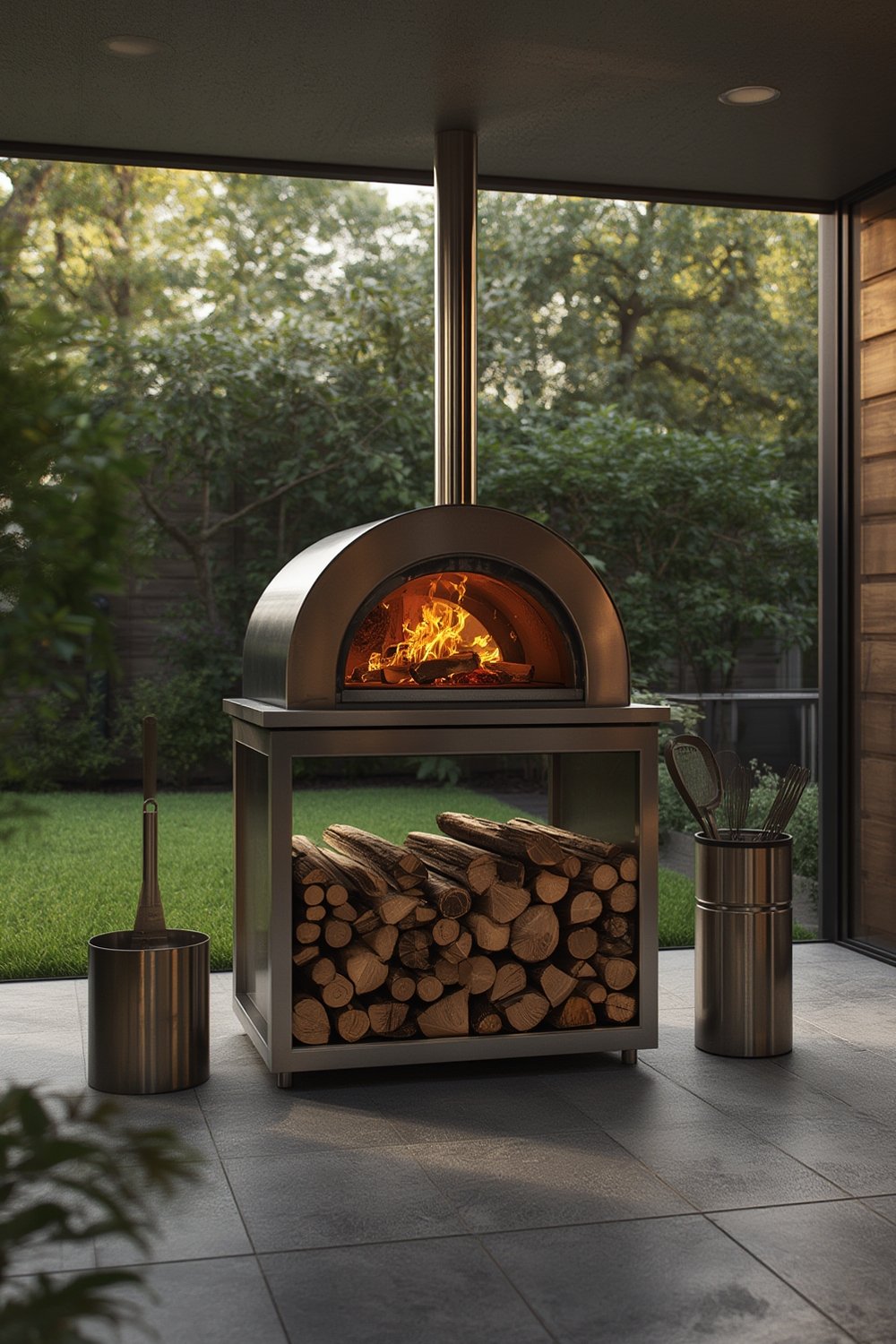
True wood-fired portables give you crispy crusts, a smoky bite, and pies done in a minute or two, even in small outdoor spaces. Compared to built-in ovens, they cost less, set up faster, and bring the party anywhere—no contractor necessary.
Step-by-Step Guide: How to Choose, Set Up, and Get the Most from Your Wood Fired Portable Pizza Oven
Choosing the right outdoor pizza oven wood fired portable model comes down to intended use, available space, budget, and attitude toward maintenance. Here’s a direct, actionable approach to making your pizza nights a success.
- Pick the Right Model
Focus on ovens from established brands like Ooni or Gozney, whose designs balance portability and authentic heat. Check for models with proven portable wood fired ovens capability—some offer dual fuel (wood and gas) for flexibility. There’s a trend toward digital temperature displays and quick preheat; for example, the Gozney Arc reaches 950°F in 60 seconds (source). - Evaluate Size and Weight
Avoid units over 50 pounds if you plan to move it frequently. Compact footprints let you set up in tighter outdoor nooks or bring it camping. Verify oven dimensions so you know it fits your available space—look for collapsible legs or handles for true portability. - Master Heat-Up and Temperature Control
Most portables go beyond 800°F, but maintaining steady heat inside thin-walled ovens demands some practice. Feed small, dry hardwood splits every 10–15 minutes for consistent flames. Don’t overload; steady, modest fuel use is most efficient for quick-crust, Neapolitan-style results. - Plan for Fuel and Accessories
Stock kiln-dried wood or wood pellets safe for cooking. Budget for accessories—infrared thermometers, pizza turning peels, and stones—since most portables only include basic gear. Check out multi-burner or insulated models if you want to avoid frequent refueling mid-party. - Safe Setup and Maintenance
Place ovens on noncombustible surfaces, never directly on grass or wood decks. Keep a fire extinguisher or water source nearby. Clean ash and soot regularly—don’t let buildup affect flavor or fire flow. Watch local emissions ordinances, especially if you’re urban or in a wildfire risk area. - Experiment and Refine
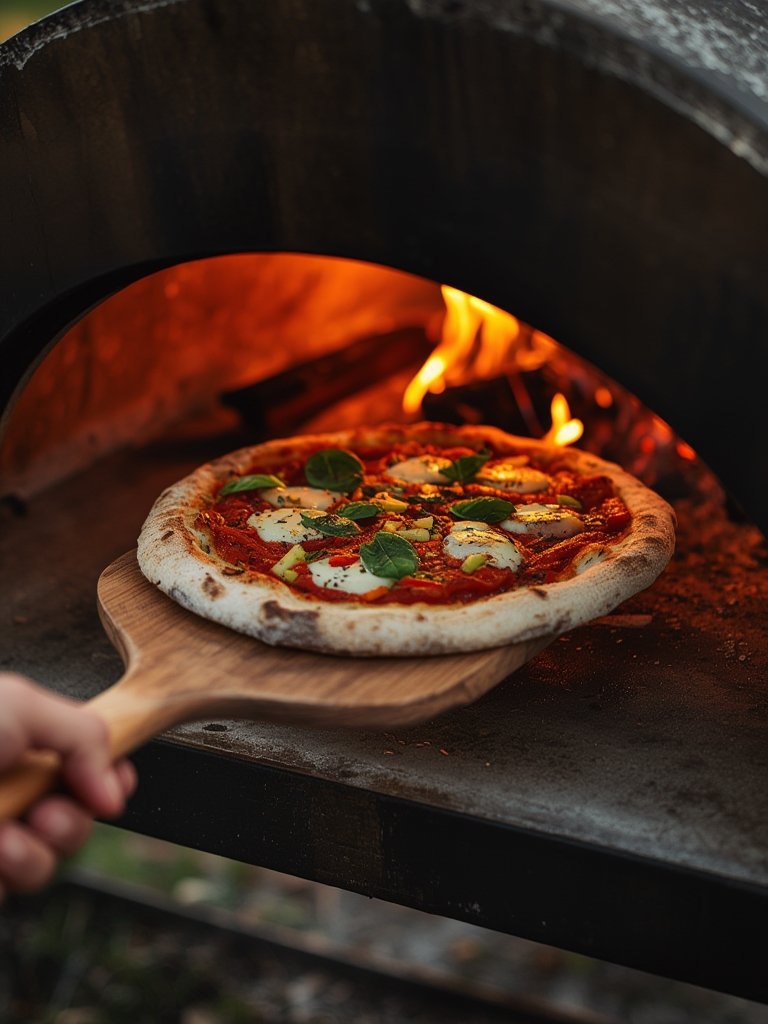
Track your results: oven temps, wood type, pizza placement, and bake time. Adjust as you go. Many owners find their best pies after four or five sessions as they dial in dough hydration, shaping speed, and fire management for their specific oven.
For gear storage, weather protection, and maximizing your outdoor space, see our reviews of lockable patio storage cabinets and outdoor resin sheds.
Advanced Analysis & Common Pitfalls with Outdoor Pizza Oven Wood Fired Portable Units
Portable wood fired ovens promise authentic taste, but real-world use brings both rewards and snags. Here’s what the research shows—plus a practical side-by-side feature comparison.
- Heat Retention: Most portable units sacrifice insulation and mass for lightness. That means faster heat-up but trickier heat retention, especially for back-to-back pizzas at parties.
- Mobility vs. Stability: Lightweight designs are easier to move but can be unstable in wind. Always check level and wind exposure before firing up.
- Fuel and Maintenance: Portable units use more wood per pizza batch than heavy built-ins. Ash must be removed often; soot can affect next-day flavor. Wood storage and local ordinances (air quality, emissions) may apply. Review regulatory considerations before buying.
- Assembly and Durability: Most units need home assembly—expect bolts, legs, and sometimes a learning curve. Thinner metals may show rust or wear sooner than permanent ovens.
| Feature | Portable Wood Fired Oven | Traditional Built-In Oven |
|---|---|---|
| Setup | Fast, minimal tools, ready in minutes | Requires professional install, construction time |
| Heat-Up Time | 30-90 seconds for compact models | 30–60 minutes |
| Maximum Temp | 800–950°F (approximate) | 800–1000°F |
| Weight | Under 50 pounds, portable | Hundreds of pounds, fixed location |
| Cost (typical range) | $250–$800 plus fuel, accessories | $2000+, requires site prep |
| Flavor | Excellent, though uneven heat possible with wind/fuel | Authentic, more consistent thermal mass |
| Environmental Regulations | Subject to emissions, may be restricted in urban settings | Same; plus zoning for permanent structures |
| Maintenance | Frequent ash and soot cleanup required | Occasional deep cleaning; less flexible |
If you want to organize tools and keep your outdoor space safe while using your oven, check out our guides on garage storage systems and vertical garden systems for maximizing limited space.
Few competitor articles discuss long-term replacement cycles, proper ventilation (critical in apartments or city patios), or navigating local emission rules—yet these factors can catch users by surprise and affect performance and legality (source).
For an urban-friendly upgrade or cleaner backyard option, see our comparison of smokeless fire pits and other emission-reducing outdoor heat appliances.
Conclusion
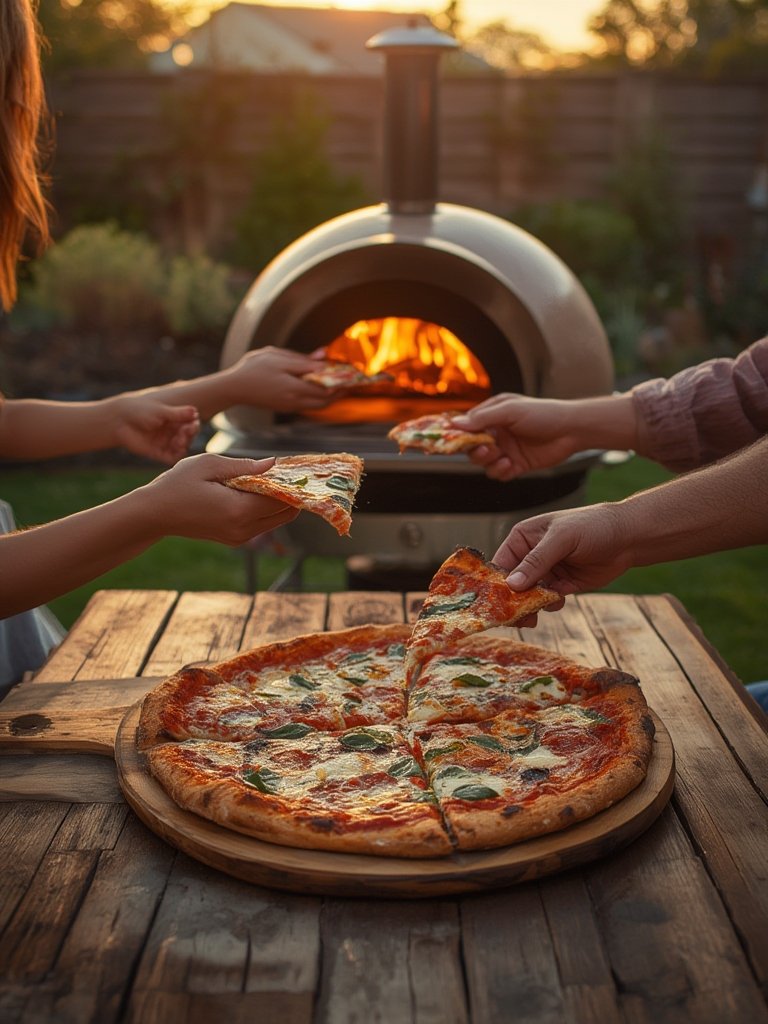
Portable wood fired pizza ovens unlock artisan flavor with less commitment and more freedom. Be aware of fuel needs, possible local restrictions, and a learning curve. With realistic expectations and some trial and error, your outdoor pizza oven wood fired portable can transform meals at home, at friends’ houses, or while traveling. Ready to get started? Compare new portable models, prep your space, and bring homemade pizzeria nights to your backyard.
FAQ Section
How hot do outdoor pizza oven wood fired portable models get?
Most quality models can reach between 800 and 950 degrees Fahrenheit—hot enough for Neapolitan pizzas in 90 seconds or less.
Can I use my portable wood fired oven on a wooden deck or balcony?
It’s not recommended. Always use a heatproof surface and check for local fire regulations. Some urban areas may ban wood burning outdoors.
How much wood do I need for one pizza party?
Expect to use about 2 to 4 pounds of dry hardwood per hour, depending on oven size and outdoor conditions. Always keep extra wood for maintaining the right temperature batch after batch.
How do portable ovens compare to gas pizza ovens for maintenance?
Wood fired ovens require regular ash and soot cleanup and more frequent inspections. For lower maintenance, gas ovens are generally easier to keep clean.
Are there any certifications to look for in a wood fired portable pizza oven?
Look for third-party food safety or energy efficiency marks and verify local emission compliance, especially in metro areas. Always read the manual for any unique safety advice for your model.
—