

Heavy duty retractable awning manual systems are a reliable, hands-on way to add instant shade and protection to your outdoor space without depending on electricity or motors. If you’re considering one for your patio, deck, or storefront, understanding exactly what goes into choosing, installing, and caring for these awnings can save you time, money, and frustration—especially as market growth and outdoor living trends accelerate into 2024.
Key Takeaways
- Heavy duty retractable awning manual models remain popular with budget buyers, even as motorized solutions grow faster.
- Installation, maintenance, and user-friendliness can be challenging—knowing common pitfalls will help you avoid regret.
- Material, wind resistance, and manufacturer support vary widely; details matter for long-term durability and value.
- Understanding Heavy Duty Manual Retractable Awnings
- How to Select, Install, and Use a Heavy Duty Retractable Awning Manual System
- Advanced Considerations and Common Pitfalls
- Conclusion
- FAQ
Understanding Heavy Duty Manual Retractable Awnings
Manual retractable awnings use a simple hand-crank or gear system that allows you to extend or retract the canopy whenever you need shade or weather protection. Unlike motorized models, these awnings don’t require wiring, remote controls, or connections to smart home systems. Their main appeal is durability, straightforward reliability, and usually a lower price point. In 2024, the global retractable awnings market—manual included—is worth up to $7.8 billion, with North America accounting for 35% of sales due to rising renovations and outdoor living investments. Source.
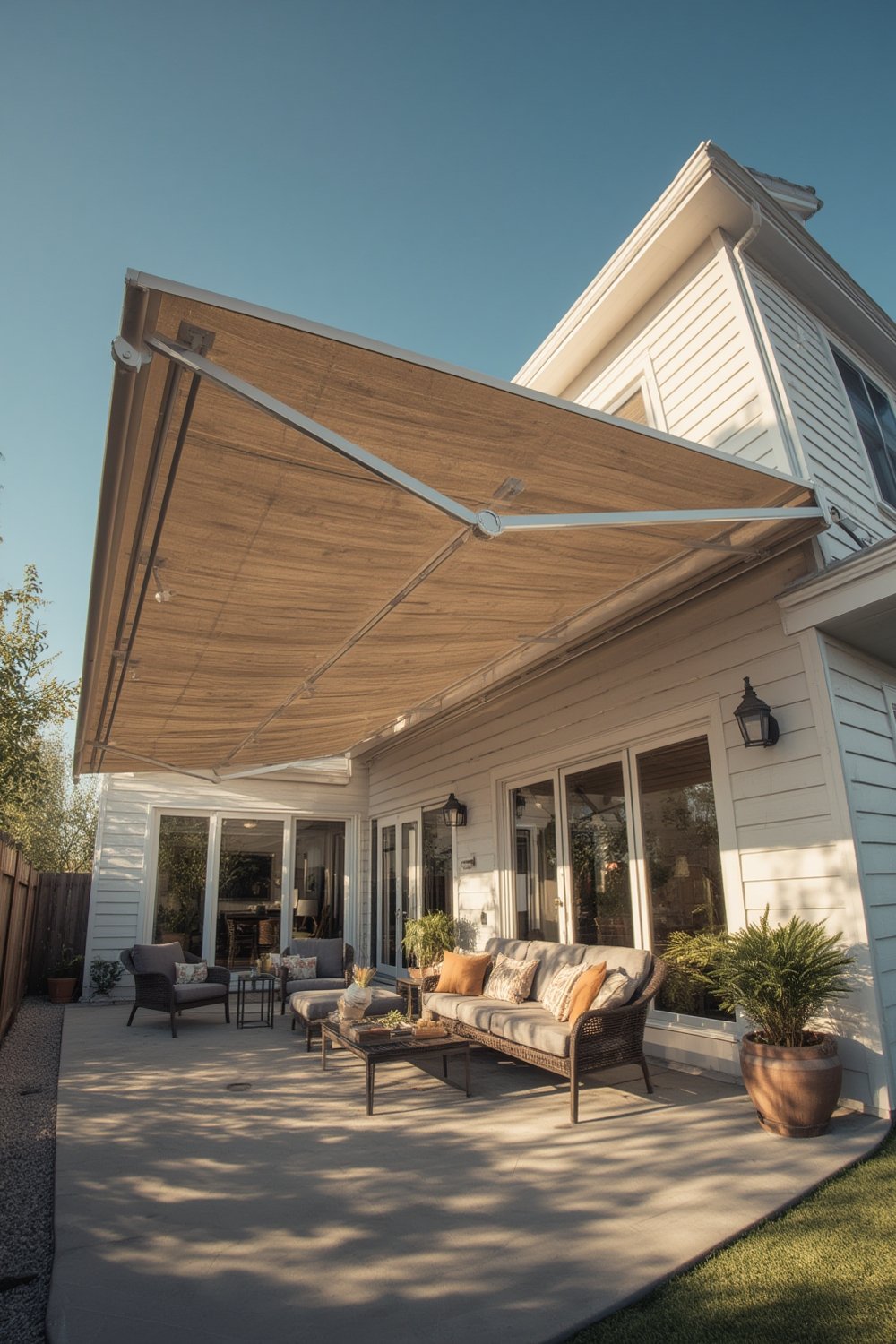
For homeowners, small businesses, or renters aiming to maximize comfort outside, heavy duty manual awnings bring significant shade, protection from light rain, and help cool adjacent indoors. While the manual mechanism means a little elbow grease, the tradeoff is fewer parts that can fail and more control over when and how you use your awning.
Because these systems are exposed to the elements year-round, it’s vital to understand core features like fabric type (acrylic, polyester, canvas), frame material (aluminum, steel), mounting requirements, and wind resistance before buying. Unlike lightweight retractable garden hose reels (see our guide), a full-size heavy duty retractable awning manual setup weighs far more and must be securely anchored to avoid hazards in storms or high winds.
Want more tips for optimizing your backyard? Explore privacy upgrades like vinyl privacy fence panels or boost curb appeal with solar garden lights.
How to Select, Install, and Use a Heavy Duty Retractable Awning Manual System
Before you purchase or start installation, work through these practical steps to ensure your investment pays off for years:
1. Choose the Right Size and Specs
- Decide on coverage area: Awning width should be slightly wider than the door, patio, or deck you want to shade. Typical widths run from 8 to 20 feet.
- Consider projection depth: This is how far the awning extends out. For full table coverage, 8-10 feet is standard.
- Check your mounting surface: Brick and concrete are best for heavy duty; wood framing is common for residential installs but must be structurally sound.
2. Evaluate Materials and Longevity
- Frame: Powder-coated aluminum is lightweight, highly rust-resistant, and the industry standard. Some premium models use galvanized or stainless steel for extra ruggedness.
- Fabric: Solution-dyed acrylic resists fading and mildew best, while polyester is usually lower cost but less durable over time.
- Wind ratings: Look for published wind resistance—true heavy duty models are tested in winds from 20 to 35 mph, but always retract if storms are forecast.
3. Plan for Installation and Manpower
- DIY vs professional: Most kits include anchors, brackets, and instructions for two-adult installation. Pros will charge $300-$800+ for large, tricky, or second-story setups (see market data).
- Check for obstructions: Ensure at least 8 feet ground clearance and nothing blocking the arm path when fully extended or retracted.
- Test-fit before final drilling: Temporarily set brackets with clamps to preview angle and slope, avoiding mistakes.
4. Assembly and Mounting
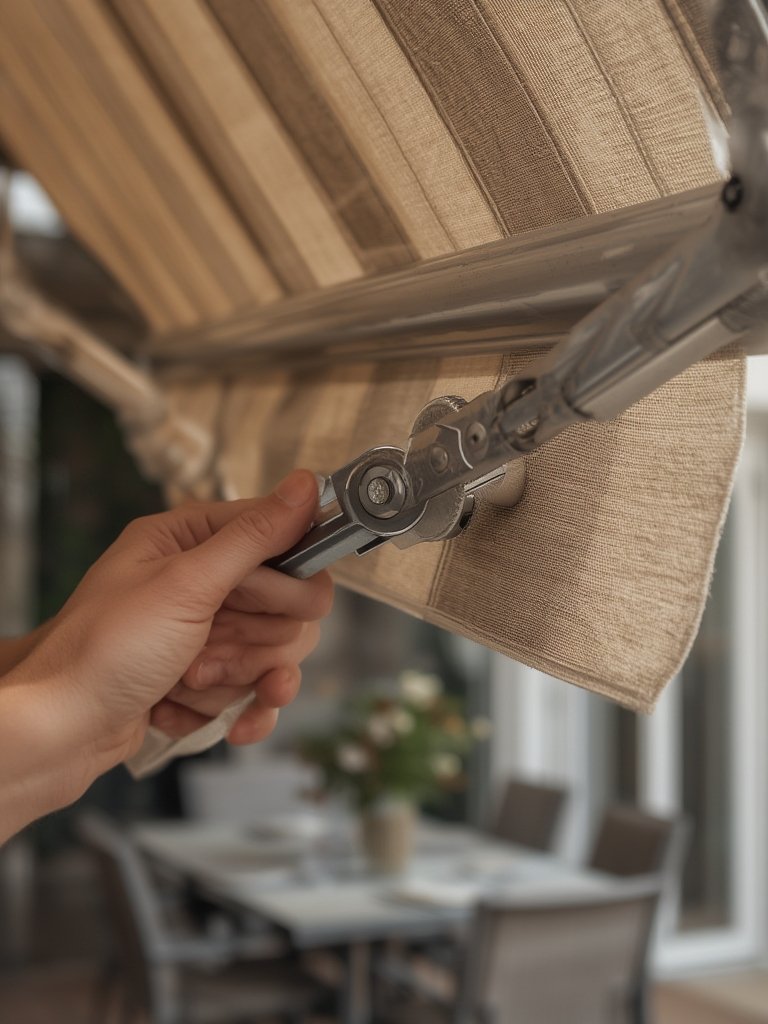
- Mount brackets using heavy-duty masonry or lag bolts as specified in the manual—don’t substitute lighter hardware. This prevents wall damage in wind.
- With help, lift the awning frame into place, secure all bolts, and test crank extension before final tightening.
- Check for level both side-to-side and front-to-back to ensure rain will run off, not pool.
5. Operation & Seasonal Care
- Retract awning in storms. Manual units require turning the crank multiple times—don’t force if there’s resistance or binding.
- Brush off leaves, debris, and rinse fabric occasionally with clean with mild soap and water. Avoid pressure washers.
- Before winter or long-term non-use, fully retract and cover the awning if possible.
Looking for other weatherproof upgrades? Explore outdoor resin storage sheds or reduce yard maintenance with artificial grass turf.
Advanced Considerations and Common Pitfalls
Manual awnings, despite their simplicity, come with important tradeoffs and are not always “set and forget.” Here’s what to anticipate:
Market Trends and Affordability
The global awning industry continues its upward trend, estimated at $7.8 billion in 2024 and rising to $11.6 billion by 2030 (source). Still, 35% of buyers at all price points cite cost as a hurdle—including for heavy duty manual models, especially once professional installation and shipping are included.
Common Issues Users Report
- Challenging Installation: Lack of clear instructions, missing hardware, or difficult mounting locations lead to frustration.
- Manual Force Needed: Large or extra-heavy awnings require considerable effort to operate, especially for those with limited strength.
- Durability Concerns: Inferior fabric or unprotected metal parts can fade, tear, or rust within just a couple of seasons.
- Poor Wind Handling: Even top models should always be retracted during winds over 20-25 mph.
- Scarcity of Replacement Parts: Some brands don’t clearly list replacement fabrics or hardware, creating headaches for DIY repairs.
| Feature | Manual Heavy Duty | Motorized Awning |
|---|---|---|
| Price Range | $400–$1500 | $800–$3000+ |
| Installation | DIY-Friendly (with 2 adults) | Often requires pro electrician |
| Wind Resistance | 15–35 mph (must retract in storms) | Comparable, with auto sensors |
| Replacement Parts | Varies; not always listed or supported | Usually better documented |
| Maintenance | Manual cleaning/protection needed | Same; electronics add complexity |
Warranty and Support Limitations
Major brands don’t always publish warranty details or replacement part policies for heavy duty manual models, which can complicate claims or repairs. Before buying, ask the seller about fabric warranty (often 3–5 years), frame warranty, and after-sale support.
For buyers seeking lasting utility, also consider technical innovations. While recent advances target motorized and automated models with wind sensors or eco-fabrics (see latest reports), heavy duty manual options now sometimes include Teflon-coated fabrics or UV-resistant frames—but less emphasis on automation.
Realistic Limitations
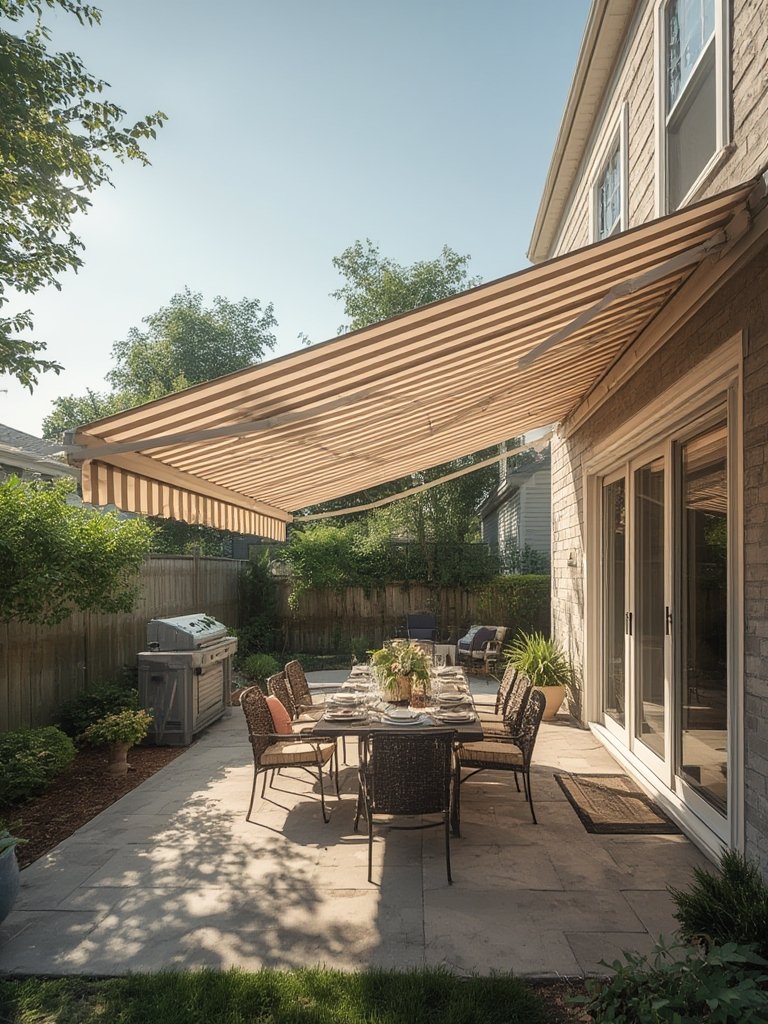
Manual awnings are less convenient than electric units for daily or elderly users and are not fully “set and forget.” Homeowners in very windy regions or those who want smart-home integration may be better served by other options.
Your awning is an investment—protect it by retracting in storms, maintaining hardware, and ensuring you understand warranty coverage from the start. Want more low-maintenance outdoor upgrades? Read about smokeless fire pits or DIY pergola kits.
Conclusion
Choosing a heavy duty retractable awning manual system is a practical, budget-conscious way to enjoy more comfort and shade outdoors—if you plan ahead and know the tradeoffs. Take careful measurements, prioritize strong materials, and research after-sale support before buying. For long-term patio enjoyment, install with care and retract your awning in rough weather. Ready to upgrade your outdoor space? Explore our home improvement guides or browse top-rated awning kits from trusted suppliers now!
FAQ
How much does a heavy duty retractable awning manual install cost?
Prices for a DIY retractable awning manual kit can range $400–$1500, depending on size and material. Professional installation adds $300–$800+, especially for large spans or non-standard surfaces. Shipping varies with weight and vendor.
What materials should I look for in a long-lasting manual awning?
For best longevity, choose powder-coated aluminum or stainless steel frames and solution-dyed acrylic fabric. These resist weather, rust, and UV damage better than budget alternatives.
Can manual awnings withstand high winds?
Manual awnings rated “heavy duty” can handle 15-35 mph winds when properly installed but must be fully retracted during storms or strong gusts to prevent damage.
What are typical warranty and support policies?
Warranties vary widely. Some brands offer 3–5 years on fabric and frame, but replacement part policies are not always clear. Always check details before buying or installing.
How do I maintain my retractable manual awning for longevity?
Brush off debris, clean with mild soap and water, lubricate moving parts annually, and always retract the awning in bad weather or when not in use for extended periods.