

Outdoor storage cabinet waterproof solutions are now a must-have for anyone needing reliable and weatherproof organization outside. This guide explains exactly what makes a cabinet truly waterproof, how to choose the right one, problems to avoid, and how to get real value for your money.
Key Takeaways
- Not all outdoor cabinets labeled as “waterproof” are created equal—understand the difference between waterproof, water-resistant, and weatherproof.
- Material choice (resin, metal, or wood) impacts maintenance needs, longevity, and value for money.
- Common pain points include leaking, rust, rot, and local zoning regulations—do your homework before you buy.
- The Core Concept: What Is a Waterproof Outdoor Storage Cabinet and Why Does It Matter?
- Step-by-Step Guide: How to Choose a True Outdoor Storage Cabinet Waterproof Solution
- Advanced Analysis & Common Pitfalls
- Conclusion
- FAQ Section
The Core Concept: What Is a Waterproof Outdoor Storage Cabinet and Why Does It Matter?
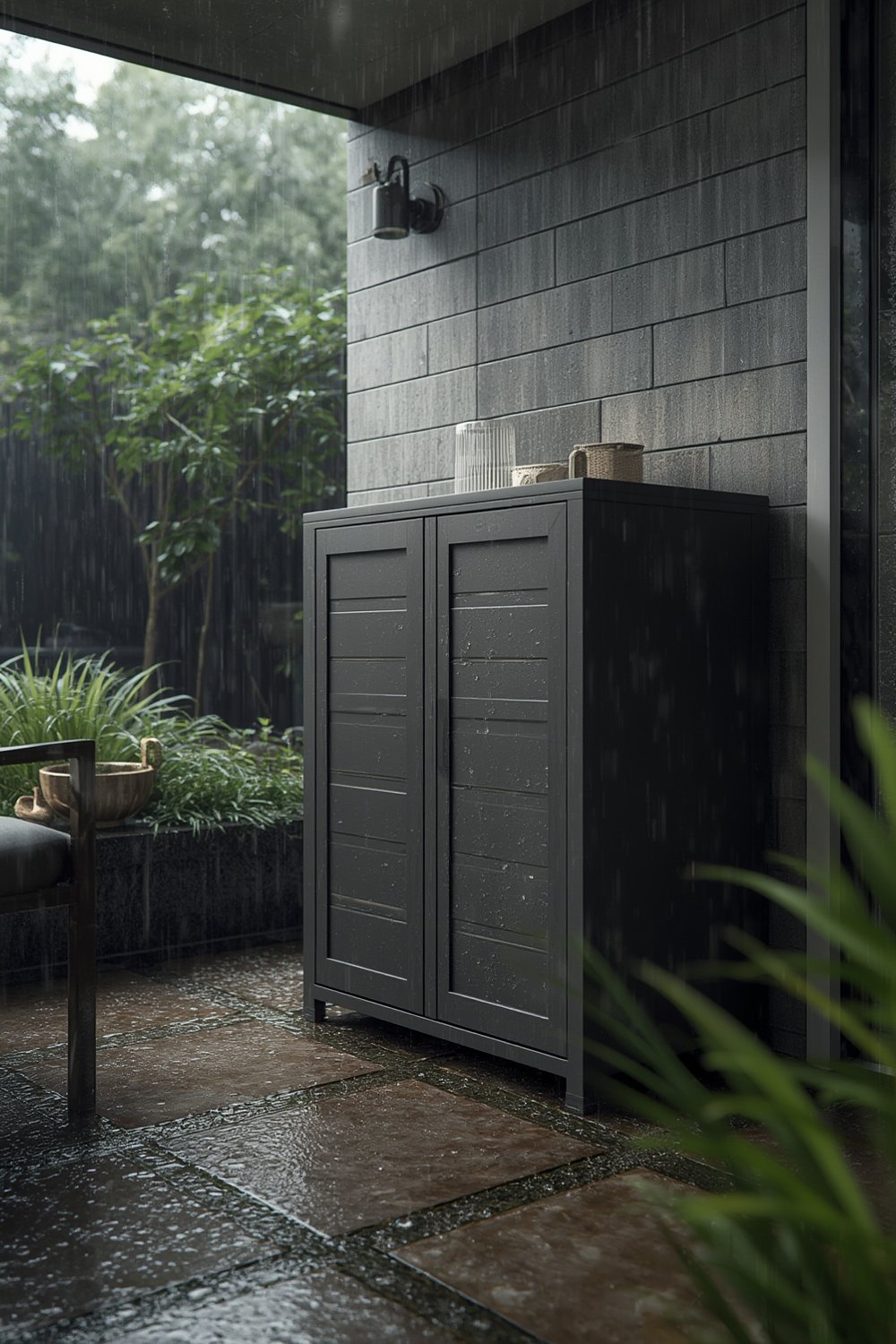
A waterproof outdoor storage cabinet is specifically designed to protect your belongings from rain, snow, and humidity year-round. Unlike typical patio furniture or generic garden storage, a true waterproof cabinet uses moisture barriers, sealed seams, and water-blocking construction to ensure the inside stays dry—even after heavy storms. With over 64% of homeowners now designing multifunctional outdoor spaces (source), keeping tools, cushions, or pet supplies protected from the elements matters more than ever.
Step-by-Step Guide: How to Choose a True Outdoor Storage Cabinet Waterproof Solution
- Define Placement and Measure Your Space
Before you shop, check your intended location for sunlight, water exposure, and footing. Measure dimensions carefully—it’s not just about fitting the cabinet but also complying with HOA or local zoning. Regulatory rules may restrict sizes or placements (see details). - Understand Waterproof vs. Water-Resistant Labels
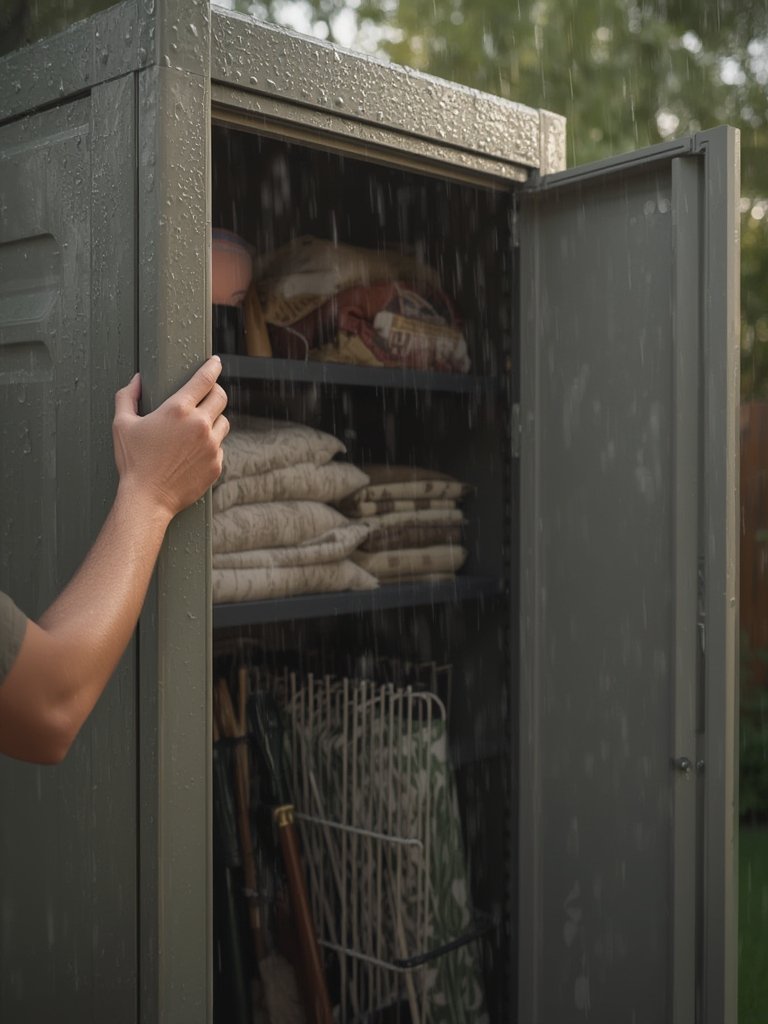
Water-resistant may only keep out light splashes or drizzle, while waterproof cabinets use sealed doors, molded resin or gasketed steel to block heavy rain. Look for terms like “sealed construction” or “moisture barrier.” These advancements can reduce maintenance by up to 20% over time (industry source). - Compare Outdoor Cabinet Materials
- Resin/Plastic: Rustproof, doesn’t rot, usually best at keeping water out. Minimal upkeep. Dominates US markets (market data).
- Steel/Metal: Very secure. Look for powder-coated or zinc coating. Cheap steel can rust at seams over time if not maintained.
- Wood: Matches backyard décor best, but can swell or rot without constant sealing. Needs regular inspection for leaks.
For a deep-dive on resin sheds specifically, check our dedicated outdoor storage shed resin guide.
- Inspect Design and Locking Features
Does the lid or doors have a full-perimeter seal or gasket? Can the hinges and hasps withstand repeated use? Is there a secure padlock latch or upgraded smart lock feature (trend source)? Better locking avoids wildlife or theft. - Assess Warranty, Brand Reputation, and Reviews for Leaks
Look beyond marketing claims. Scan for negative reviews focused on leaking, warping, or fastener failures. Also check for warranty claim data to gauge real-world durability. - Calculate Cost of Ownership
Don’t judge by list price alone. Factor in required annual sealing, repainting, or replacement for wood and steel variants. Plastic (resin) is often lowest cost over ten years despite a higher upfront cost.
For more inspiration on optimizing small spaces and durable outdoor furniture, see our guides to outdoor modular furniture and vertical garden systems.
Advanced Analysis & Common Pitfalls
Even top-rated outdoor storage cabinet waterproof models can have issues. Based on industry research and user trends, here are realistic failure points to watch for:
- Labels vs. Reality: Some “waterproof” cabinets leak at hinges and corners after a year outdoors, especially when sun exposure warps doors.
- Cheap Metals: Thin steel without proper coatings starts rusting at hidden seams, especially in humid climates.
- Wood Rot: Even pressure-treated wood can swell and split along edges if you slack on resealing—this is a common pitfall for homeowners who want a natural look with minimal upkeep.
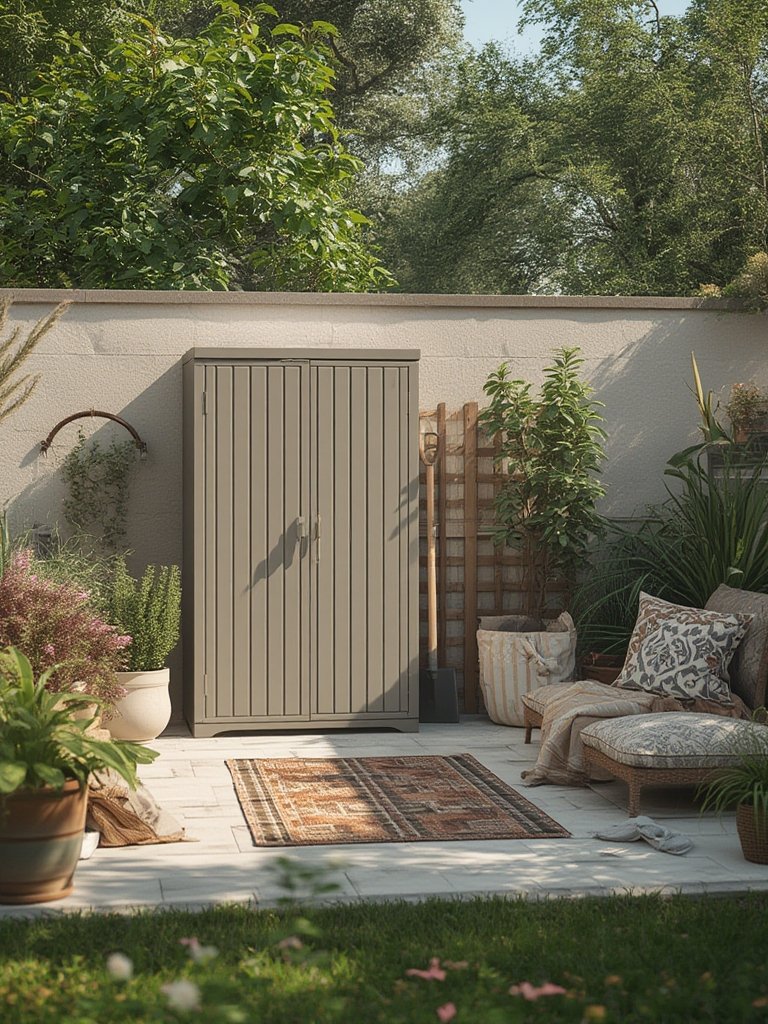
- Poor Placement: Cabinets placed directly on grass or soil absorb splashback in storms, leading to interior dampness or base decay.
- Zoning Headaches: HOAs and cities can require you to move or downsize outdoor cabinets if they’re too large or too close to a fence.
| Material | Longevity | Waterproofing (Typical) | Annual Maintenance | Common Failure | Average Upfront Cost |
|---|---|---|---|---|---|
| Resin/Plastic | 10+ years | Excellent | Low | UV Fading, Hinge Wear | $$ |
| Metal/Steel | 5-10 years | Good (if sealed) | Moderate (touch-ups) | Rust at Seams | $ |
| Wood | 3-7 years | Fair (needs sealing) | High | Rot/Splitting | $-$$$ (wide range) |
Remember, real-world reviews often highlight the problems marketing leaves out. Be sure to check for negative owner feedback before making a final choice.
If you’re serious about the total cost of ownership, factor in time and materials for ongoing maintenance. This also applies to other outdoor upgrades like smokeless fire pits and garage storage systems.
Conclusion
Choosing the right outdoor storage cabinet waterproof solution protects your investment and eliminates many common outdoor headaches. Prioritize real waterproof construction instead of just water resistance, pick your material for the climate and your willingness to maintain it, and always check for genuine owner complaints before buying. With outdoor organization in demand and the market growing fast (see market stats), now is the time to get your belongings properly protected. Ready to organize your space with confidence? Start comparing top outdoor storage cabinet waterproof models today and enjoy drier, clutter-free outdoor living.
FAQ Section
What’s the real difference between waterproof and weather-resistant outdoor cabinets?
Waterproof cabinets offer total protection even during heavy rain, using sealed joints and water-repellent materials. Weather-resistant or water-resistant designs might let in water after prolonged exposure or wind-driven rain.
Which material lasts longest in wet climates?
Resin (high-density plastic) generally outlasts metal and wood in wet conditions because it will not rust or rot, and requires the least maintenance. Metal fares well only if high-quality coatings are intact. Wood, even treated, needs regular resealing.
What should I look for to avoid leaky cabinets?
Choose cabinets with full-door gaskets, telescoping lids, and welded seams (for metal). Check owner reviews for reports of leaks, and check warranty details for coverage on water damage.
How do I know if my HOA or city allows large storage cabinets?
Review your HOA covenants or city ordinances before buying. Some areas restrict outdoor structure size, placement, and even color. Always check before purchasing to avoid fines or removal orders.
Are there smart security features for outdoor cabinets?
Yes, some modern steel cabinets now offer smart lock technology with keyless entry, smartphone alerts, and modular add-ons, but these are typically found in premium price ranges.