
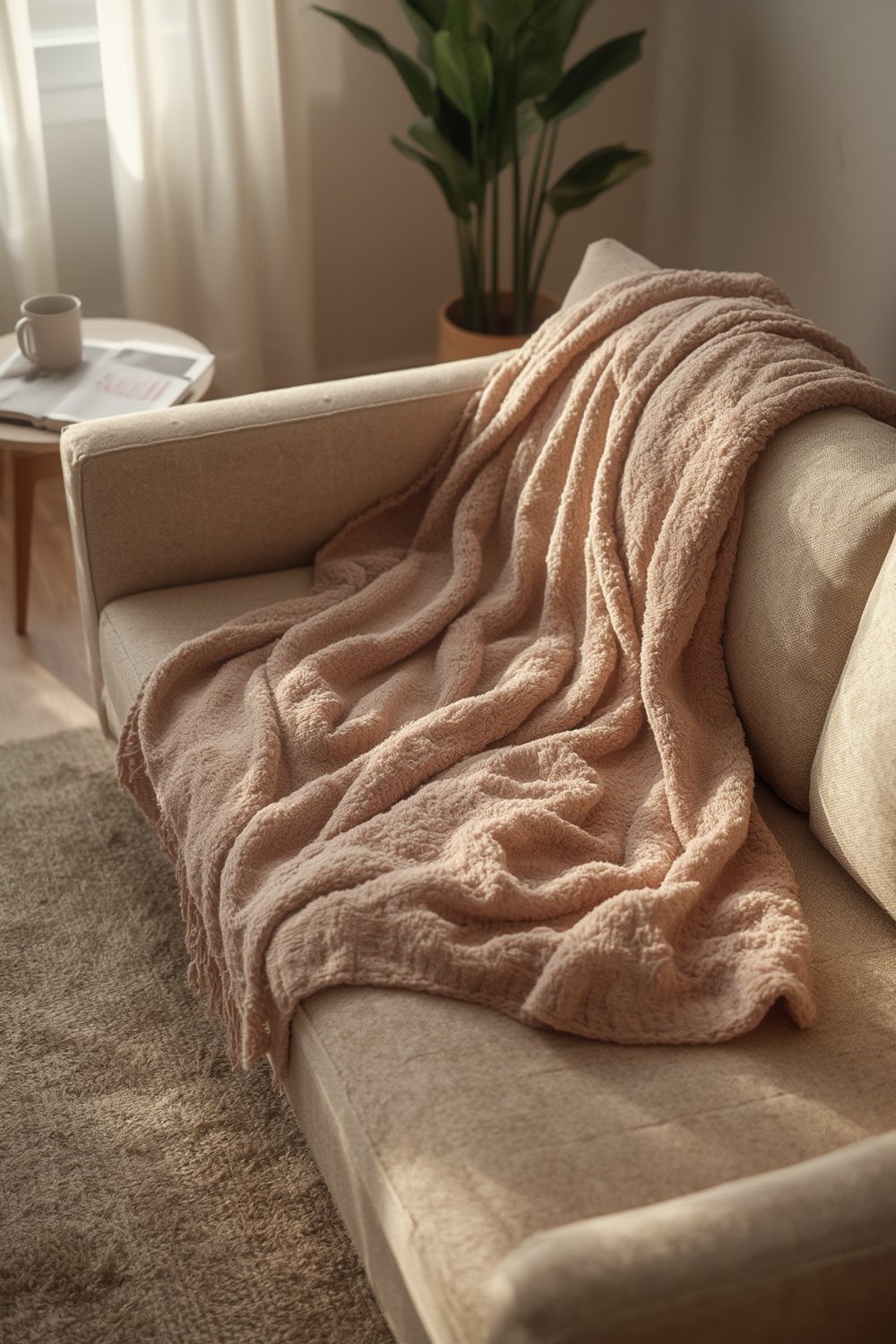
Electric heated blanket throw models have become a go-to solution for staying warm economically—especially as homeowners balance comfort, energy savings, and practical upkeep this winter. If you’re deciding whether an electric heated blanket throw is worth it, keep reading for actionable tips, brutal truths, and the latest 2024 insights on how these popular devices really perform.
Key Takeaways
- Electric heated blanket throws provide focused warmth and use far less energy than space heaters or central heating—translating to meaningful cost savings.
- Most competitors gloss over cleaning, maintenance, and real user complaints—understanding these is vital to make an informed purchase.
- Safety and durability vary widely; while innovation is strong in 2026, not all blankets earn the same peace of mind.
Table of Contents
What Is an Electric Heated Blanket Throw and Why Do People Choose Them?
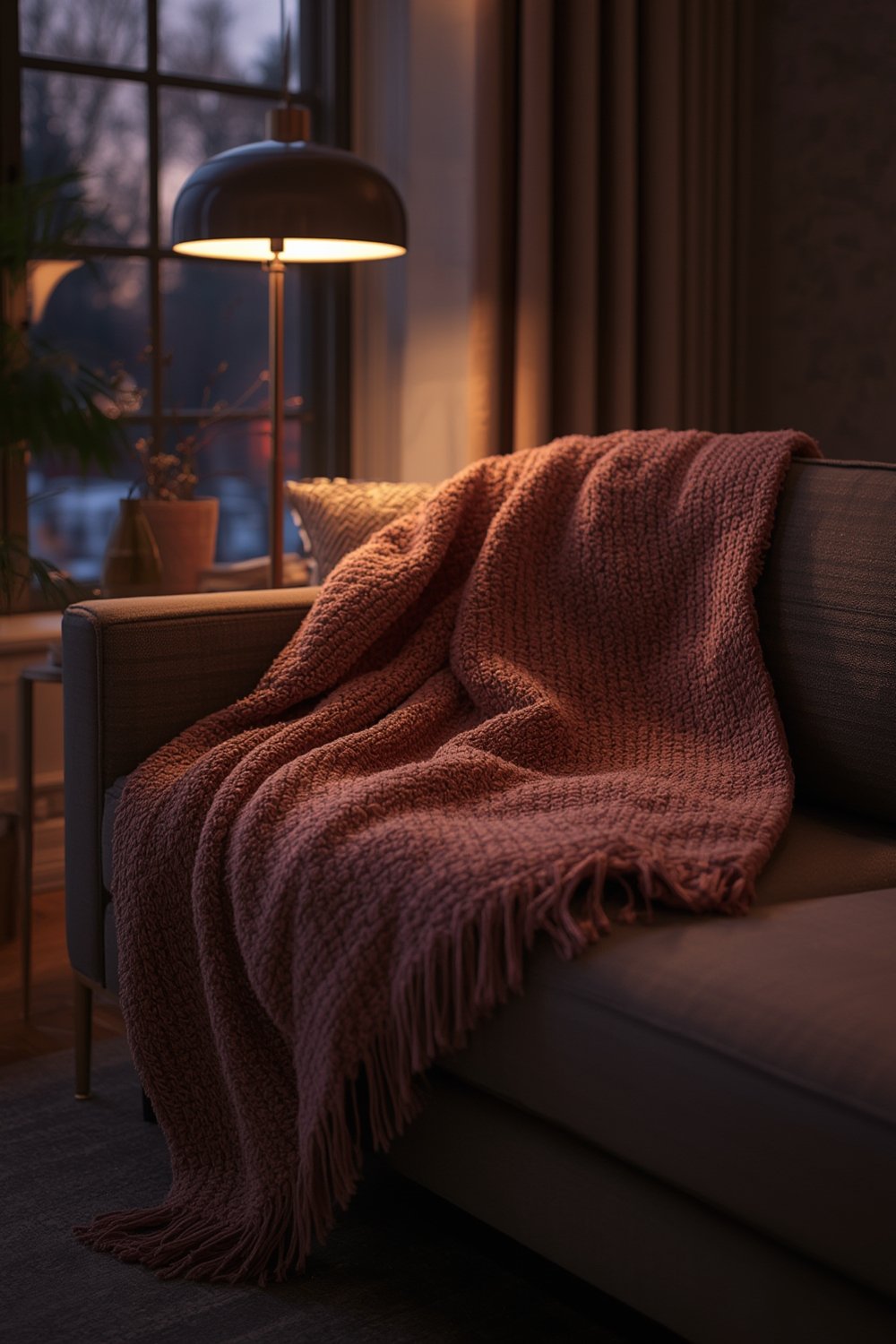
An electric heated blanket throw is a compact, plug-in blanket designed to drape over your body or sofa, delivering consistent, controllable warmth right where you need it. Unlike bulky space heaters or costly whole-home heating, these throws concentrate heat on you—not the entire room—making them an energy-efficient alternative for chilly evenings or drafty rooms.
This approach can lead to meaningful reductions in household energy consumption. While recent market research confirms electric heated blankets and throws consume significantly less power than space heaters or central HVAC systems, exact per-hour cost data remains scarce. Even so, steady adoption continues as users seek to address rising utility costs without sacrificing comfort. The global electric heated blanket throw market is expected to hit $2.12 billion in 2026, driven by demand for perceived energy efficiency according to FactMR.
Popular both for personal use and as thoughtful gifts, electric throws now feature ultra-soft materials, multiple heat settings, and enhanced safety features. Still, buyers should be aware of common pitfalls, likely maintenance issues, and where these products excel—and where they still fall short.
How to Choose, Use, and Maintain an Electric Heated Blanket Throw
Ready to upgrade your comfort? Follow these actionable steps to choose, enjoy, and prolong the lifespan of your electric heated blanket throw.
- Identify Your Needs
Decide where and how you’ll use the electric heated blanket throw. For bedrooms, a larger size and soft, machine-washable material are useful. For the sofa or office, opt for lighter, more portable models. Look for multi-use features like variable heat settings and fast heating. - Compare Features
Key considerations include:- Auto-shutoff timers (typically 2-10 hours for safety)Overheat protection sensorsLow-voltage vs. traditional (12-24V vs. 120V AC)Material (microfiber fleece, plush, sherpa, etc.)Certifications (UL, CE)
Higher-end options, like those using carbon fiber heating, may offer faster heating and more even warmth, but standard wire-based designs are still common and cost-effective.
- Read Real User Feedback
While market research highlights fire-safety as the biggest concern, actual user reviews frequently cite inconsistent heating, stiff wires, or controller failures after repeated use. - Safe Setup and First Use
Lay your throw flat and check the cord for visible damage each time. Never fold or crumple a plugged-in blanket. Start with a moderate heat setting. - Daily Use and Care Routines
Don’t sleep with the blanket on unless specifically rated for overnight use. Most throws are best for naps, reading, or relaxing. Avoid layering heavy covers on top, which can trap excess heat and trigger the safety shutoff. - Cleaning and Storage
Most modern electric heated blanket throws are machine-washable. Carefully unplug and remove any controllers first. Use a gentle or delicate cycle, cold water, and mild detergent. Never wring the blanket—instead, air dry flat whenever possible, as tumble dryers can damage wires and shorten lifespan. - Monitor For Wear
Routinely inspect for fraying, wire breakage, or inconsistent heat zones. At the first sign of malfunction or unusual odor, stop use and contact the manufacturer.
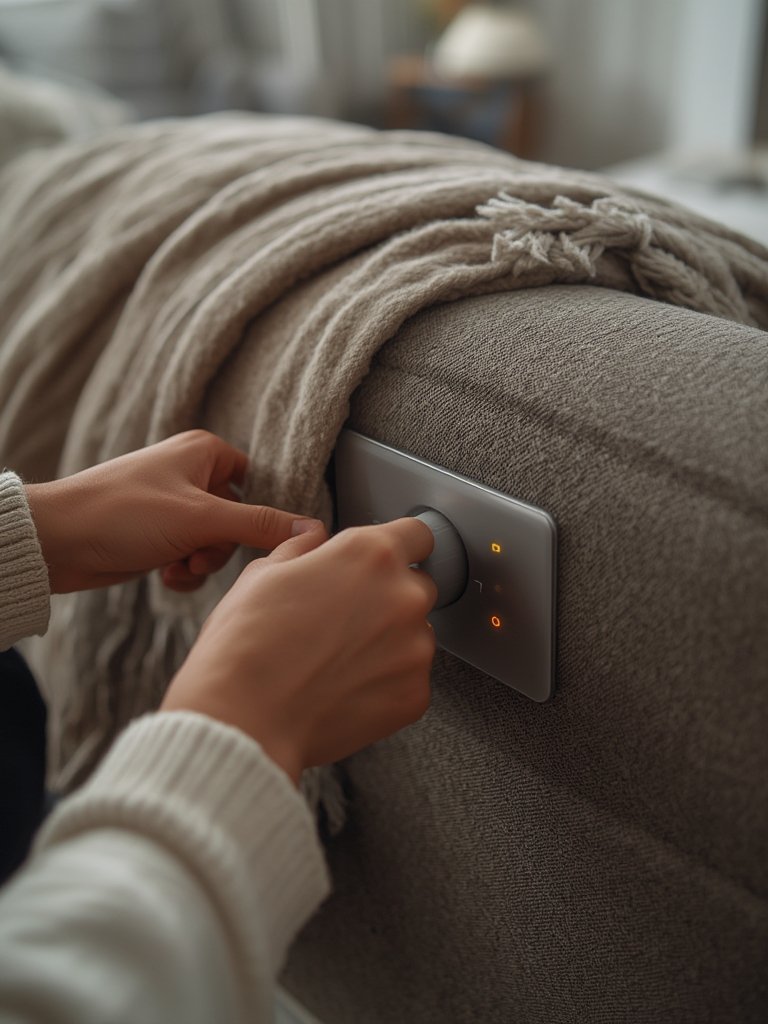
Is your living space especially drafty? Consider combining your throw with a window insulation kit for extra warmth and even further energy savings.
Proactive maintenance not only boosts safety but seriously extends product life. Dirty or neglected models fail early, yet most brands don’t admit this upfront. For extra pet-friendliness, see our pet friendly sofa fabric guide.
Advanced Analysis & Common Pitfalls
The biggest downside of owning an electric heated blanket throw is that many shopper questions go unanswered—even by top competitor articles. Users report several persistent challenges:
- Lack of Accurate Cost Comparison: Most buyers want to know exact energy savings, but in 2024, clear per-hour or per-season numbers just don’t exist. Most throws consume between 50-200W per hour, compared to 1500W for space heaters, but details vary by brand and usage habits.
- User Complaints: Discomfort caused by thick wires, uneven warmth, or controller failures rank high. Long-term durability and wash-ability remain buyer pain points. Poorly constructed throws may fail within the first year, while premium, well-maintained models can last several winters.
- Safety Feature Gaps: Though current models promote auto-shutoff and overheat protection, the specifics of voltage or certifications rarely differ between couch throws and standard blankets. Some brands use buzzwords instead of listing clear standards. Read labels carefully.
- Ambiguous Lab Testing: Although “lab-tested safety” is often touted, there’s a lack of published independent reviews or certifications attached to specific models in 2024. If this matters to you, choose brands that publicly list their lab partners and protocols.
- Hard-to-Clean Designs: Even with “machine washable” claims, wires sometimes get damaged in careless washes. Always consult your model’s manual for special cleaning rules and test for function after laundry day. To declutter your laundry area, a cabinet organizer can help streamline blanket storage.
| Feature | Electric Heated Blanket Throw | Space Heater | Central Heating |
|---|---|---|---|
| Typical Power Use | 60-120W per hour | 1000-1500W per hour | Varies (multiple kWh) |
| Coverage | Localized (1-2 people) | Small room | Whole house |
| Installation | Plug & use | Plug & use | Permanent system |
| Safety Features | Auto shut-off, overheat protection, certifications | Tip-over/overheat switch | Varies by furnace/boiler age |
| Cleaning | Remove plug, gentle wash/air-dry | Dust exterior only | Not applicable |
| Maintenance | Inspect wires, avoid folding tight | Check filters, motors | Annual service |
| Pet Friendly? | Yes, with supervision and safe placement | Potential hazard | Safe |
| Energy Savings | High (localized use) | Moderate (single room) | Lowest (entire home) |
For a fully integrated energy solution, pairing a heated throw with a smart thermostat can optimize background heating—automatically lowering your home’s default temperature when your throw is in use.
Conclusion
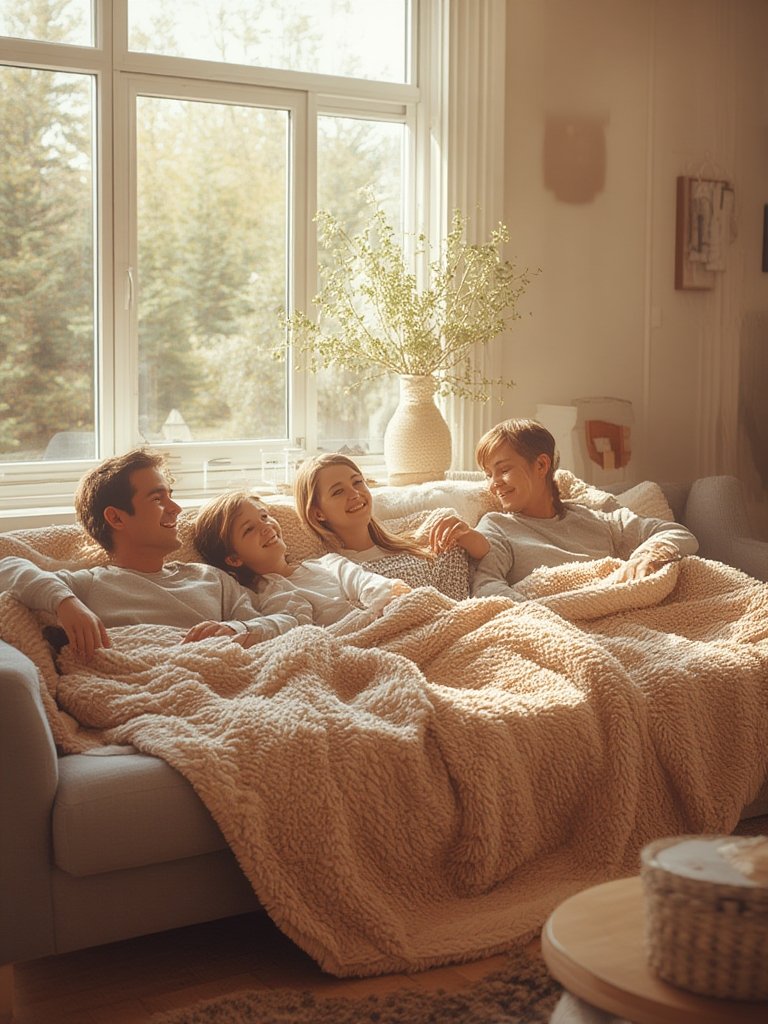
Electric heated blanket throws are a realistic solution for localized warmth and energy savings in any season. While the exact cost-per-hour advantage over traditional heating is difficult to pin down, most users save on bills and enjoy a boost in comfort—when they choose wisely and follow care instructions. If you’re ready to add an electric heated blanket throw to your self-care arsenal, remember to check for certifications, follow best practices for cleaning, and balance warmth with safety. Start comparing your needs and take control of your comfort and energy costs today.
FAQ
Are electric heated blanket throws energy-efficient compared to space heaters?
Yes. Most electric heated blanket throws use 60-120 watts per hour, while space heaters typically draw 1000-1500 watts. This means throws deliver focused warmth at a fraction of the operating cost of a space heater or central heating.
Can I machine-wash my electric heated blanket throw?
Many newer models are machine-washable. Always unplug and remove the control unit first. Use a gentle cycle and air-dry flat to avoid damaging internal wires.
Is it safe to sleep with an electric heated blanket throw on?
Only if your model is specifically rated for overnight use and has an auto-shutoff feature. Always follow manufacturer guidelines, and avoid using the blanket when folded or bunched up during sleep.
How long should an electric heated blanket throw last?
With proper care and gentle cleaning routines, quality electric heated blanket throws often last 2-5 years. Cheaper models or those subjected to heavy washing and tight folding may wear out much sooner.
What should I do if my heated throw stops working or smells burnt?
Immediately unplug the device. Inspect for visible defects or smells. Do not use again until assessed by the manufacturer or a qualified electrician—it’s not worth the fire risk.