

Kitchen pull out trash can cabinet systems are now essential for modern, organized kitchens that demand cleaner design and smarter waste solutions. If you are tired of a clunky bin on display or wrestling with under-sink clutter, you are not alone—pull out trash can cabinets are now the #1 storage upgrade homeowners request. This hands-on guide covers what to expect from today’s hidden garbage bin solutions, how to install and customize them, and what pitfalls to watch for before you buy.
Key Takeaways
- Pull out trash can cabinets are the most requested kitchen storage feature, driven by demand for space optimization and tidiness.
- Stainless steel models outperform plastic for durability and odor resistance, but cost more and require careful cabinet compatibility checks.
- Installation and durability issues are common pain points; picking the right size and features saves hassle and extends product life.
Table of Contents
What Is a Kitchen Pull Out Trash Can Cabinet and Why Upgrade?
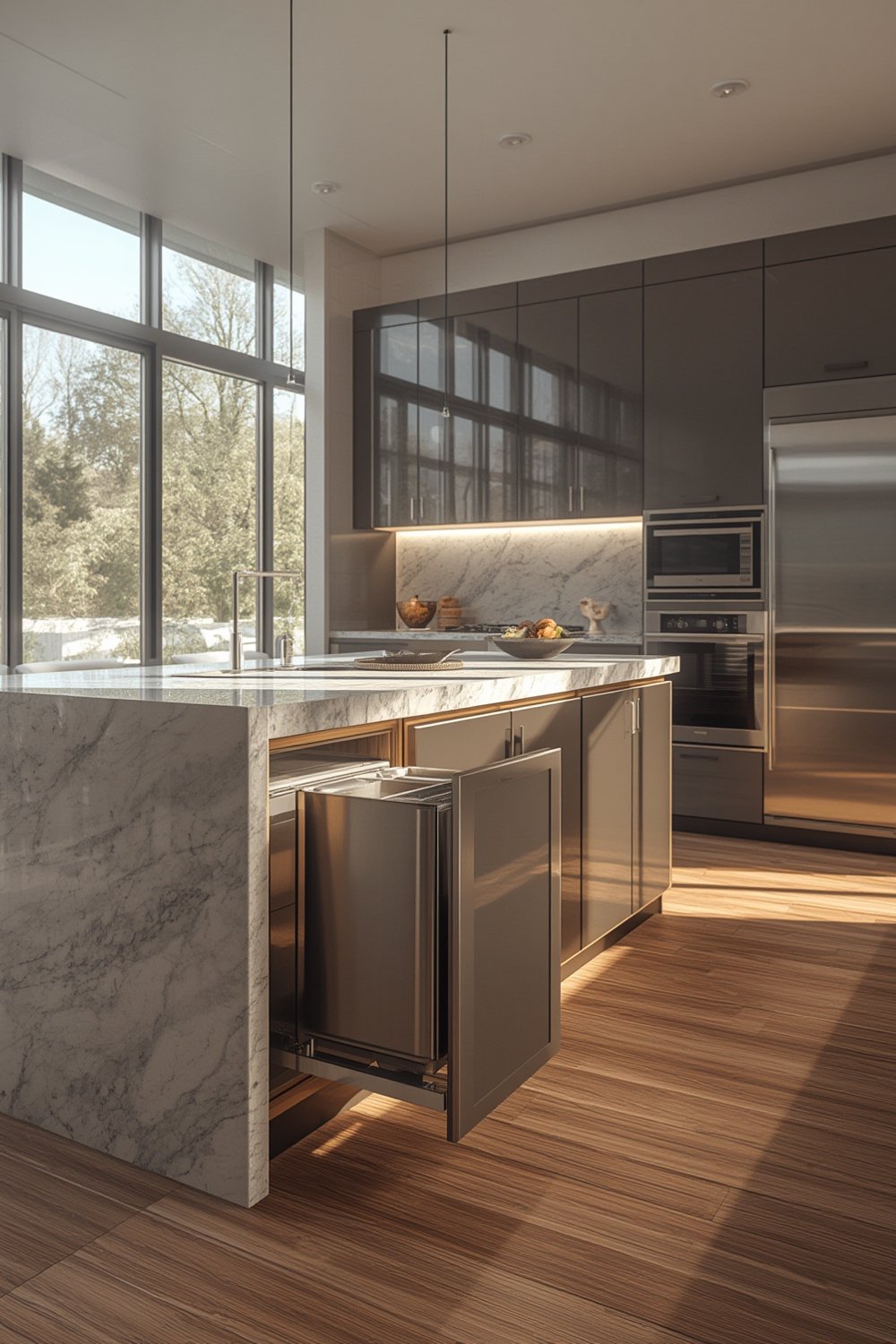
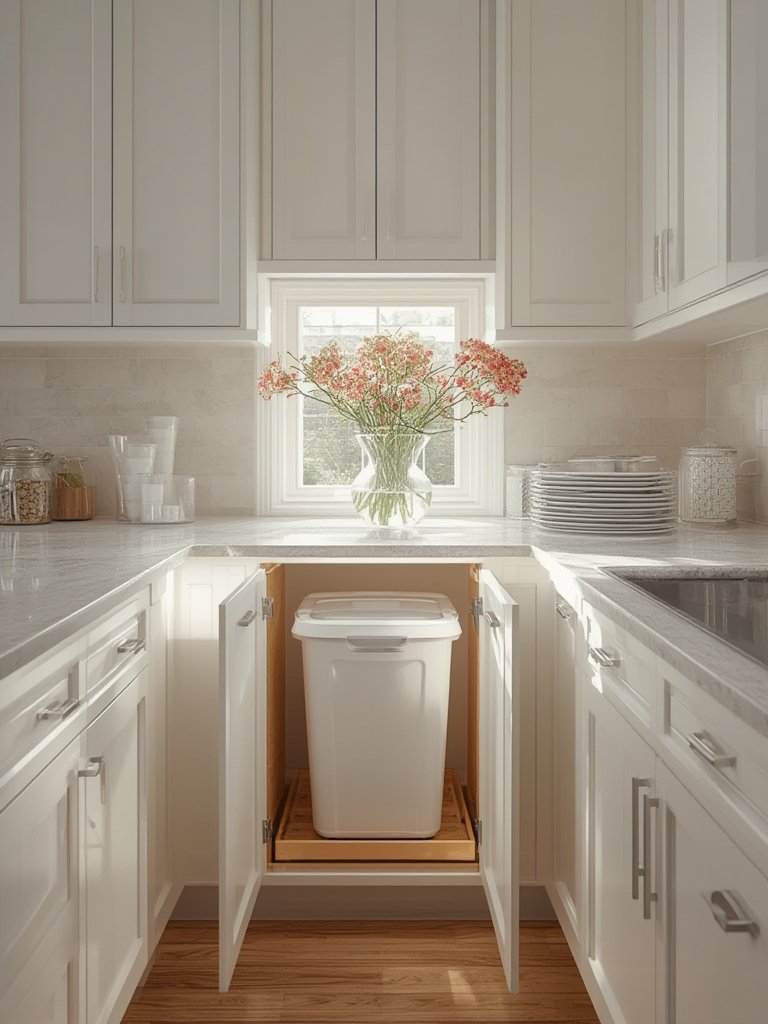
A kitchen pull out trash can cabinet is a hidden waste storage system built into your base cabinet, letting you slide out your trash or recycling bins for quick access, then tuck them away for a seamless look. This upgrade maximizes floor space, reduces odor spread, and fits ergonomic and design needs. In 2024, pull-out waste bins account for 25% of new kitchen storage product launches and are requested by 63% of remodelers—a strong sign this trend is here to stay. [Source] Stainless steel models and multi-bin options lead the way for hygiene and durability, especially in North American and fast-urbanizing Asian kitchens.
How to Select and Install a Pull Out Trash Can Cabinet: Step-by-Step Guide
Upgrading to a pull out system is a smart DIY or professional project. Follow these steps for smooth results:
- Measure your cabinet: Most pull-out systems fit 18–24 inch base cabinets, common in US and urban Asian kitchens. Allow for bin height, door thickness, and hardware clearance. If you have a custom or older kitchen, look for modular or adjustable-width models.
- Choose your material and features: Stainless steel is top for durability and odor resistance, but costs more. Plastic models are budget friendly, easier to lift, but stain easier and may crack over time. Prioritize soft-close, dual-bin, and odor filter features for a better user experience. Popular brands like Rev-A-Shelf or Nine Stars cover most cabinet types.
- Assess installation complexity: Ready-to-assemble models install with basic tools in about an hour, but you may need to redrill holes or adjust rails for older cabinets. Built-in soft-close or sensor features usually add complexity—professional install is smart for custom setups.
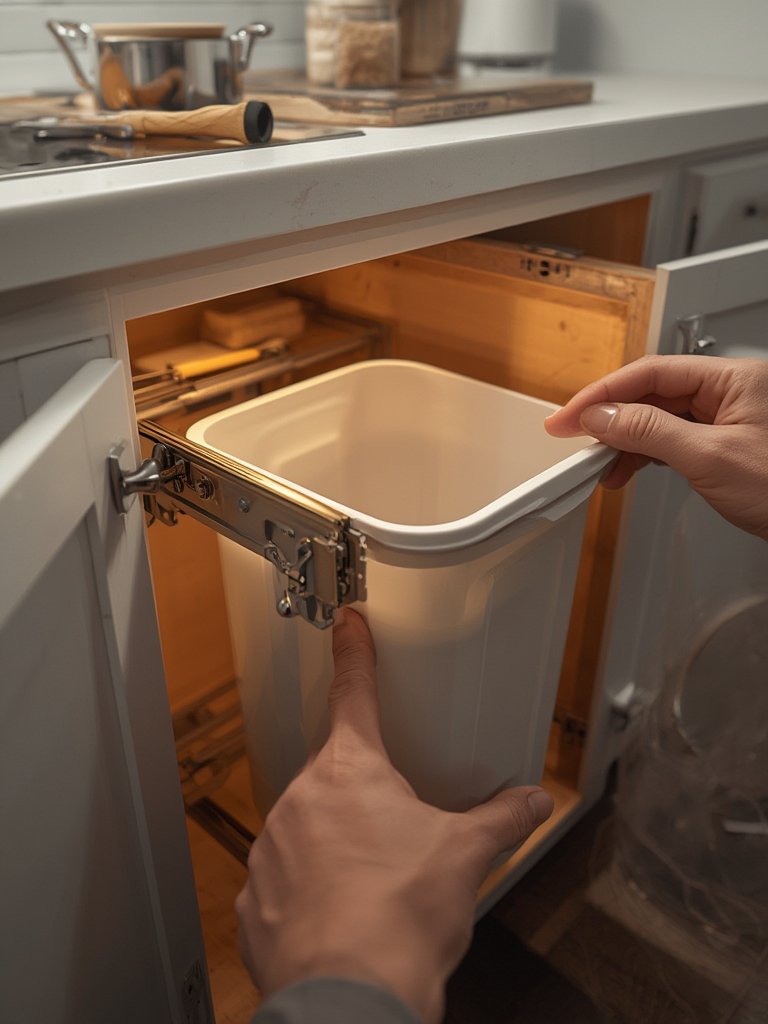
- Install the system: Lay out all hardware first. Mark and pre-drill mounting holes carefully; small misalignments can cause doors not to close flush. Attach sliding rails, check for smooth travel, and verify your bin clears the cabinet lip.
- Add accessories: Attach odor filters, liners, or recycling dividers as needed. Some systems include these; others make them optional upgrades.
If you’re looking for more kitchen storage or want to maximize under-sink space, consider pairing your trash pull-out with an under sink organizer to completely declutter the area.
Advanced Analysis: Pitfalls, Material Comparisons, and Hidden Costs
Market research and reviews highlight several challenges with kitchen pull out trash can cabinets. Here’s what to watch for:
- Size mismatch: Many users buy the wrong model for their cabinet size or under-estimate the space needed for bin removal. Always confirm inside width and depth versus the product specs.
- Installation difficulty: In compact kitchens, plumbing and corners may block full extension. As cabinets age, new rail holes or thicker doors complicate fit—seek adjustable or modular kits.
- Material issues: Plastic bins stain, absorb odors, or crack under moderate use, while stainless models resist this but cost more and add weight. Material cost inflation increased prices by 14-18% in the last 2 years. [Source]
- Feature overload: High-end sensor or soft-close pulls sometimes add moving parts that become sticking points for debris or grease, leading to repairs.
- Regional variances: Standards in North America differ from other regions; double-check fit if you import or live outside the US.
- Durability: Budget models sometimes cut corners with thin plastic or poor slide hardware, resulting in wobbly pulls and short life. Well-made stainless solutions last 5-10 years when maintained.
| Feature | Plastic Models | Stainless Steel Models |
|---|---|---|
| Durability | Lower (prone to cracks/stains) | High (resists dents/odors) |
| Price | Budget-friendly | Premium (14-18% inflation) |
| Maintenance | Frequent deep cleaning required | Easy wipe, minimal stains |
| Odor Resistance | Prone to lingering smells | Excellent odor control |
| Customization | Limited, mostly fixed sizes/colors | More modular/finish options |
Many “best of” guides miss key topics. For true ergonomic benefit, choose models with soft-close rails and low, easy-grip handles—especially if your family includes kids or aging relatives. Customization is increasingly important in small or non-standard kitchens; look for systems offering adjustable rails or panels to match your other cabinetry—a need highlighted in reviews that home furniture systems, like modular sectional sofas and foldable dining tables, have solved.
Finally, eco-aware buyers should know that while bamboo or recycled materials are starting to appear in European and Asian designs, most US-market pull-out bins are still stainless steel or plastic. Compost-specific bin options remain rare.
For buyers aiming to create a fully organized kitchen, pairing your trash cabinet with modular solutions—like a DIY wall panel backsplash or smart kitchen lighting —delivers cohesive style and helps tackle clutter.
Conclusion
Upgrading to a kitchen pull out trash can cabinet adds both style and efficiency to any modern home. While stainless steel options deliver the longest lifespan and best odor control, proper measurement, feature selection, and understanding your kitchen’s quirks are essential for long-term satisfaction. Addressing installation and material pitfalls up front means you will get more from your investment and a tidier, more ergonomic kitchen. Explore all your options and invest in a kitchen pull out trash can cabinet that meets your unique needs—your future self (and your family) will thank you.
Ready to take your home organization further? Explore our guides to under sink organizers and garage storage systems for more actionable ideas.
FAQ
What size cabinet do I need for a pull out trash can system?
Most pull out bins fit standard base cabinets 18–24 inches wide. Measure both width and depth, and allow extra space for the bin and rails inside. Adjustable models help if your cabinet is nonstandard.
Are pull out trash can cabinets hard to install?
Basic models are DIY-friendly and only require simple tools. Advanced features such as soft-close or sensors can complicate the install—plan for extra time or hire a pro for custom fits.
Do stainless steel trash cabinets really last longer than plastic?
Yes—stainless steel resists cracking, stains, and odors far better than plastic. Expect a lifespan of 5-10 years for well-maintained stainless models; plastic options typically wear out sooner.
What features should I look for beyond basic pull out bins?
Look for soft-close rails, odor filters, two-bin designs for recycling, and ergonomic low handles. Premium systems may also offer touchless opening or smart sensors for maximum hygiene.
Are there eco-friendly pull out trash bin options?
Sustainable materials like bamboo or recycled plastics are starting to appear in global markets, especially in Europe and Asia, but most US options are still stainless steel or plastic.