

Dog automatic ball launcher devices are transforming the way dog owners keep their pets engaged and healthy. With both the demand and technology for these smart gadgets rapidly growing in 2024, finding the best solution for energetic dogs requires a critical understanding of the latest market trends, practical setup tips, potential drawbacks, and real costs.
Key Takeaways
- automatic ball launchers have seen rapid market growth in 2024 due to interactive pet tech trends.
- Most leading devices focus on adjustable distance, battery efficiency, and ball size flexibility but lack standardized specs.
- Owners should watch for hidden costs such as replacement balls and potential setup or safety pitfalls.
- What Is a Dog Automatic Ball Launcher and Why Use One?
- Step-by-Step Guide to Setting Up and Using a Dog Automatic Ball Launcher
- Advanced Analysis: Problems, Pitfalls, and Real-World Issues
- Conclusion
- Frequently Asked Questions
What Is a Dog Automatic Ball Launcher and Why Use One?
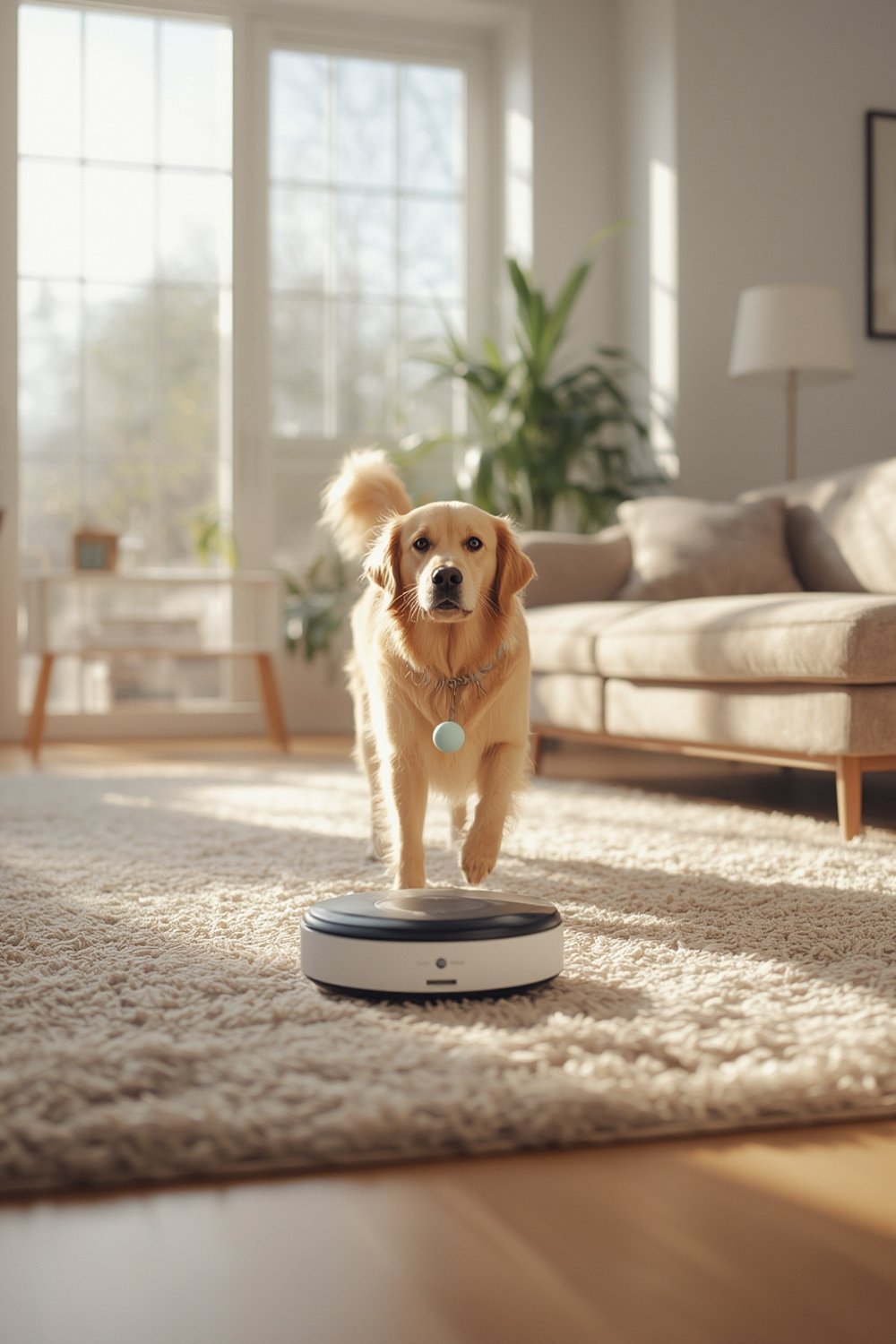
A dog automatic ball launcher is a device that throws tennis balls (or compatible balls) automatically, allowing your dog to play fetch without constant human involvement.
Unlike manual throwers, these machines operate on timers or triggers, making them ideal for busy owners or high-energy dogs.
They provide consistent exercise and mental stimulation, especially for breeds that require frequent activity.
Market demand is growing quickly.
Market adoption in 2024 is booming, with global automatic dog ball launcher sales reaching USD 50 million this year and projected to more than double by 2033 (source).
This growth is driven by rising pet ownership, increased focus on pet fitness, and smarter product features.
North America leads adoption due to higher spending on pet care, while Europe and Asia-Pacific markets continue expanding.
Modern launchers focus on convenience and customization.
Brands like ALL FOR PAWS, iFetch, GoDogGo, Hyper Pet, and IDOGMATE offer adjustable distances, multiple ball sizes, and quieter motors.
Battery-powered and app-enabled models are also becoming more common, making these devices easier to integrate into daily routines.
Many pet owners combine these tools with other enrichment products to maximize stimulation.
For more ideas, check our dog enrichment toys guide.
Step-by-Step Guide to Setting Up and Using a Dog Automatic Ball Launcher
Getting the most from your dog automatic ball launcher depends on a thoughtful setup and a gradual, positive introduction for your pet. Follow these steps to maximize enjoyment and minimize problems.
- Choose the best location. Place the launcher on a flat, stable surface in a safe area clear of breakables, fragile plants, or obstructions. Outdoor spots like fenced yards offer the most freedom, but garages or large basements also work for smaller models.
- Power it up. Charge or insert fresh batteries before first use. Some models support both AC adapters and rechargeable packs; check the manual for optimal power options and recharge cycles. This ensures longer play and minimizes interruptions.
- Pick the right balls. Only use manufacturer-approved sizes. Many devices can launch standard tennis balls, but some require proprietary replacements. Buying a bundle or subscribing for replacements is wise, especially with frequent chewers. Explore emerging subscription models for easier ball management (source).
- Adjust the launch settings. Set the distance and angle to suit your dog’s size, energy, and play area. Adjusting these options prevents overexertion or balls hitting nearby objects. Newer models often offer mobile app control for easy changes.
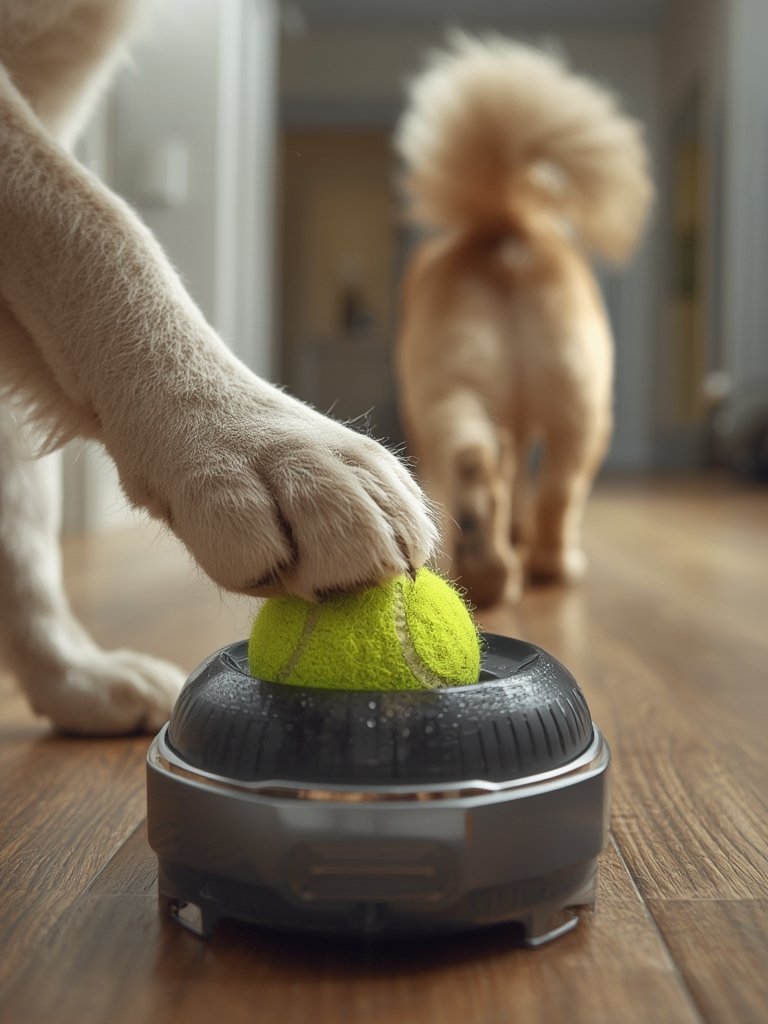
- Teach your dog to fetch and reload. Begin with the launcher turned off. Encourage your dog to retrieve balls and drop them near the device. Reward correct behavior. Gradually introduce the automatic launch sound and movement, using commands and treats for positive reinforcement.
- Supervise early use. Not all dogs instantly grasp the launcher’s function. Some may be startled by the noise or motion. Monitor play closely for the first several sessions, especially with curious or anxious dogs. Place your hand over the ball chute between launches to demonstrate.
- Keep maintenance simple. clean the ball track regularly to prevent jams. Recharge as needed and inspect for dirt, drool buildup, or signs of excess wear, especially if played with outdoors.
Integrating a ball launcher alongside a wireless GPS dog fence or as enrichment alongside a dog anxiety vest can help create a more stimulating, safe play environment.
Advanced Analysis: Problems, Pitfalls, and Real-World Issues
Despite surging sales, there are some real limitations and challenges to using a dog automatic ball launcher in 2024. Owners must weigh the benefits against these potential pitfalls:
- Device Compatibility: Not all balls fit all launchers. Some brands use unique ball sizes, requiring ongoing purchases from the manufacturer. Proprietary balls often mean higher recurring costs compared to universal tennis balls.
- Lack of Standardized Safety Features: Most devices advertise safety, but there is little market-wide data on actual safety sensors or remote controls. Supervision is still required to prevent accidents, especially with small children or excitable dogs.
- Noise Sensitivity: While modern motors are quieter, some dogs react fearfully to the launch noise or sudden ball movement. Gradual training remains essential, particularly for anxious breeds.
- Cost Sensitivity: Premium automatic launchers cost significantly more than manual ball throwers. Factoring in replacement parts or subscription balls increases annual expenses. However, prices are rarely published openly and tend to fluctuate depending on model updates and demand (source).
- False Marketing Claims: With rapid growth, some brands overpromise launch distance or durability. Always check real product reviews and look for test videos before buying.
- Limited Vet-Reviewed Evidence: As of 2024, there is little direct veterinary guidance regarding the safety, physical, or psychological impacts of frequent automatic fetch play for high-energy or anxious dogs.
| Brand | Ball Compatibility | Adjustable Launch? | Battery/Rechargeable | Noted Issues |
|---|---|---|---|---|
| GoDogGo | Tennis, proprietary | Yes | Both | Premium price, recurring ball costs |
| iFetch | Mini/proprietary | Yes | Both | Small balls wear out, device jams if dirty |
| ALL FOR PAWS | Tennis, standard | Adjustable | Rechargeable | Occasional battery issues |
| Hyper Pet | Tennis | Some models | Battery | Limited ball size, manual ball return |
| IDOGMATE | Tennis, mini | Yes | Rechargeable | Some loud motor issues |
Thinking long-term about maintenance? Explore pairing your launcher setup with a reusable lint roller for pet hair or a pet water fountain to keep your dog hydrated after play. These accessories boost pet wellness and reduce owner workload.
Conclusion
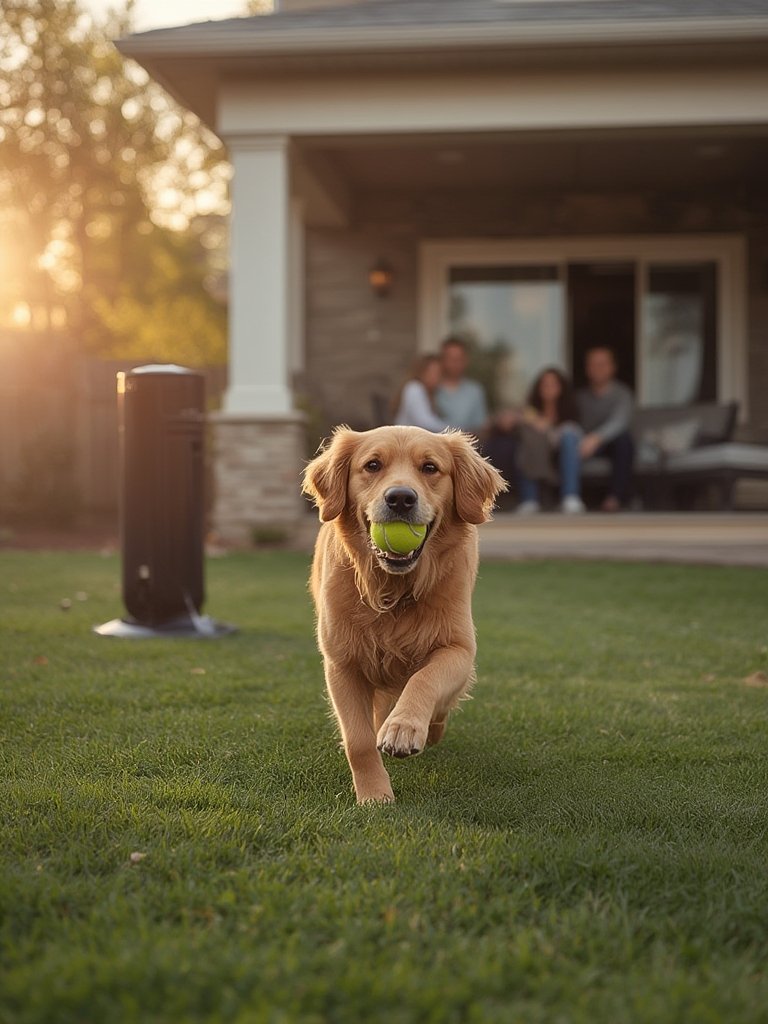
Automatic ball launchers offer a powerful mix of convenience and exercise for dogs, especially those with high energy levels.
However, buyers should carefully review compatibility, safety features, and long-term costs before making a decision.
Some models may not suit anxious dogs or first-time users without proper training and supervision.
If you want a hands-free way to keep your dog active, this type of device can be a valuable addition to your routine.
Compare features, start with supervised play, and consider pairing with enrichment tools for the best results.
Looking for more smart pet tech? Check out our smart pet feeder guide for the best automated feeding options.
Frequently Asked Questions
Can any dog use an automatic ball launcher?
Most medium and large dogs enjoy automatic ball launchers. Toy breeds may not trigger the sensors or fetch larger balls, while very anxious or noise-sensitive dogs may need a slower, supervised introduction.
Do I need to buy special balls for my launcher?
Some models use standard tennis balls, but many require proprietary sizes for safe operation. Always check with the manufacturer before using off-brand replacements.
How do I teach my dog to reload the ball launcher?
Use treats and positive reinforcement to shape the fetch-and-return behavior. Some owners smear a little peanut butter on the ball to encourage their dog to bring it back to the launcher.
Are automatic ball launchers suitable for puppies?
Puppies can use these devices with supervision and low-power settings. Avoid long sessions or high launch distances to protect developing joints, and always introduce gradually.
What maintenance does an automatic ball launcher require?
Regular cleaning of the ball tracks and chute prevents jams, while recharging or changing batteries as recommended ensures consistent operation. Inspect for chewed cords or damaged housing after heavy use.
—