

Heated outdoor pet house solutions have become essential for pet owners in cold climates who want to keep their animals comfortable and safe year-round.
Whether you own a dog, cat, or smaller pet, providing a warm, weatherproof shelter outdoors is not just a luxury—it can be a necessity when temperatures drop.
Key Takeaways
- The heated outdoor pet house market is growing fast due to increased pet ownership and demand for winter-ready shelters [source].
- Choosing and maintaining the right heated pet house requires attention to insulation, energy efficiency, and safety considerations.
- High-quality heated shelters can enhance pet comfort but market research highlights gaps around technical standards and cost transparency.
- The Core Concept: What is a Heated Outdoor Pet House and Why Use One?
- Step-by-Step Guide: Setting Up Your Heated Outdoor Pet House
- Advanced Analysis & Common Pitfalls
- Conclusion
- Frequently Asked Questions
The Core Concept: What is a Heated Outdoor Pet House and Why Use One?
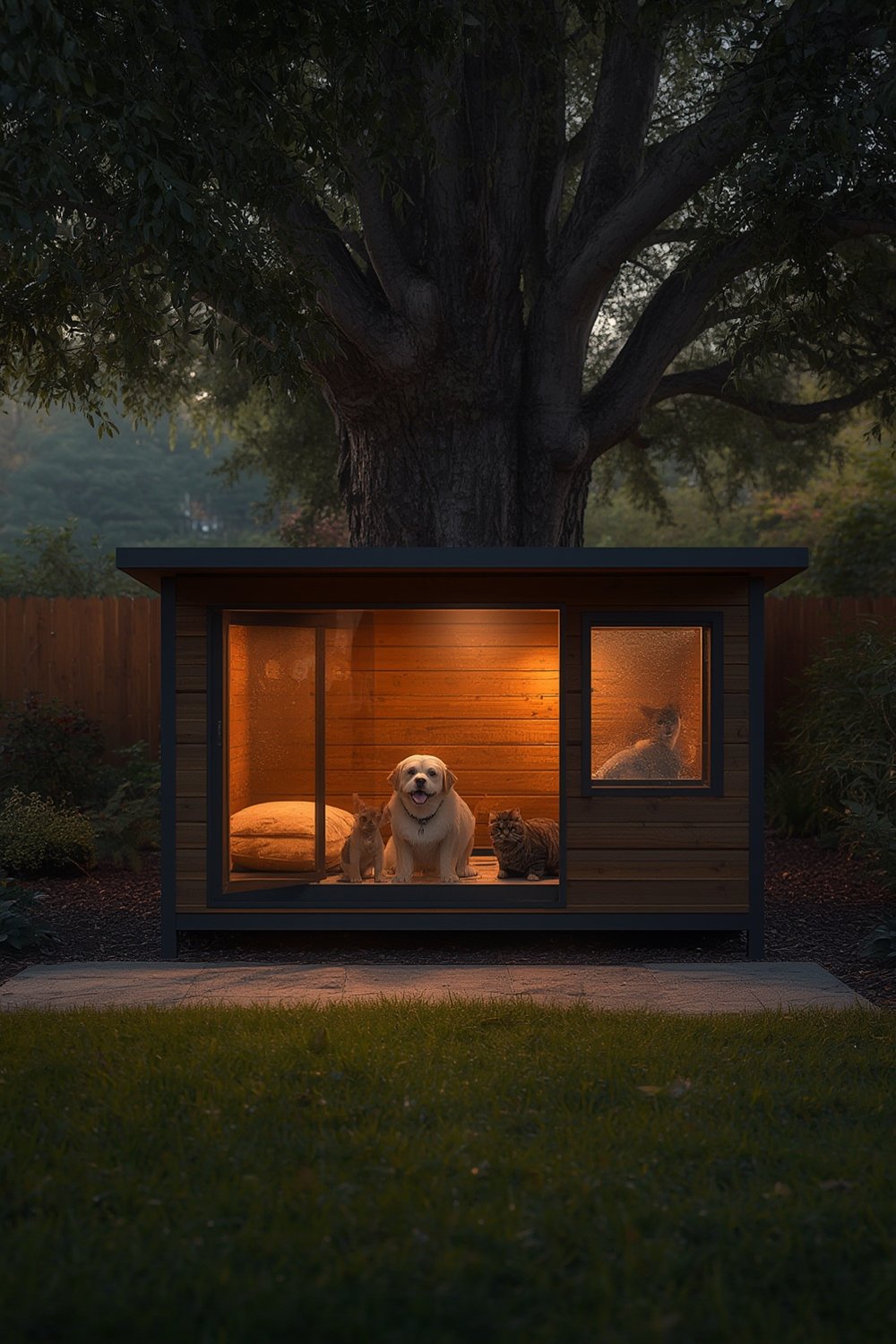
A heated outdoor pet house is a specially designed shelter that maintains a safe, comfortable temperature for animals living or spending significant time outside.
Unlike standard pet houses, these units include heating elements, insulation, and weather-resistant materials.
Their primary goal is simple: protect pets from cold, wind, and moisture—especially during harsh winter conditions.
Demand for these shelters is strongest in colder regions, particularly across North America.
Market data suggests the heated dog house segment could reach $1.2 billion by 2025, while the broader outdoor pet furniture market may hit $3.4 billion by 2034 (source).
As awareness of pet safety grows, modern designs now include thermostats, modular builds, and improved insulation systems.
The heated outdoor pet house performs best for:
- Backyard dogs in cold climates without indoor sleeping access
- Working dogs or barn cats needing an overnight outdoor shelter
- Pets that refuse to stay indoors but require warmth
- Temporary outdoor setups during home renovations or travel
Smart features and smart pet integrations—like remote temperature monitoring, similar to advances found in app controlled pet feeders—raise the bar for convenience and efficiency.
Step-by-Step Guide: Setting Up Your Heated Outdoor Pet House
Ready to set up a heated pet house for your furry friend? Here are clear, actionable steps to get it right and protect your pet all winter long:
- Choose the Right Size and Material: Pick a house large enough for your pet to turn around, but not so roomy that body heat is lost. Look for raised floors, double-wall insulation, and weatherproof construction. Insulated plastics and UV-resistant fabrics last longer and require less maintenance than untreated wood.
- Select a Safe, Efficient Heating System: Opt for a thermostatically controlled pad or panel designed for pet use. Avoid makeshift heaters or generic electric blankets. Pet-safe heaters minimize burn and fire risk.
- Pick the Right Spot: Place the house in a sheltered area—out of direct wind, sun, and pooling rain. Avoid low-lying ground where flooding is likely. The ideal location is under a porch or next to a solid fence, much like how you’d position an outdoor dog kennel with roof for safety.
- Install Insulation and Weather Seals: Even the best heated house benefits from extra foam or reflective insulation—especially under the floor. Double-check door flaps, seams, and joints for drafts. Upgrade entry flaps to thick, flexible plastic or heavy-duty fabric.
- Connect and Test Heating Elements: Before introducing your pet, power up the system for a full day. Use a thermometer to verify temperature stability. Ensure cords are protected and unreachable by curious chewers.
- Monitor and Maintain: Check heating function, wiring, and bedding at least weekly in winter. Replace bedding if damp and clear out shed fur—just as essential as regular cleaning of your automatic litter box.
- Prioritize Ventilation: Open adjustable vents periodically to prevent condensation and odors. Proper airflow maintains a healthy environment, especially if your pet spends hours inside.
- Upgrade for Tech-Savvy Care: Look for models with WiFi-enabled temperature controls, or add a plug-in smart thermostat for remote checks—similar tech as found in smart home heating systems. This lets you spot issues without opening the house in bad weather.
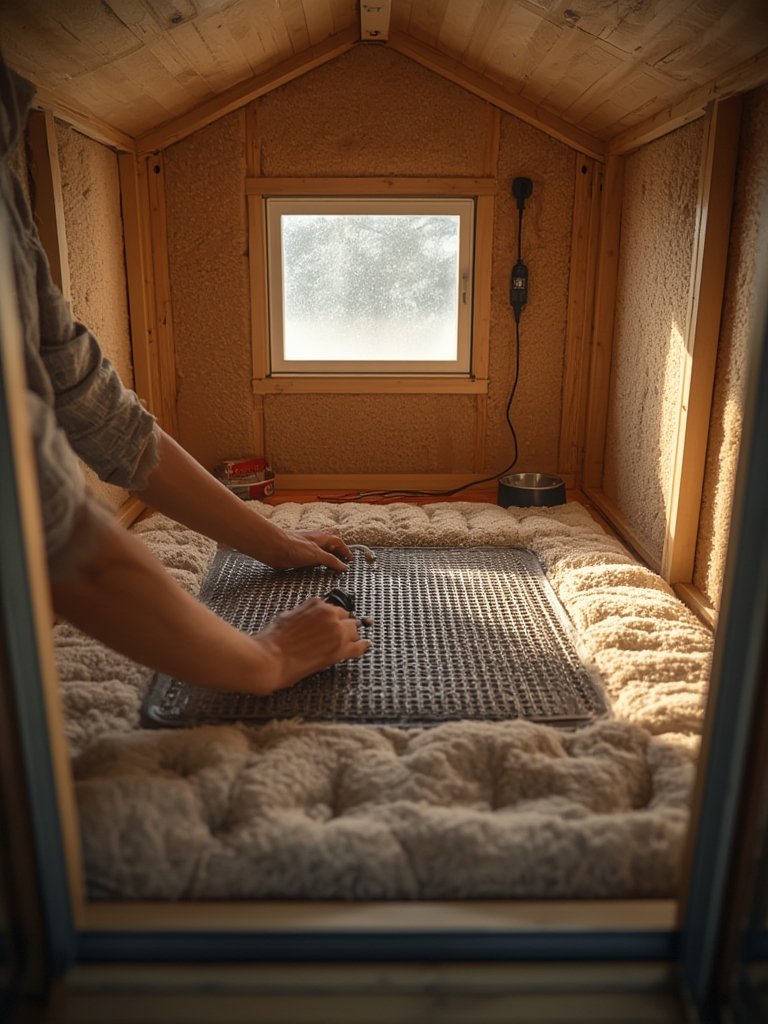
Maintenance is ongoing. Use a reusable lint roller to keep bedding and surfaces free of fur, and check the heater cord for chew marks every week. In snowy regions, clear away drifts and ice buildup from entrances and roof vents.
For pets reluctant to use outdoor shelters, combine your heated house with enrichment strategies. Try placing dog puzzle toys or calming lick mats inside to make the space more alluring.
Advanced Analysis & Common Pitfalls
Even a well-designed heated pet house comes with potential challenges.
Based on industry insights and user feedback, the most common issues include durability concerns, uneven heating, and moisture buildup.
Understanding these problems helps you avoid costly mistakes.
- Temperature Regulation Limitations: Lower-cost models may fail to maintain even warmth throughout the house, especially if insulation is thin or vents are poorly placed.
- Electrical & Safety Hazards: Not all products meet recognized safety standards. Lack of certification can lead to overheated surfaces, sparking, or water ingress.
- Moisture & Mold: Without proper floor elevation and ventilation, condensation or leaks can cause unhealthy dampness, odors, and even mold.
- Pet Avoidance: Some pets refuse to use heated houses due to unfamiliar smells, noise, or poor placement. Forcing the issue can create more stress.
- Unclear Cost & Energy Use: Many heated pet houses do not publish exact energy consumption. Ongoing electricity costs can be higher than expected in cold climates.
- Maintenance & Cleaning Difficulties: Shelters with fixed floors are harder to clean and keep dry. Choose removable panels and easy-access designs where possible.
| Feature | Budget Heated House | Premium Heated House |
|---|---|---|
| Insulation Quality | Single wall, minimal foam | Double wall, thick foam, waterproof |
| Temperature Control | Manual on/off switch | Thermostat, remote monitoring |
| Safety Certifications | Often unspecified | UL, CE, or equivalent listed; grounded cords |
| Maintenance | Fixed panels, tough to clean | Removable roof/panels, washable liner |
| Expect Price Range | $50-$150 | $200-$500+ |
Crucially, many brands do not disclose clear regulatory compliance. Always choose products with up-to-date safety certifications and consider requesting documentation directly from the seller.
If you live in a harsh climate, upgrading to an insulated, elevated house is as important as investing in pet friendly turf for year-round comfort. For homes with severe winter drafts, pairing your heated house plan with a reliable window insulation kit can help maintain household warmth overall.
Conclusion
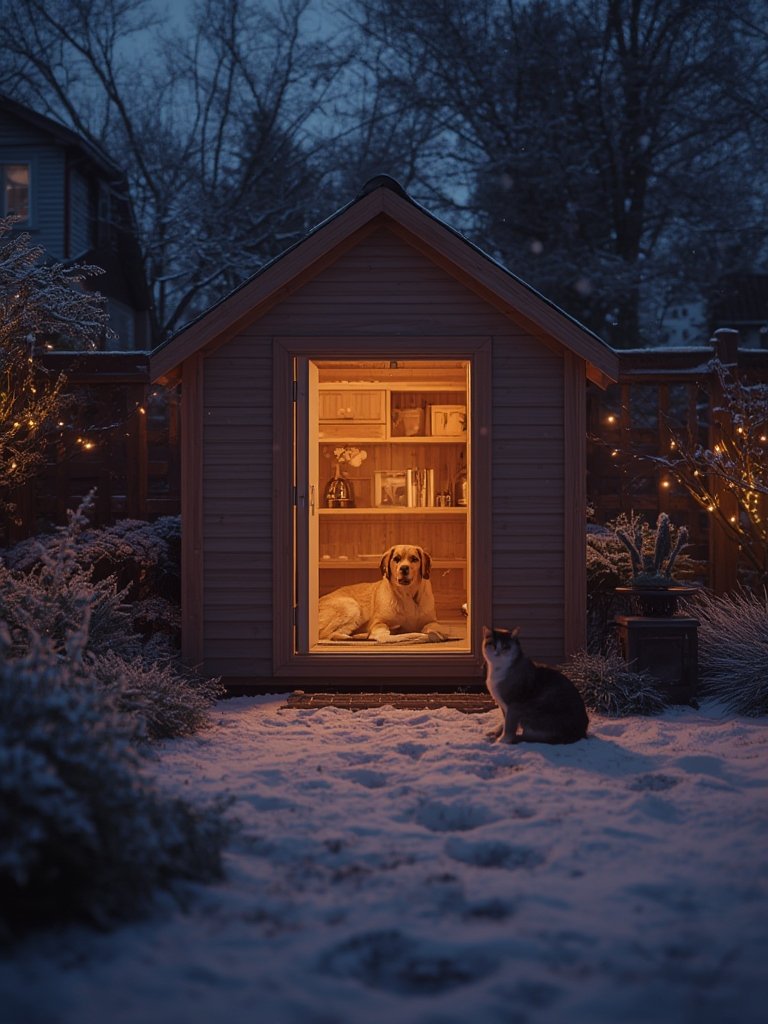
A heated outdoor pet house provides reliable warmth and protection for pets during cold weather.
However, choosing the right model requires attention to insulation quality, safety features, and long-term maintenance.
Taking time to evaluate these factors helps prevent common issues like moisture buildup or inconsistent heating.
Looking for more home and pet tech ideas? Browse our guides for the best smart pet feeders, automatic litter boxes, or dog enrichment toys to keep your pets happy and healthy indoors and out.
If you’re ready to invest in a heated outdoor pet house this season, compare features, prioritize safety, and give your pets comfort even in the coldest weather. Act now before winter demand peaks.
Frequently Asked Questions
How energy efficient are heated outdoor pet houses?
Most models use low-wattage heating pads or panels and cost only a few dollars per month to run. Premium models with thermostats or timers are more efficient, but actual usage depends on insulation, climate, and pet habits.
Is it safe to leave a heated pet house plugged in all winter?
It’s safe if the product has pet-specific safety certifications (like UL or CE), grounded cords, and automatic shutoff features. Always check wiring for damage and keep connectors protected from moisture.
What size house should I buy for my dog?
Choose a house large enough for your dog to stand, turn, and lie comfortably, but not so big that it loses heat. For a precise fit, measure your pet and compare with the product’s interior dimensions.
Can cats and small pets use heated outdoor pet houses?
Yes, but select units with lower heat output and adjustable controls. Cats and small animals may need extra insulation and a smaller entryway to retain heat.
Do these houses need extra maintenance?
Yes. Inspect heating elements regularly, clean bedding, and clear debris or fur that blocks vents or heaters. Regular checks will extend the house’s lifespan and keep it safe for your pet.
—