

Protecting your home’s sensitive electronics starts with a whole house surge protector. As power spikes and surges become more common, a main panel surge protector is one of the smartest electrical upgrades you can make—yet it comes with key challenges, cost realities, and important installation tips every homeowner needs to know.
Key Takeaways
- Investing in a whole house surge protector can prevent thousands of dollars in electrical damage and may lower your home insurance premium.
- Realistic installation costs range from $200–$900, and most systems require a licensed electrician.
- plug-in surge protectors don’t protect major appliances; whole-home coverage is essential for modern smart homes.
- What Is a Whole House Surge Protector & Why Does It Matter?
- Step-by-Step Guide: Choosing & Installing a Whole House Surge Protector
- Advanced Analysis & Common Pitfalls
- Conclusion
- FAQs
What Is a Whole House Surge Protector & Why Does It Matter?
A whole house surge protector is a device installed at your home’s main electrical panel to block dangerous voltage spikes before they spread to wiring, outlets, and appliances throughout the house. Unlike plug-in strips that only shield certain sockets, a main panel surge protector guards every circuit—including critical, hardwired systems like your HVAC, refrigerator, and oven. Power surges can stem from lightning, downed utility lines, or even internal issues like cycling motors on large appliances. The fallout can be severe: a single strong surge may mean replacing $10,000 or more in electronics in moments.
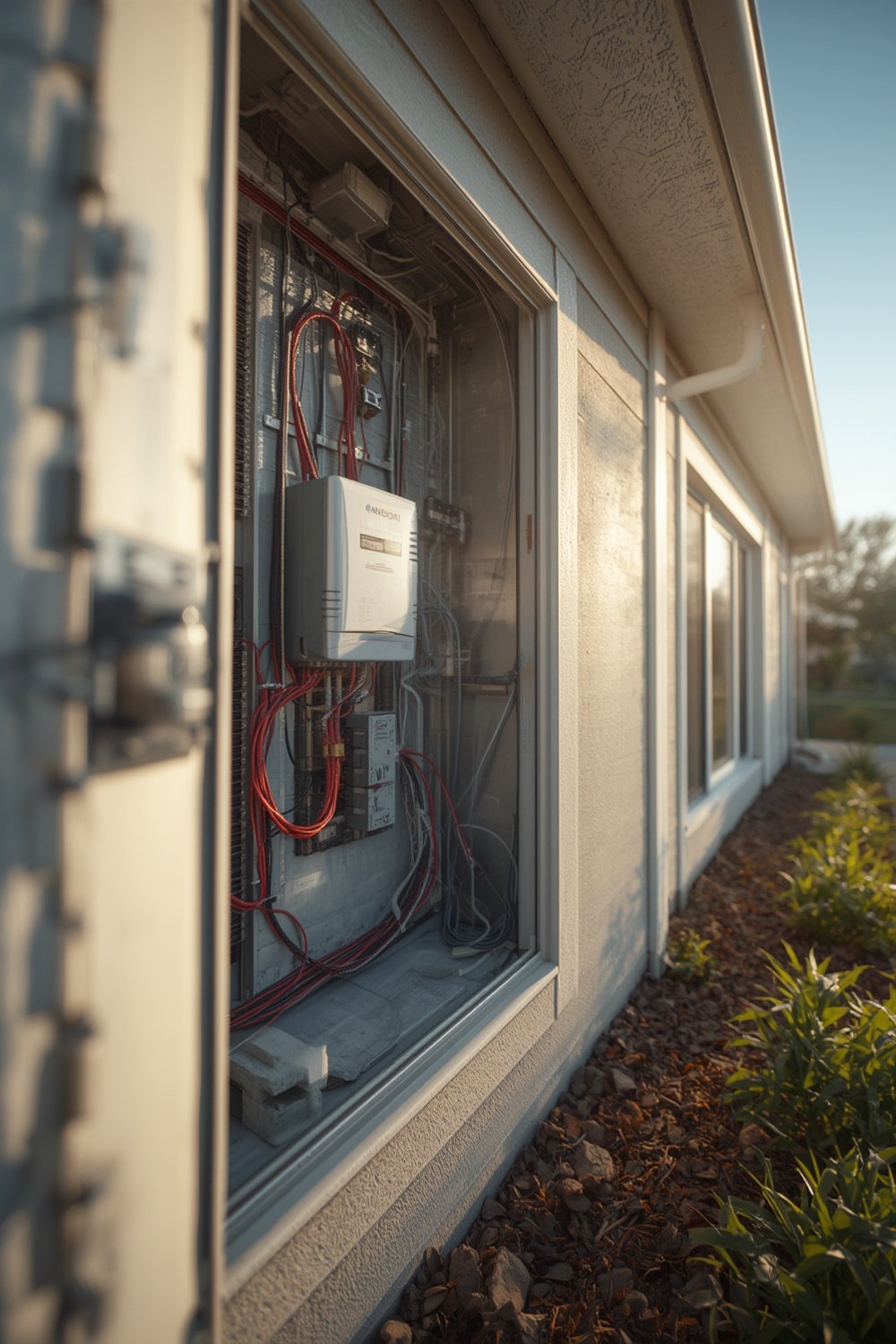
Savvy homeowners install whole house surge protectors for three main reasons:
- Peace of mind knowing every device and appliance is protected—not just the ones plugged into strips.
- Potential insurance discounts (up to five percent off your annual premium) with proper documentation.[source]
- Mitigating the huge costs and headaches of replacing essential household electronics after a major surge.
With the spread of smart home features—voice assistants, connected thermostats, and app-controlled gadgets—the risk and potential repair bill after a surge is climbing fast.
Step-by-Step Guide: Choosing & Installing a Whole House Surge Protector
- Audit Your Home’s Electrical Risks. List your major appliances and any smart home devices that are NOT covered by plug-in surge strips. Pinpoint which circuits are unprotected—HVAC, hardwired kitchen, laundry, network panels, etc.
- Research Model Options & Safety Certification. Look for units certified to UL 1449 Third Edition (or later). While this certification is industry standard, some off-brand models may skip it and offer inferior protection.
- Compare Warranty Terms & Manufacturer Support. Ten-year warranties are common, but “lifetime” or replacement coverage can vary wildly.[source] High-end brands may offer better customer support and faster replacement of damaged equipment.
- Set Budget Expectations Realistically. Expect to pay $200–$900 installed, with most homes landing near the $300 mark.[source] Factor in possible electrician hourly rates ($50–$100/hr), and the need for a panel upgrade or brief power shutoff if required by your local utility.
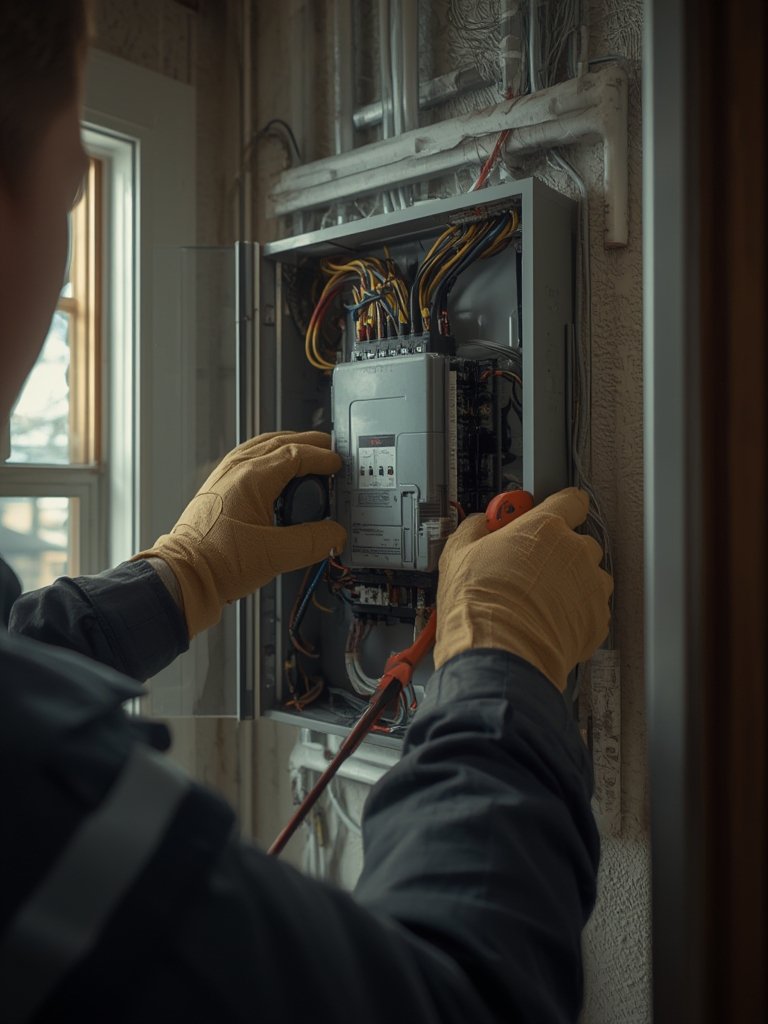
- Get Bids From Qualified Electricians. The main panel installation requires a pro. Ask each to confirm compatibility with your panel and inquire about experience with meter-based units (these sometimes need utility coordination).
- Book the Installation. The electrical panel will be shut off for safety. Most jobs take 1–2 hours for a skilled electrician. Ask for documentation you can submit to your insurer for possible premium discounts.
- Test and Monitor & Consider App-Based Integrations. Some new units may offer smart home integration—app monitoring, status notifications, or linking with smart thermostats and circuit sensors. If you’re investing in a smart home device, ensure your surge protection supports this level of connectivity.
For multi-pet or tech-heavy households, surge events can also knock out automated gadgets like your smart litter box or smart pet feeder. Electrically protecting your infrastructure means these tools keep working reliably—even when utility power doesn’t cooperate.
Advanced Analysis & Common Pitfalls
Key Real-World Problems & How to Dodge Them
- Upfront Cost Shock: Many homeowners are surprised that the initial bill can hit $300–$700 for pro-grade, main panel units with installation.[source] Sticker shock is a common reason some skip this crucial upgrade.
- Installation Hurdles: Some older homes need panel upgrades or even utility company coordination—meter-based units may require scheduling with your electric provider, pushing up costs and install time. Always verify compatibility in advance.
- Lifespan & Maintenance Uncertainty: Most main panel surge protectors have a 5 to 10-year life, but few units display visible “end of life” warnings. If you don’t test or replace them proactively, you may be unprotected without realizing it.
- No 100% Guarantee: Even the best whole house surge protector cannot provide absolute protection, especially against direct lightning strikes or catastrophic power events. Some homeowners mistakenly believe their plug-in surge protectors offer total coverage—but these do not protect hardwired appliances or entire circuits.[source]
- Missing Out on Insurance Benefits: To claim any insurance discount, you often must submit official documentation. Keep your installer’s receipts and model numbers for your records.
- Gap in Smart Home Integration: Many popular surge protectors don’t interface with modern smart home systems. If you’re adding devices like a WiFi-connected pet feeder or other home automation gadgets, check for app pairing or notification compatibility.
| Aspect | Whole-House Surge Protector | Surge Damage Replacement |
|---|---|---|
| Cost Range | $200–$900 (equipment + install)[source] | $10,000–$15,000+ per incident[source] |
| Examples | $300 average setup[source] | $11,000 (fridge, oven, etc.)[source] |
Comparison: Whole House vs. Plug-In Surge Protectors
- Plug-in units (like power strips) don’t cover hardwired equipment such as HVAC, appliances, or wired smart sensors.
- Main panel units offer comprehensive protection, including internal surges caused by faulty appliances.
- Neither guarantees protection against the most extreme events, but panel-based units greatly decrease risk and potential repair bills.

Conclusion
A main panel whole house surge protector remains one of the most cost-effective ways to prevent devastating electrical damage and large insurance claims in 2024 and beyond. While the initial investment is real, the peace of mind—and potential savings if disaster strikes—far outweighs the up-front cost. If you’re integrating smart home devices, adding new appliances, or already use gear like a LED garage lighting system or outlet extender surge protector, now is the time to choose the right whole house surge protector and get it installed by a professional. Prioritize models with solid warranty support and smart integration features, and always keep records for insurance benefits. Don’t wait for an outage or fried circuit—protect your investment and your peace of mind with a whole house surge protector today.
FAQs
How do I know if my home needs a whole house surge protector?
If you have multiple expensive appliances (HVAC, refrigerator, home office computers), live in an area prone to thunderstorms or utility outages, or use smart home devices, you should seriously consider a main panel surge protector. Plug-in strips only protect individual outlets and not your whole system.
Can I install a whole house surge protector myself?
It’s strongly recommended to hire a licensed electrician. Connecting a unit to your main service panel involves live circuits and must follow code. DIY attempts risk personal injury or a denied insurance claim.
How long does a main panel surge protector last?
Most units are rated for 5–10 years. Over time, each surge event degrades the components slightly. Some models have indicator lights, but plan to replace them at the end of their rated lifespan—even if the light stays green.
Does a whole house surge protector mean I don’t need plug-in strips?
No. While a whole house surge protector covers large surges, sensitive equipment like computers or home entertainment centers still benefit from the added layer of plug-in surge strips.
Will adding a surge protector reduce my homeowner’s insurance cost?
In some cases, yes. Homeowners have reported insurance discounts from 5 to 7 percent, but you’ll need proof of installation and should confirm with your agent in advance.
—