

Infrared patio heater electric wall mounted models are transforming outdoor comfort by delivering instant warmth without open flames or bulky propane tanks.
If you want reliable, energy-efficient heat on your terrace, balcony, or patio—without sacrificing space—it’s important to understand how these heaters work, their benefits, and what to consider before installation.
Key Takeaways
- Electric wall mounted infrared patio heaters offer fast, safe, and efficient outdoor heating, outpacing traditional propane models in growth and technology.
- Key differentiators include smart controls, weather-resistant materials, and wattages tailored for various outdoor spaces.
- Choosing the right location and ensuring secure, weatherproof installation are critical for optimal performance and long-term reliability.
- What Is a Wall Mounted Infrared Patio Heater and Why Use One?
- How to Install and Use an Electric Wall Mounted Infrared Patio Heater
- Advanced Analysis: Performance, Pitfalls, and Real-World Issues
- Conclusion
- FAQ
What Is a Wall Mounted Infrared Patio Heater and Why Use One?
An electric wall mounted infrared patio heater is a slim, weatherproof appliance designed to attach to an outdoor wall or vertical surface.
It works by emitting infrared rays that heat people and objects directly, rather than warming the surrounding air like traditional heaters.
Unlike propane models, which burn fuel and require refills, electric infrared heaters convert nearly all their energy into targeted heat—making them efficient and low maintenance.
The market for these heaters is growing rapidly. In 2024, the global electric patio heater sector—which includes wall-mounted infrared options—reached $1.36 billion and is projected to double by 2033 (source).
This growth outpaces that of propane heaters, as more homeowners want clean, instant heat with fewer emissions and easier controls. North America leads adoption, holding 38% of the market share in 2024, trailed by Europe at 29% (source).
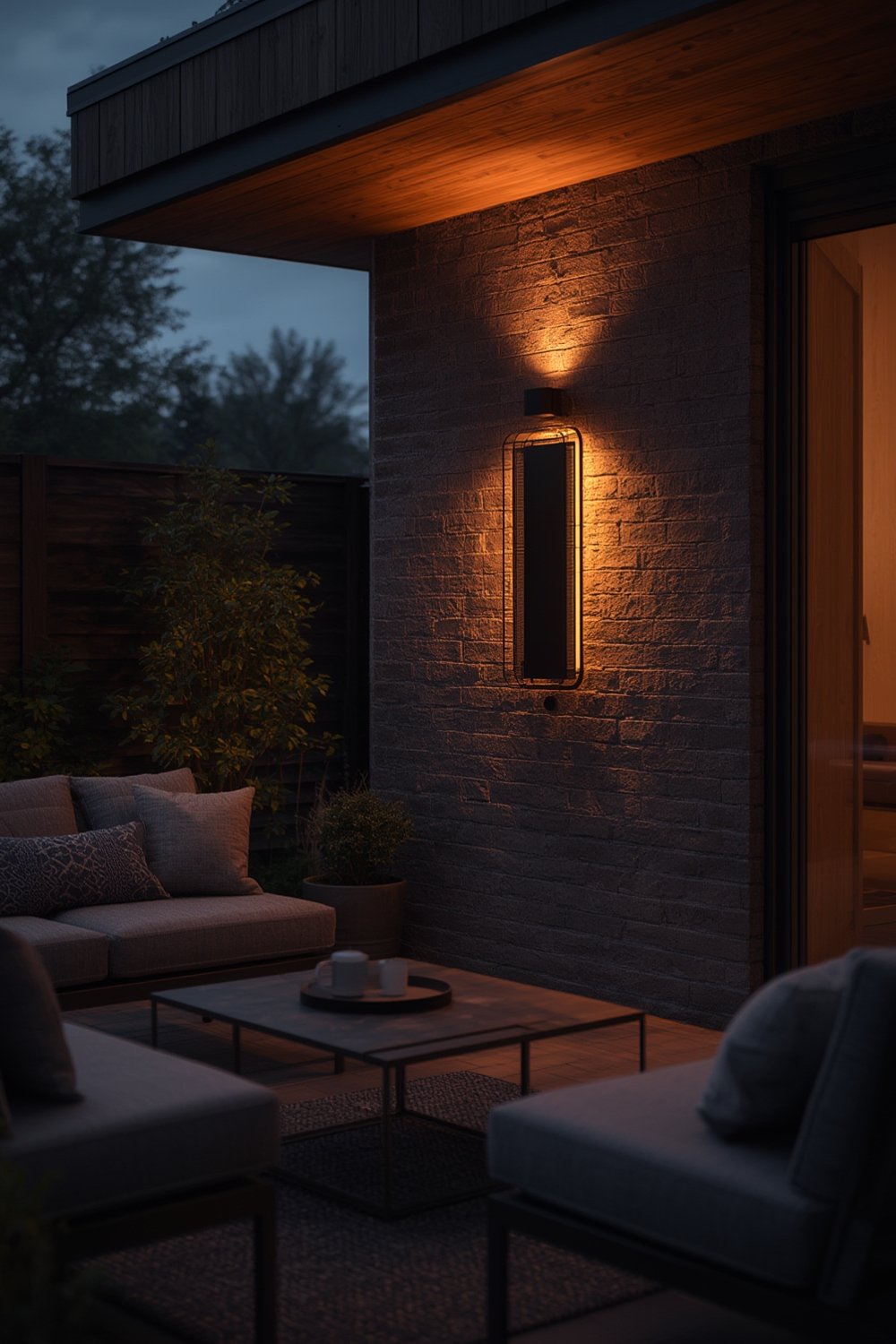
Most models range from 1000W to 2000W. Lower wattage units are ideal for small balconies, while higher-powered heaters can comfortably warm larger patios or decks.
Many modern units also include remote controls, timers, and smart features—bringing them closer to other connected home devices (source).
Safety is another key advantage. With no open flame, these heaters reduce fire risks, especially in homes with children or pets.
Wall mounting also keeps the unit out of reach and prevents accidental tipping. Most designs include waterproof, corrosion-resistant housings built for outdoor conditions.
For more on weather-resistant setups and pet-safe living, check our automatic litter box and dog enrichment toys guides.
How to Install and Use an Electric Wall Mounted Infrared Patio Heater
Follow these clear steps for safe installation and efficient operation:
- Plan Your Location
Pick a solid wall under a covered area, at least 6–8 feet above the ground. Avoid direct rain if possible, even for waterproof units, to prolong heater life. - Check Electrical Supply
Confirm your patio has a GFCI-protected outdoor outlet. Most 1500W–2000W heaters need a dedicated 120V or 240V line (check your model specs). Avoid using extension cords. - Unbox and Inspect
Open the package and verify all mounting brackets, hardware, and remotes are included. Inspect for any visible damage before proceeding. - Install Mounting Bracket
Mark drill holes with included template. Drill and secure the bracket using weatherproof hardware that fits your wall type—Install Mounting Bracket—concrete anchors or wood lag bolts. - Secure the Heater
Carefully lift and lock the heater onto the bracket. Use all provided safety fasteners and double-check stability. - Connect and Test
Plug into the outlet and test basic on/off functions. Try all settings—high, low, oscillation/angle adjustment, app, or remote. - Adjust for Comfort
Fine-tune angle and heat settings for best coverage. For large areas, consider installing two heaters at opposite ends. - Routine Maintenance
Unplug and wipe exterior with a soft, damp cloth monthly. Check mounting hardware and supply cord seasonally.
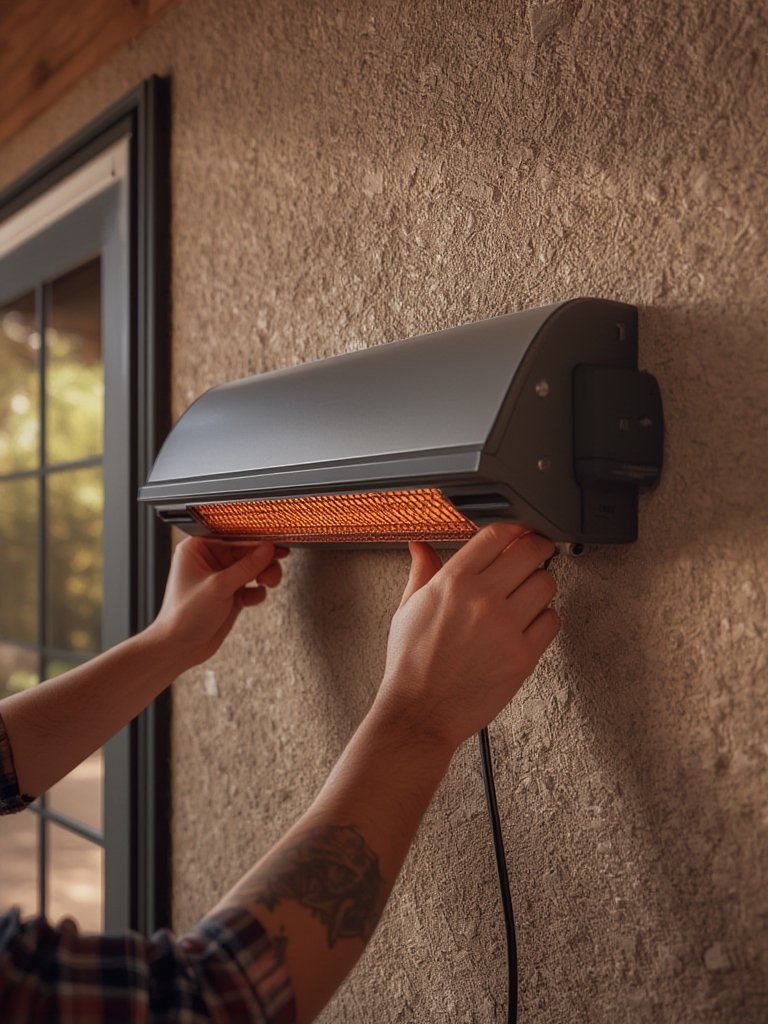
When integrating with a smart home setup, ensure your outdoor Wi-Fi signal reaches the heater location. For tips on optimizing your smart outdoors, see our smart sprinkler controller guide and outdoor modular furniture guide.
Want to streamline outdoor electrical work? Browse our outlet extender surge protector guide for safe expansion of your patio power sources.
Advanced Analysis: Performance, Pitfalls, and Real-World Issues
Before you buy, know the realistic pros, cons, and technical realities.
- Coverage Limitations: Wall-mounted infrared heaters provide directional, not ambient, warmth. Their effective heat zone is limited—usually 8 to 12 feet out. For large or open spaces, you may need multiple units or additional heaters.
- Installation Challenges: Fixed installation requires drilling and anchoring. Surface compatibility can be tricky on brick, stucco, or metal; water ingress may corrode fasteners over time if not properly sealed. No major user complaints are strongly reported, but professional mounting is advised for heavy units.
- Electricity Requirements: Higher wattage (1500W–2000W) units can overload old wiring or trip breakers if installed on shared circuits. Always use a GFCI outlet outdoors for safety.
- Weatherproofing: Units are marketed as weather-resistant, but not all have high IP (Ingress Protection) ratings. For true year-round use, confirm your model’s IP value and verify all cable entries are sealed.
- Running Costs vs. Propane: No precise data on cost of ownership is available. However, electric heaters are generally cheaper to run per hour than propane, though less powerful units will struggle in windy or very cold conditions. For a comparison of how modern electric devices stack up in real-world use, see our tankless water heater electric guide.
- Missing Data: Scientific temperature gain data and detailed regulatory impacts are absent in available research. Always check your local building codes before installation.
- Smart Features: The best models focus on app or remote control, silent operation, and programmable timers, but may lack third-party safety certifications (like UL or CSA) compared to premium indoor appliances (source).
| Feature | Infrared Patio Heater (Electric) | Propane Patio Heater |
|---|---|---|
| Installation | Wall-mount, fixed, safe for covered areas | Freestanding, portable, open flame |
| Running Cost | Low (kWh), cheaper for regular use | Higher, ongoing propane refills |
| Heating Speed | Instant, directional warmth | Ambient, takes longer to feel |
| Weatherproofing | IP-rated, but check model | Wind affects flame, not weatherproof |
| Maintenance | Minimal, wipe down & inspect hardware | Cylinder maintenance, more parts |
| Safety | No open flame, wall mounted out of reach | Flame, trip or tip danger |
Demand for energy-efficient electric wall heaters—especially models labeled as ‘eco’—is also rising, with 23% of heaters in the USA classified as eco-models in 2023 (source). These may offer rebates or qualify for green energy incentives, but check your local utility’s current offers.

Conclusion
Wall mounted infrared patio heater electric models offer a customized, modern solution for comfortable outdoor living in every season. With rapid growth, improved controls, and cleaner operation than propane, their appeal is clear—but you must plan installation and check key technical specs for best results. For smarter, more energy-efficient outdoor heating, upgrade to an infrared patio heater electric wall mounted system now. Ready to enjoy your patio in comfort year-round? Choose a reliable, efficient model and follow our installation steps for the best results.
FAQ
How much area does a wall mounted infrared patio heater cover?
Most models listed at 1500W–2000W will cover about 60–120 square feet. Effective warmth depends on placement, room configuration, and wind exposure.
Can I install an electric infrared patio heater outdoors without a roof?
You can, but it’s important to choose an IP65 (or higher) rated model for true weather resistance. Even then, longer life is achieved when mounted under eaves or some cover.
Are electric wall mounted patio heaters more efficient than propane heaters?
Yes, electric infrared heaters use nearly all their input energy for heat and do not waste energy through chimney loss or combustion. This can lower your outdoor heating costs over time.
Do I need a professional to install my wall mounted heater?
If you’re comfortable with basic wall mounting and have a safe outdoor outlet, DIY installation is possible. For major wiring, outdated circuits, or heavy models, use a qualified electrician.
Will my heater work with a smart home system?
Many new models have Wi-Fi or Bluetooth connectivity and can be controlled by apps or home assistants, but always verify compatibility before buying.