

If you’re searching for a durable, secure, and weather-resistant dog housing solution, choosing an outdoor dog kennel with roof is a smart move. Discover what matters most for pet safety, long-term value, and everyday convenience—plus honest downsides most brands won’t mention.
Key Takeaways
- Modern outdoor dog kennels with roofs combine weather resistance, secure escapes, and flexible assembly options.
- Key buying criteria include metal gauge, roof material, assembly process, and adherence to credible safety standards.
- Installation and long-term maintenance are often underestimated—know the pitfalls before investing.
- The Core Concept: What Makes an Outdoor Dog Kennel with Roof Unique?
- Step-by-Step Guide: Choosing and Setting Up Your Covered Outdoor Dog Kennel
- Advanced Analysis & Common Pitfalls
- Conclusion
- FAQ Section
The Core Concept: What Makes an Outdoor Dog Kennel with Roof Unique?
Outdoor dog kennels with a roof provide dogs with protection from harsh weather and a safe space to relax outside.
Unlike simple dog runs or uncovered enclosures, a roofed kennel guards against rain, intense sun, and even snow. This added protection helps extend the structure’s lifespan while keeping your pet comfortable.
Recent market reports show demand has risen significantly in the US and globally, driven by increased pet ownership and the need for durable outdoor housing. Weather-resistant, escape-proof models are now among the most popular features.
Pet owners are also looking for modular or portable designs, heavy-duty metal frames capable of containing large dogs, and kennels simple enough for DIY installation.
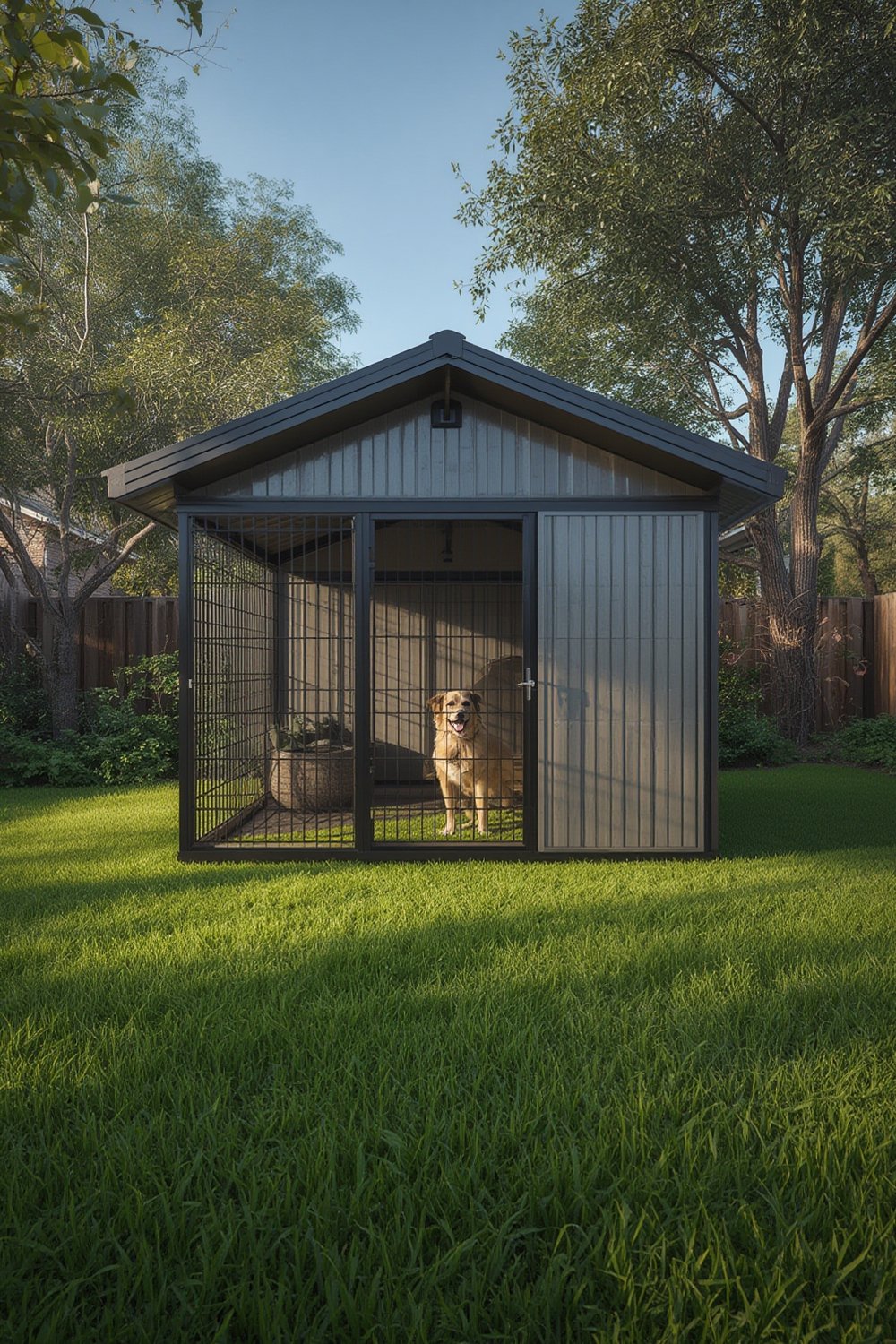
Many manufacturers now offer purpose-built outdoor enclosures with integrated weather protection.
For many families, a covered kennel provides both peace of mind and practical convenience—keeping pets safe while reducing indoor mess and clutter.
Curious about how to choose, install, and maintain the right kennel type? Let’s break it down in detail.
Step-by-Step Guide: Choosing and Setting Up Your Covered Outdoor Dog Kennel
- Measure Your Space and Dog’s Size
Always start by measuring the available yard or patio area and your pet’s adult size. Big dogs often need larger, tall-walled kennels. - Select the Right Material
Look for galvanized steel with a rust-proof coating; this is the industry standard for durability and weather resistance. Wood and plastic kennels offer a different look but often require more maintenance or offer less security for strong, determined dogs. - Check Roof Design and Materials
Roofs must handle local weather—heavy rain, snow, or UV. Corrugated metal and UV-stabilized polyethylene panels are top options for all-seasons protection. - Review Security and Assembly Features
Lockable gates and escape-proof latches should be standard. Opt for modular or tool-less assembly if DIY skills or time are limited—especially if portability is important. - Compare Technical Specs
Gauge of metal (lower number means thicker, e.g., 14-gauge better than 18), roof panel resistance, fastener quality, and certified standards all matter. - Install with the Correct Tools
Gather the necessary equipment: sturdy gloves, wrench set, drill/driver (for heavy models), and a friend to help lift panels. - Test for Stability and Leaks
After setup, check all joints and roof seams. Spray with a hose (or wait for a rainstorm) to verify leak resistance. - Create a Comfortable Kennel Interior
Add a raised bed, shade cloth, or insulated mat based on your dog’s comfort needs. Keep water available at all times—consider a quiet pet fountain for hot climates. - Plan Routine Maintenance
Set a schedule for deep cleaning, checking roof bolts, and rust-spotting. Clean metal surfaces with a mild detergent and inspect for corrosion monthly—especially after winter.
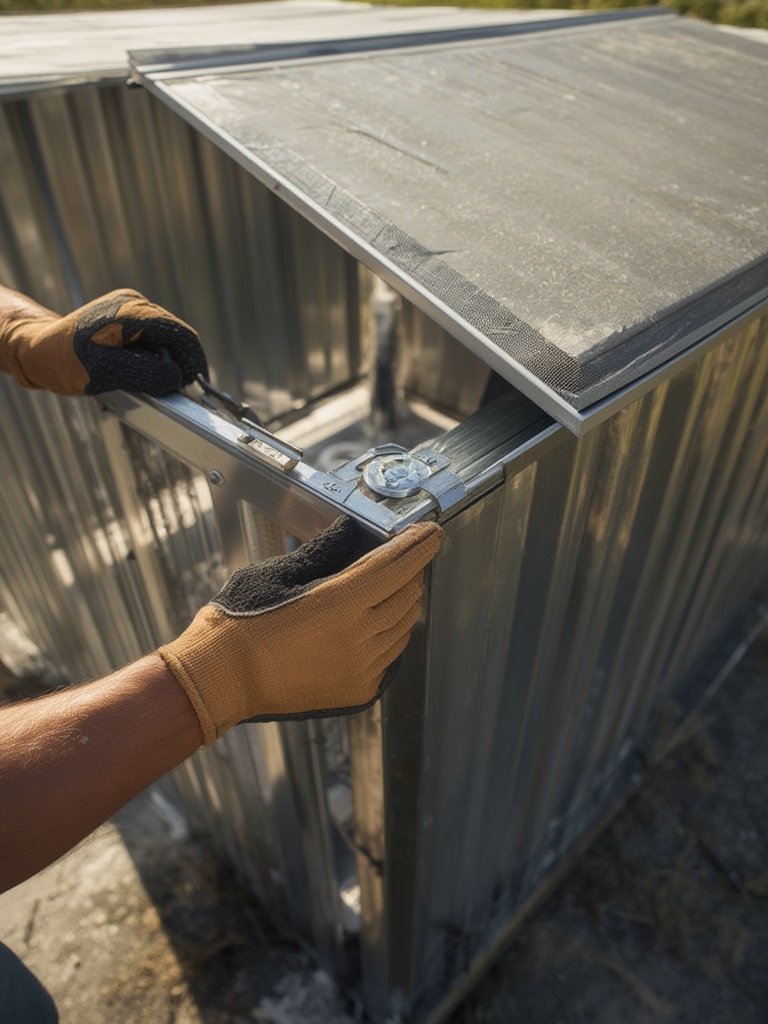
Along the way, compare how different kennel models address ease of assembly.
Collapsible designs can reduce setup time dramatically—sometimes requiring minutes instead of hours.
For complex kits, some manufacturers provide video tutorials or direct phone support during installation.
If your dog tends to escape or suffers from separation anxiety, enrichment items can help prevent boredom.
Try boredom toys for dogs or a calming lick mat to keep them mentally stimulated while using their outdoor space.
Advanced Analysis & Common Pitfalls
Even with strong products, realistic challenges emerge during buying, installation, and ownership. Based on recent industry findings, here’s what smart buyers must watch for:
| Potential Issue | What to Watch For | Avoidance Tips |
|---|---|---|
| Frame Weakness / Poor Roof Sealing | Thin-gauge metal, loose joints, or exposed fasteners | Choose heavy-gauge steel (14 preferred), inspect all joints, apply sealant post-install |
| Rust & Corrosion | Paint chipping, scratches, location near sprinklers or ocean | Galvanized/treated metal, routine rust checks, and spot painting |
| Confusing Assembly | Sparse instructions, missing hardware, unclear diagrams | Research user reviews, verify parts count, ask for manufacturer support |
| Lack of Safety Certification | No mention of ASTM, ISO, or third-party weather testing | Look for compliance (e.g., ASTM F1873), request documentation if unclear |
| Maintenance Neglect | Ignored roof bolts, leaves on roof, uncleaned bedding | Monthly cleaning, bolt checks, remove debris after storms |
| Underestimated Costs | Larger, heavier-duty models often cost more than expected—especially for all-weather features | Confirm included features, compare brands (e.g., Gunner Kennels), and factor installation labor if not DIY |
Missing certifications and unclear safety information remain real concerns.
Many kennel manufacturers do not publicly list ASTM F1873 or ISO testing standards. If safety certification matters, request documentation from the seller before purchasing.
Outdoor installations also require regular maintenance.
Leaves, snow, and dirt can accumulate on the roof or inside the enclosure. Even galvanized steel benefits from occasional cleaning and inspection to maintain long-term durability.
If you want easier maintenance and better drainage, consider installing pet-friendly synthetic turf beneath the kennel. This helps reduce mud and simplifies cleanup.
For dogs spending extended time outdoors, additional cooling or shade may also be necessary during warmer months.
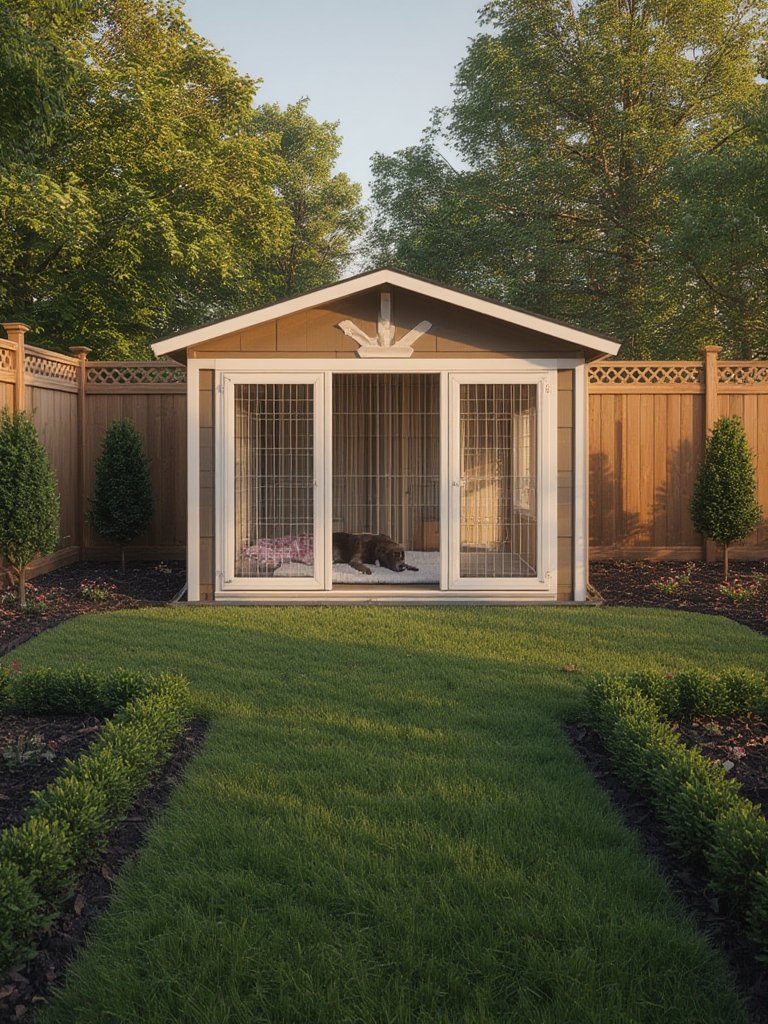
If you anticipate long hours outside for your pet, add extra heat protection or a dog cooling vest in summer.
Finally, always include an ID tag and consider a backup system like a wireless GPS dog fence for extra peace of mind in case of accidental escapes.
Conclusion
An outdoor dog kennel with roof remains one of the simplest, safest ways to give your dog secure outdoor time year-round. The market is expanding quickly, offering everything from portable foldable options to heavy-duty metal solutions—so buyers need to focus on material quality, real assembly demands, and ongoing maintenance.
Whether you need a short-term run or a permanent, weatherproof enclosure, your best choice is an informed one. Compare specs, plan maintenance, and always ask questions about safety testing and certifications before purchasing an outdoor dog kennel with roof. Ready to upgrade your outdoor setup? Explore your options today and keep your dog happier and safer outside.
FAQ Section
What’s the best material for an outdoor dog kennel with roof?
Galvanized steel is best for strength, rust resistance, and weather durability. For lighter duty, heavy-duty plastic or treated wood are options but usually require more upkeep.
How do I prevent leaks or water pooling in my kennel?
Check all seams and roof joints during installation, use waterproof caulk for gaps, and keep the roof clear of snow and debris. Sloped roofs shed water better than flat designs.
How much does a weatherproof outdoor kennel with a roof cost?
Prices vary by size, features, and material. Expect $200-$600 for small to mid-size steel models, and up to $1,500 or more for large, commercial-grade builds with premium features. Factors like thicker metal, escape-proof panels, and modularity also increase cost.
Do outdoor kennels require certifications for safety?
There’s no universal mandate, but ASTM F1873 and relevant ISO standards indicate higher safety and weather resistance. If buying for a business, check with local requirements or professional associations.
How often should I clean and inspect my kennel?
Inspect for rust, loose bolts, and leaks monthly. Clean bedding and surfaces at least weekly or more often in wet or muddy conditions.