

Finding the best automatic cat litter box 2026 can dramatically simplify daily pet care for busy cat owners. Modern self-cleaning litter boxes promise less scooping, better odor control, and improved hygiene.
However, choosing the best automatic cat litter box 2026 requires careful research. As the market grows rapidly, many models offer impressive features but vary widely in reliability and maintenance needs.
For households with multi-cat households, selecting the best automatic cat litter box 2026 becomes even more important for keeping litter areas clean and stress-free.
Key Takeaways
- The automatic cat litter box market is experiencing rapid global growth, led by smart features and multi-cat compatibility.
- High upfront and ongoing costs remain barriers; buyers must evaluate maintenance and replacement part expenses before purchasing.
- User data on 2026 models is sparse—focus on warranty, odor control, and integration features when comparing automatic litter boxes.
The Core Concept: What Makes an Automatic Cat Litter Box Best in 2026?
An automatic litter box uses sensors, motors, and sometimes smart connectivity to remove waste automatically after your cat uses the tray.
The best automatic cat litter box 2026 models combine reliable self-cleaning mechanisms with odor control and easy maintenance.
In recent years, manufacturers have introduced features such as:
- Motion sensors that detect when a cat exits the box
- Automatic raking or rotating cleaning systems
- Wi-Fi connectivity and mobile app alerts
- Sealed waste compartments for odor control
These innovations are driving rapid growth in the smart pet care market.
According to industry data, demand is rising particularly inz multi-cat households and urban living, according to Grand View Research and Technavio.
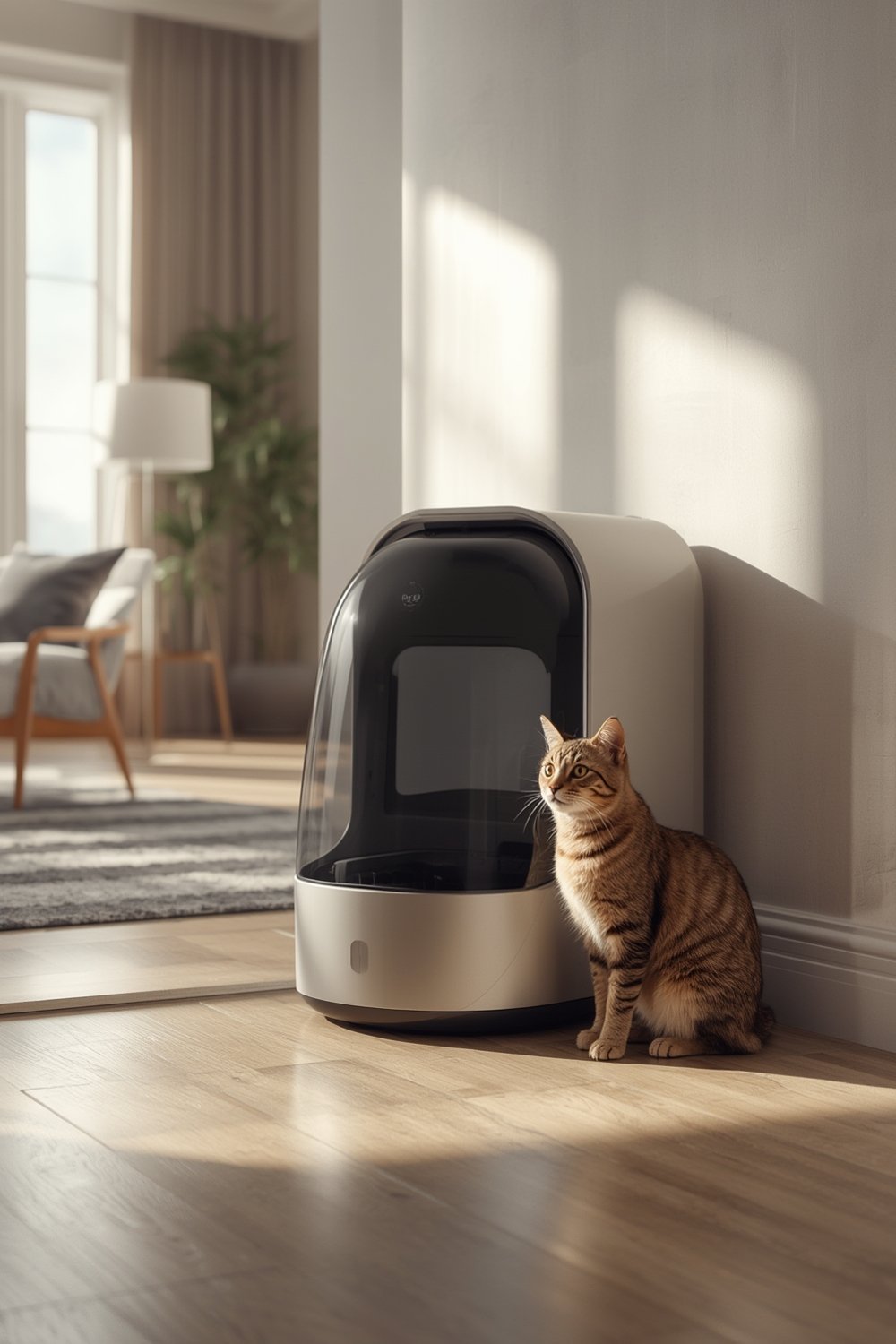
Despite the advanced technology, even the best automatic cat litter box 2026 still requires occasional maintenance.
Owners must periodically replace litter, empty waste containers, and clean sensors to ensure reliable operation.
The advantage is consistency. The best automatic cat litter box 2026 provides frequent cleaning cycles that maintain a hygienic litter environment throughout the day.
Smart features—such as notifications when a cleaning cycle completes or alerts when waste containers are full—are now common in premium models.
These features help the best automatic cat litter box 2026 stand far ahead of traditional manual litter boxes.
Demand for these smart solutions reflects the broader rise of connected pet devices, including app controlled pet feeders and smart litter boxes more broadly.
Market projections highlight how quickly adoption is expanding.
The global automatic self-cleaning litter box market is expected to grow by USD 680.7 million between 2024 and 2029 (Technavio).
Meanwhile, the 2026 smart cat litter box market is projected to exceed $1.3 billion globally.
With so many new models launching each year, choosing the best automatic cat litter box 2026 means understanding which features actually improve daily pet care.
Step-by-Step Guide: How to Choose and Set Up the Best Automatic Cat Litter Box in 2026
Automatic cat litter boxes are easier to use than ever, but the buying and setup process remains crucial. Here’s how to do it right:
- Define Your Needs: Count your cats. Multi-cat households require boxes with larger waste bins and quicker cleaning cycles. If you have kittens or seniors, prioritize safety sensors and “gentle” cleaning modes.
- Set a Realistic Budget: Prices range widely. Factor in initial cost, proprietary tray or liner refills, odor control cartridges, and expected maintenance. According to industry analysis, high maintenance costs are the biggest adoption barrier.
- Compare Smart Features: Look for WiFi/app integration for remote alerts, usage logs, or troubleshooting help. Some boxes now offer voice assistant compatibility or remote lockout if you’re traveling. For similar tech, see our guide to the automatic cat feeder for multi-pet households.
- Measure Your Space: Many top models are large, especially those with fully enclosed drums. Ensure enough floor space and clearance for door swings or waste drawer access.
- Read the Setup Manual: Thoroughly unpack and assemble the box. Attach any Wi-Fi enabled modules and download the companion app.
- Test Sensors and Cycle: Follow setup prompts. Some boxes require running a “test” clean to calibrate sensors before regular use.
- Gradual Cat Introduction: Place your old box next to the new one for a few days, then remove old litter gradually. Use treats or catnip to encourage exploration and reduce stress.
- Monitor the First Week: Watch for alerts about jams, full waste drawers, or error codes. Empty trays and clean surfaces regularly (most recommend 1–2 times per week in multi-cat households).
- Schedule Ongoing Maintenance: Mark your calendar for component cleanings and filter/cartridge replacements. Failure to keep up can lead to blockages or odors—even in premium models.
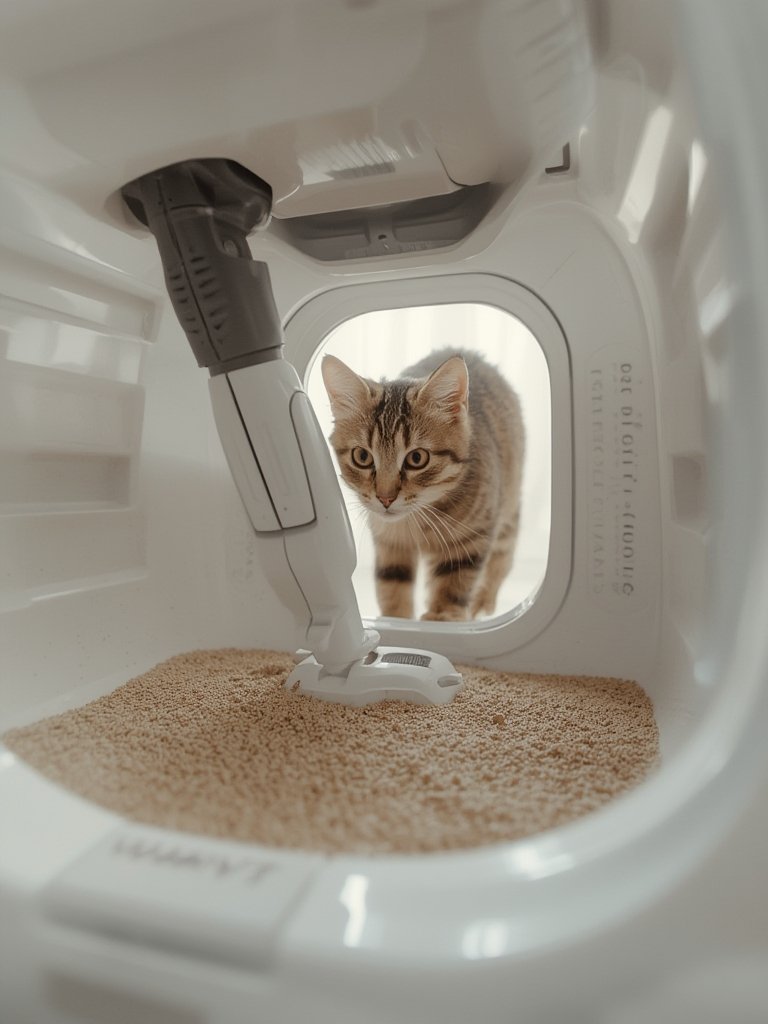
For more guidance on modern convenience and smart pet routines, review our detailed automatic litter box buying guide and discover enrichment ideas from dog enrichment toys—many cat owners find interactive toys help cats adjust to new tech in the home.
Advanced Analysis & Common Pitfalls
Reliable independent reviews of specific 2026 models are still limited. However, market data, existing user reports, and expert insights point to several common pitfalls when choosing and running these devices:
- High Ongoing Costs: Nearly all leading models require proprietary trays, liners, or filter cartridges. Costs can quickly add up, so tally expected refills for a full year before buying.
- Large Footprint: Enclosed, high-tech boxes often need more room than you expect. In smaller spaces, this can create obstacles or unwanted smells if placed too close to living areas. Explore storage solutions and cat-friendly furniture—like those in our cat sofa guide—to optimize your setup.
- Connectivity Gaps: WiFi/app integrations are hit or miss. Some brands offer only minimal alerts or delayed log updates. Other devices are prone to disconnections in “dead zones.” Place your box near a strong Wi-Fi signal, or choose models with Bluetooth fail-safes.
- Noisy Cleaning Cycles: Mechanical rakes and drums can startle cats or interrupt quiet living. Look for noise level specs—anything above 50 dB may bother sensitive pets.
- Sensor Errors: Dense clumps or missed waste can cause jams or errors, especially with less absorbent litter. Some cats refuse to use the box if odor or debris remains.
- Warranty Limitations: Review warranty exclusions—damage from “inappropriate” litter material or poor maintenance is often not covered.
| Feature | Why It Matters | Potential Drawback |
|---|---|---|
| WiFi/App Control | Helps monitor usage, empty trays, and resolve jams remotely. | May be unreliable in low-signal areas; not all brands offer robust integrations. |
| Battery Backup | Keeps litter box functional during power outages. | Often requires optional purchase. Some competitor articles skip this feature entirely. |
| Multi-Cat Compatibility | Faster cycles and bigger bins are essential, as multi-cat homes are the fastest-growing segment (Grand View Research). | Boxes not designed for multiple cats jam more easily or smell faster. |
| Advanced Odor Control | Filters and sealed bins fight litter box smells. Newer smart boxes add auto-sealing and airflow management (Technavio). | Proprietary filters increase ongoing cost. |
| Warranty | Key for peace of mind on advanced electronics and moving parts. | Avoid models with less than 12-month coverage; limitations may apply for certain types of use. |
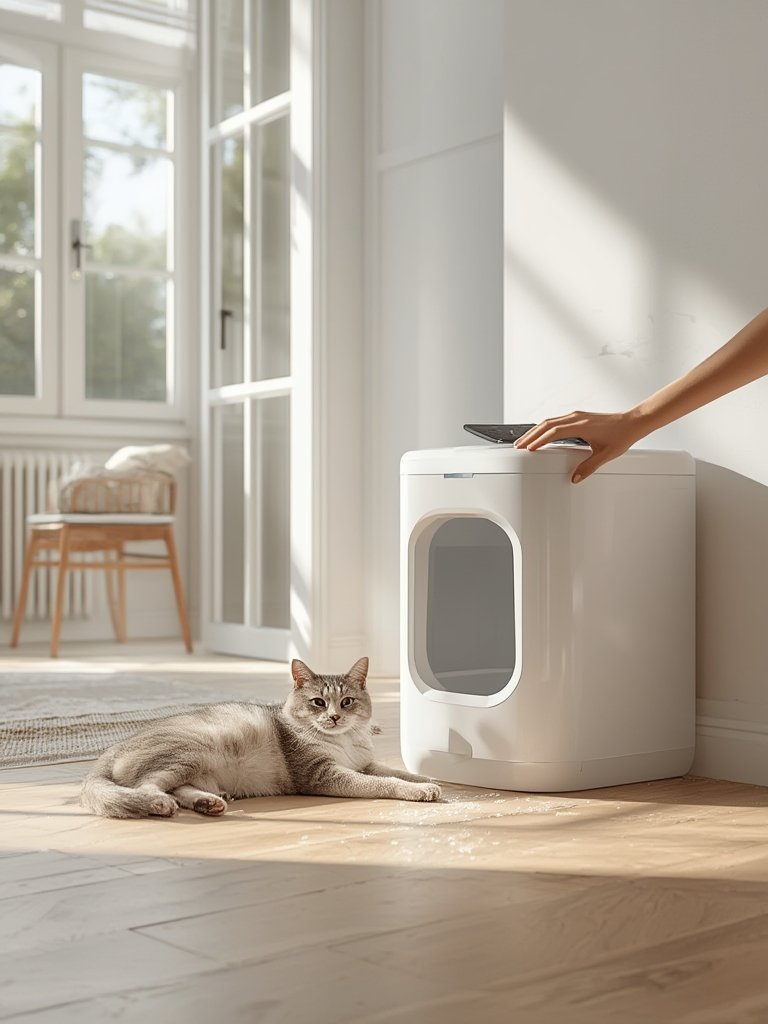
If you want a broader look at app-based innovation in the pet industry, visit our resource on the wireless GPS dog fence—a similar market undergoing rapid change thanks to smart home technologies.
Conclusion
The best automatic cat litter box 2026 solutions offer a powerful combination of convenience, hygiene, and smart technology.
However, not every self-cleaning litter box delivers a truly hands-off experience.
When choosing the best automatic cat litter box 2026 , consider cleaning reliability, odor control, maintenance costs, and compatibility with multi-cat homes.
Carefully compare warranty coverage and ongoing accessory costs before making your final decision.
If you want to automate even more aspects of pet care, explore our guides on the pet water fountain and smart pet feeder for additional smart pet technology ideas.
Investing in the best automatic cat litter box 2026 today can create a cleaner home and a more comfortable routine for both you and your cats.
FAQ
Do automatic cat litter boxes really eliminate manual scooping?
Automatic litter boxes significantly reduce the need for manual scooping, but some maintenance is still required. You’ll need to empty the waste tray, clean sensors, and occasionally remove missed clumps or resolve jams, especially in multi-cat households.
What should I budget for annual maintenance and consumables?
Ongoing costs vary widely based on model. Plan for proprietary liners, filters, or deodorizing cartridges—totaling anywhere from $80 to $250 per year. Special models may also require additional sensors or tray replacements over time.
Are smart features like app integration and WiFi necessary?
They aren’t strictly required, but WiFi/app connectivity is useful for real-time alerts, usage logs, and remote support. In 2026, these features are increasingly common, especially in higher-end models.
How do I know if a box is safe for kittens or senior cats?
Look for models with sensitive sensors, gentle cleaning cycles, and entry points low to the ground. Always supervise initial use and choose a unit that won’t cycle while a cat is inside.
Can two cats share one automatic litter box?
Yes, if you choose a model rated for multi-cat use—with larger bins and faster cleaning cycles. However, experts often recommend providing one box per cat plus an extra whenever possible for optimal feline health.
—