

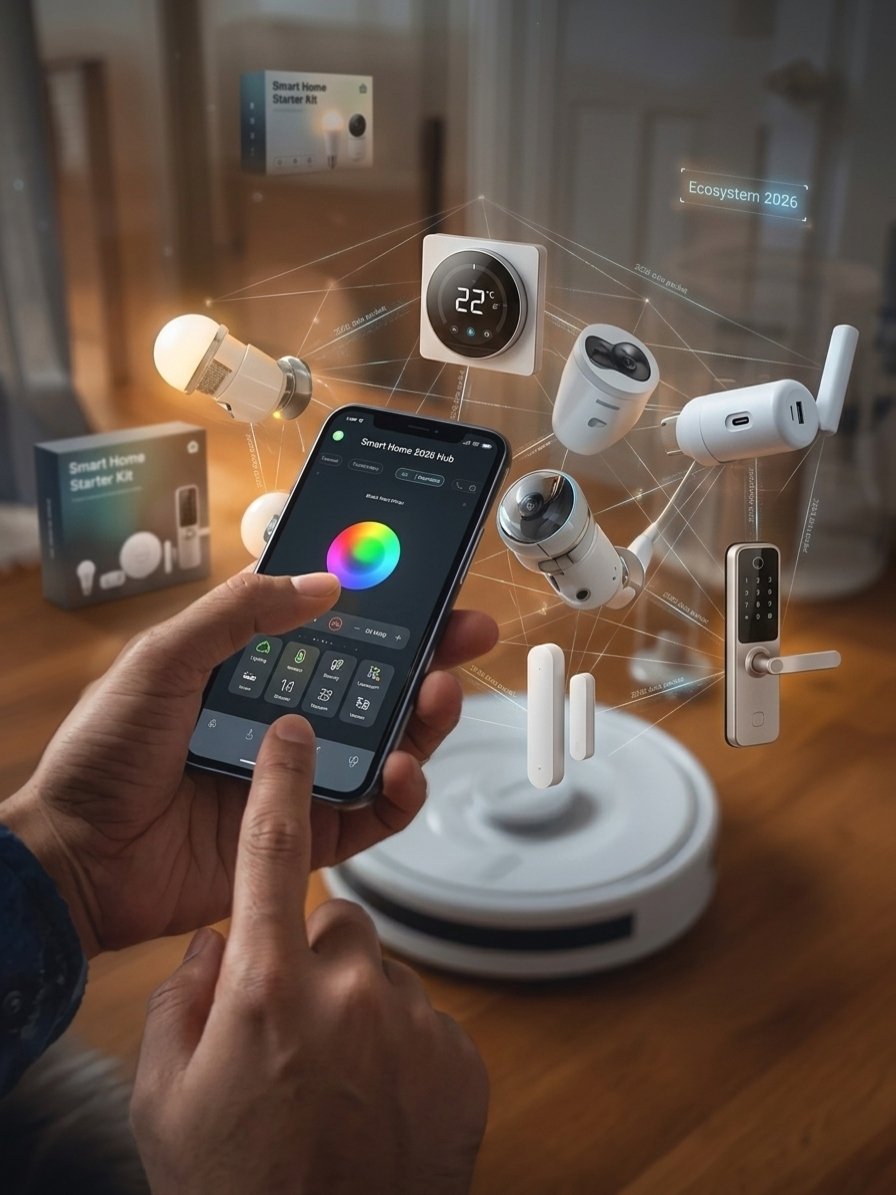
Smart home devices worth buying are no longer just futuristic gadgets—they’re now practical tools that make homes safer, more efficient, and more comfortable. Many homeowners searching for smart home devices worth buying are overwhelmed by the number of options on the market today.
From energy-saving thermostats to intelligent security systems, the best smart home devices worth buying deliver real value and convenience in everyday life. Homeowners and renters alike face hundreds of choices, but which products truly offer reliability, performance, and long-term satisfaction? Here’s what you actually need to know before investing in smart home devices worth buying.
Key Takeaways
- The global market for smart home devices is booming, driven by demand for convenience, energy savings, and integration across platforms like Alexa, Google Home, and Apple HomeKit.
- Major pitfalls include compatibility headaches, security concerns, and unpredictable costs—so make interoperability and ongoing costs a top priority when evaluating devices.
- Innovative upgrades for 2026 will be powered by AI-driven automation, energy-efficient appliances, and seamless wireless standards such as Thread and Zigbee.
- What Makes Smart Home Devices Worth Buying?
- Step-by-Step: How to Build a Smart Home Setup That’s Actually Worth It
- Advanced Analysis & Common Pitfalls
- Conclusion
- Frequently Asked Questions
What Makes Smart Home Devices Worth Buying?
Not all smart technology deserves a place in your home. The smart home devices worth buying are those that solve real problems—saving energy, improving security, or simplifying daily routines.
A device becomes truly valuable when it integrates smoothly with your existing ecosystem, whether that’s Alexa, Google Assistant, or Apple HomeKit. The most useful smart home devices worth buying enhance your lifestyle without adding complexity or frustration.
But with new wireless standards (like Zigbee, Z-Wave, and Thread), voice assistant integrations, and AI-powered automations becoming standard, it’s easy to get lost. In 2024, the global smart home market is worth up to USD 70-121 billion and could soar to nearly USD 1.4 trillion by 2034. Growth is fueled by residential demand for security, convenience, and energy-efficient solutions. But picking devices blindly risks wasted money and endless setup headaches.
To avoid regret, focus on devices with proven cross-platform compatibility, rock-solid privacy protections, and support from top brands such as Amazon, Google, Apple, Samsung, Philips, and Honeywell. Most importantly, target products that deliver real daily improvements—think Smart thermostats, smoke detectors, and security cameras, not flashy but impractical gadgets.
Step-by-Step: How to Build a Smart Home Setup That’s Actually Worth It
If you’re starting from scratch or expanding, follow these actionable steps to ensure every smart home device is worth the investment:
- Define your core needs. Are you looking to cut electric bills, improve security, or just add some convenience? Make a priority list.
- Audit your current devices and systems. Identify which voice platforms (Alexa, Google Home, Apple HomeKit) you already use. Check your Wi-Fi and if you need a smart hub or bridge for protocol compatibility.
- Start with the essential devices. Most households get the biggest impact from:
- Smart thermostats for energy savings
- Smart locks for security and convenience
- Smart smoke detectors for safety
- Video doorbells and security cameras (solar-powered models are trending for low maintenance)
- Smart lights (bulbs, switches, and sensors)
- Research for compatibility and integration. Look for the official “Works with Alexa / Google / Apple” badges. If you use multiple ecosystems, prioritize devices supporting all major platforms and open standards like Matter and Thread to future-proof your setup.
- Calculate true costs. Budget both up-front price and ongoing costs: check if subscriptions are required for cloud storage, premium features, or regular firmware updates.
- Read real reviews and support policies. Since independent verified satisfaction ratings aren’t widely published, rely on major retailers and forums for realistic setup and support expectations.
- Expand mindfully. Once basics are covered, consider adding:
- Robotic vacuums and mops (see 2026 models)
- Smart pet feeders (find the right fit for your pets and schedule)
- App-controlled sprinklers, curtains, blind motors, and more for convenience and improved sustainability
When you target must-have devices first, compatibility and value become much easier to achieve. Investing wisely here also prepares your system for upcoming improvements, such as AI-driven automation, deeper platform integration, and more responsive wireless sensors—technologies expected to redefine the “smart home devices worth buying” list by 2026.
Advanced Analysis & Common Pitfalls
Even the smart home devices worth buying can come with challenges that buyers often underestimate. Understanding these potential issues helps you choose smart home devices worth buying that truly improve daily life instead of creating new frustrations.
- Compatibility headaches: Many manufacturers claim their products are among the best smart home devices worth buying because they support multiple ecosystems. However, real-world integration isn’t always perfect. Before investing in smart home devices worth buying, confirm compatibility with your preferred platform such as Alexa, Google Assistant, or Apple HomeKit. You may also need additional hubs or bridges for full functionality.
- Security and privacy risks: When choosing smart home devices worth buying, security should be a top priority. Any connected device can become a potential attack surface if poorly secured. Always choose trusted brands, enable two-factor authentication, and avoid products with unclear privacy policies.
- Setup frustrations: Some products advertised as smart home devices worth buying still require complicated app setups, firmware updates, or repeated resets. Checking real customer reviews can reveal whether installation is simple or frustrating.
- Ongoing costs and hidden fees: Even some of the best smart home devices worth buying charge ongoing subscription fees for features like cloud video storage, advanced analytics, or automation tools. Always calculate the total cost of ownership, including batteries, subscriptions, and maintenance.
- Short product lifecycles: Technology moves quickly, and some manufacturers abandon older models soon after launching new versions. When choosing smart home devices worth buying, prioritize brands that provide long-term software updates and reliable warranties.
| Factor | What to Watch For | How to Minimize Risk |
|---|---|---|
| Upfront Costs | Low initial price but costly required accessories or hubs | Read full product descriptions and bundles before buying |
| Ongoing Costs | Required cloud subscriptions, battery replacements | Confirm if features are free or paywalled; check battery reviews |
| Compatibility | Limited support for your voice assistant or platform | Search for official compatibility badges and open standards |
| Security | Poor update track record or privacy policies | Pick top brands; look for committed security practices |
You can also find smart home products in specialty categories, like GPS dog fences or automatic litter boxes, which must be carefully vetted for app and wireless compatibility, plus pet safety features. The same rules apply: prioritize rock-solid security, open standards, and honest cost analysis.
For those seeking to prioritize sustainability, devices like smart sprinkler controllers and electric water heaters use smart scheduling and mobile alerts to cut utility bills and reduce waste, but may also require device-specific apps or compatible hubs for full remote control.

Conclusion
The smart home devices worth buying are those that combine easy integration, real energy savings, strong privacy protections, and dependable long-term support. As the smart home industry continues to expand, buyers should focus on devices that genuinely improve daily life.
When evaluating smart home devices worth buying, watch for common pitfalls like compatibility problems, hidden subscription fees, and limited software support. Choosing trusted brands with cross-platform compatibility—or open standards such as Matter and Thread—helps ensure your smart home system continues working smoothly for years.
If you’re ready to upgrade your living space, start with smart home devices worth buying that deliver real value, better security, and meaningful convenience. The right technology should make everyday life easier, safer, and more efficient.
Frequently Asked Questions
How do I know if a smart device will work with my current system?
Check the official compatibility list for your chosen ecosystem, such as Alexa, Google Home, or Apple HomeKit. Look for devices with official compatibility badges, and if you use multiple platforms, prioritize Matter or Thread support for broad interoperability.
Are there ongoing costs with smart home devices?
Yes, some devices require ongoing subscription fees for features like cloud video storage, advanced automation, or security alerts. Also, factor in costs for replacements (batteries, filters) and possible future upgrades.
What devices should I start with for my smart home?
Begin with essentials that deliver clear value and safety, such as smart thermostats, smart locks, smoke detectors, and video doorbells. Expand gradually with additional devices targeting energy savings, pet care, or entertainment.
How can I avoid compatibility headaches as new standards roll out?
Stick with devices from established brands and those adopting open protocols like Matter and Thread. A smart home hub or bridge can also help unify devices from different manufacturers under a single control interface.
Is smart home tech safe from hackers?
No device is fully immune. Reduce risks by buying from brands with strong security commitments, enabling two-factor authentication, and promptly installing software updates.