

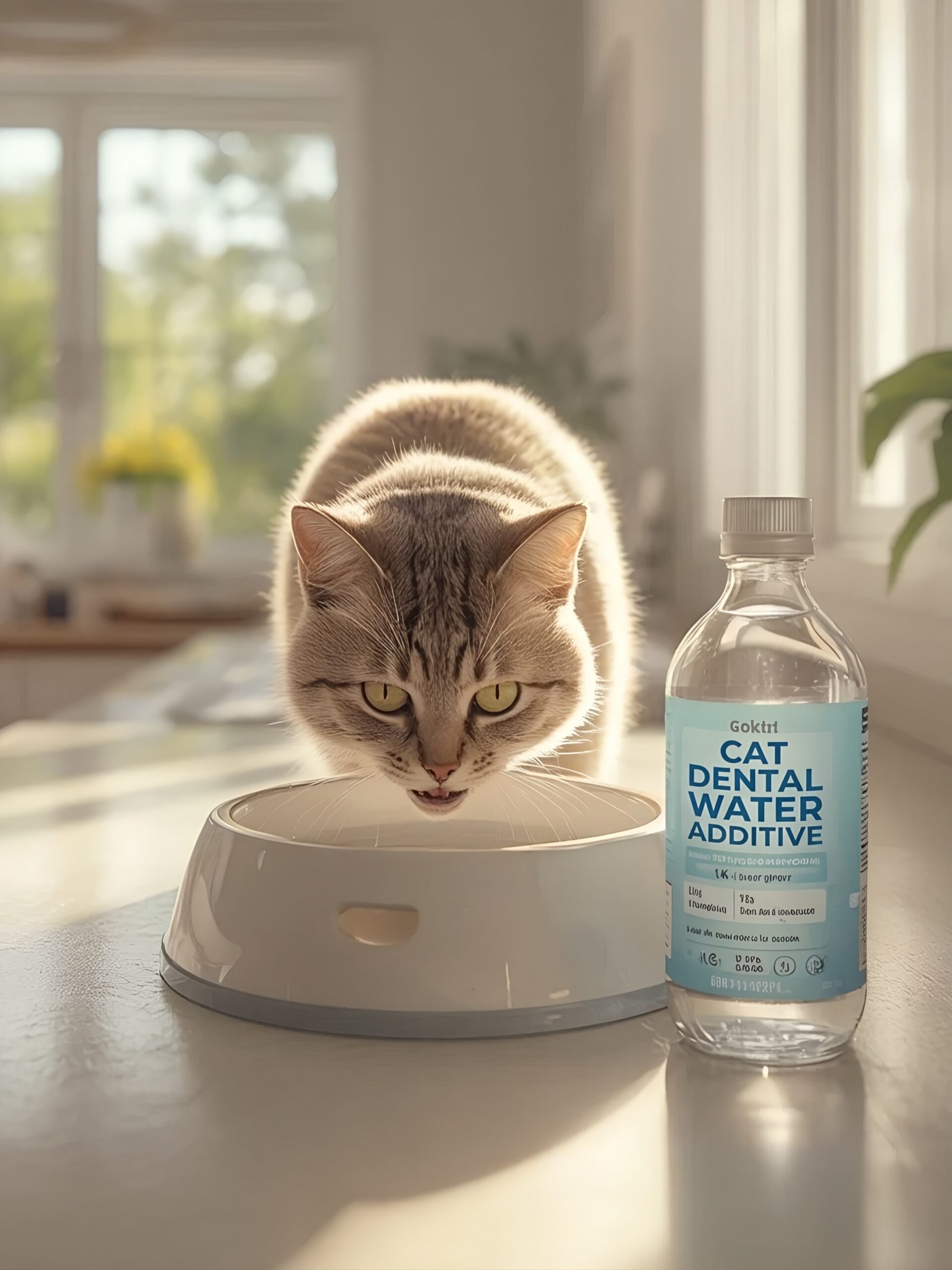
A cat dental water additive is an easy way for cat owners to help reduce plaque and tartar buildup without daily brushing. Many pet owners consider a cat dental water additive when their cats refuse traditional toothbrushing routines.
But how effective is a cat dental water additive for real feline mouths, and what should cat owners watch out for before adding one to their pet’s daily routine?
Key Takeaways
- Cat dental water additives are mainly preventive—they won’t reverse dental disease and don’t replace professional cleanings or brushing.
- Taste aversion and variable results are common, and feline-specific clinical research is still lacking.
- Use only products with known, vet-approved ingredients, and always monitor your cat’s drinking habits and health.
- What Is a Cat Dental Water Additive and How Does It Work?
- How to Use Cat Dental Water Additive: Step-by-Step Guide
- Advanced Analysis & Common Pitfalls
- Conclusion
- FAQ: Cat Dental Water Additive
What Is a Cat Dental Water Additive and How Does It Work?
A cat dental water additive is a liquid dental care solution designed to be mixed into your cat’s drinking water. Most cat dental water additive formulas aim to reduce plaque, control tartar buildup, and improve bad breath.
The key advantage of a cat dental water additive is convenience: it supports oral hygiene without requiring direct brushing, which many cats resist.
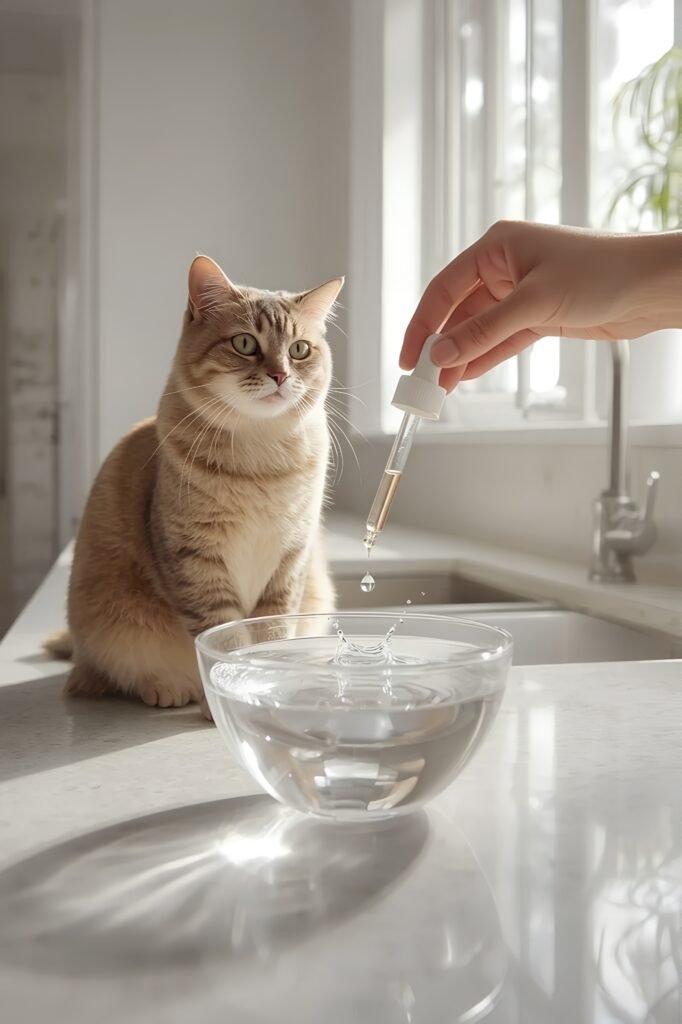
The mechanism of action typically involves:
- Antimicrobial action: Ingredients like stabilized chlorine dioxide and zinc chloride help reduce oral bacteria, which are the primary causes of plaque and bad breath. This is one of the main ways a cat dental water additive supports oral hygiene.
- Enzyme and prebiotic support: Some cat dental water additive products contain enzymes or prebiotics that break down biofilm and reduce tartar buildup over time.
- Additional agents: Compounds such as molecular iodine (studied in dogs) or pomegranate extract may help reduce plaque, though most clinical proof comes from canine studies [Dog pomegranate study].
While cat dental water additives are convenient, sources like Dr. Penny Coder caution that they’re strictly preventive—they cannot reverse existing dental disease or gum inflammation
[Great Pet Care].
Professional veterinary cleanings and regular toothbrushing still remain the gold standard for feline oral care.
For hydration and maximum oral benefits, using a cat water fountain may encourage cats to drink more, improving the effectiveness of a cat dental water additive.
How to Use Cat Dental Water Additive: Step-by-Step Guide
Using a cat dental water additive properly can help support oral hygiene without stressing your cat. Follow these steps to safely introduce a cat dental water additive into your pet’s routine.
- Choose a reputable additive made for cats. Always select a cat dental water additive specifically labeled as safe for feline use. Review ingredients carefully for any allergens or substances your veterinarian may advise against.
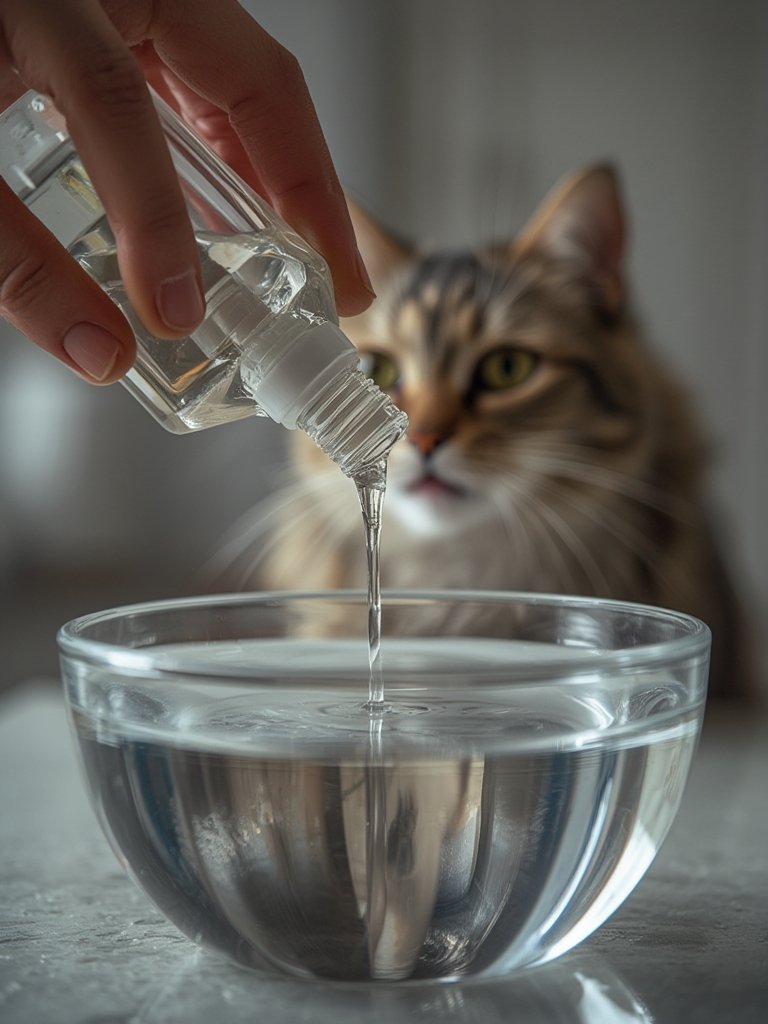
- Mix the correct dosage into fresh water daily. Most brands recommend about one teaspoon per 8–16 ounces of water, though instructions may vary depending on the cat dental water additive product you choose.
- Monitor your cat’s drinking habits closely for the first week. When introducing a cat dental water additive, watch closely during the first week. If your cat dislikes the taste and drinks less water, discontinue use immediately.
- Observe your cat’s mouth and breath. Some pet owners notice fresher breath within a week after starting a cat dental water additive, though meaningful tartar reduction often takes 30 days or more of consistent use.
You can review feedback and tips from other pet parents here. - Combine with regular dental checkups and, if possible, daily brushing. Dental water additives are designed to work best as part of a comprehensive dental plan, not as a sole solution.
For advanced dental options, you may want to explore cleaning tools beyond additives, such as an automatic litter box for overall hygiene improvement.
Note: Always consult your vet if your cat has underlying conditions (such as kidney disease) or if you notice any changes in appetite, urination, or behavior after introducing a dental water additive. There is no published safety data for kittens, elderly cats, or cats with chronic health issues as of 2024 [Source].
For further enrichment ideas, see our cat self-grooming brush guide for ways to improve daily pet care routines.
Advanced Analysis & Common Pitfalls
Many cat owners expect water additives to be a “miracle cure.” The reality is more nuanced:
- Most clinical research is on dogs—not cats. Studies do show measurable plaque/tartar reduction in dogs (one with pomegranate, one with molecular iodine achieving 44% plaque decrease)[Dog iodine study].
But no peer-reviewed feline trial data was found as of 2024, so actual results in cats are unclear. - Taste aversion is common. Many cats avoid water that smells different, reducing hydration and overall health. Always watch for changes in water intake—for some cats, this means no additive is better than risking dehydration. Stainless steel fountains may help encourage drinking.
- This is not a treatment for existing dental disease. Water additives can’t reverse gingivitis, resorptive lesions, or advanced tartar buildup. If you notice bleeding, bad odor, or red gums, see a veterinarian immediately instead of relying on over-the-counter dental care.
- Effectiveness varies. While some owners report fresher breath in days, others see no improvement at all. Breed, existing dental health, and water bowl habits all play a role.
- Long-term safety is not well understood. There’s no published chronic-use safety data for cats, senior animals, or special populations. Use cautiously and check for any sign of adverse effect.
| Ingredient | Purpose | Notes |
|---|---|---|
| Stabilized chlorine dioxide | Antimicrobial, reduces bacteria | Palatability issue for some cats. No feline-specific studies. |
| Molecular iodine | Greatly lowers plaque (dog studies) | VOHC-approved for dogs. No cat trials found. |
| Enzymes, prebiotics | Break down biofilm, reduce tartar | Used in several products, mechanism plausible but evidence in cats is missing. |
| Pomegranate extract | Reduced plaque/calculus in dogs | 30-day statistically significant impact in dog study. No cat data. |
| Zinc chloride, oxygene, magnesium binders | Reduce odor/plaque, inhibit bacterial growth | Included in leading brands. Safety profiles not differentiated for cats. |
Use only trusted products and always observe your pet’s response. Consider integrating other health and comfort solutions like a cat sofa to help your feline feel at ease during dental care routines.
Conclusion
A cat dental water additive can provide a convenient way to support your cat’s oral hygiene, particularly when brushing is difficult. While the evidence is stronger in dogs, careful and responsible use of a cat dental water additive may still benefit some cats.
Cat dental water additives offer a low-effort way to support your cat’s oral health, especially when toothbrushing is not feasible. The science is more robust for dogs, but cautious use, with careful observation, may benefit some cats. Ultimately, however, regular professional care and daily brushing still provide the highest standard of dental health. Consult your veterinarian to decide if a cat dental water additive suits your pet’s needs and health risks.
Ready to try a dental water additive? Consult with your vet first, then explore products that list their ingredients and offer clear directions—and always monitor your cat’s hydration and well-being daily.
Upgrade all aspects of pet care with practical tools—from a dual automatic cat feeder to a reusable lint roller for pets.
FAQ: Cat Dental Water Additive
Are cat dental water additives safe for all cats?
While many brands market their products as safe, there is no robust safety data for kittens, elderly cats, or cats with chronic illnesses such as kidney disease. Always consult your veterinarian before starting a dental water additive, especially if your cat has special health concerns.
How quickly will I see results when using a dental water additive?
Some cat owners report fresher breath in just a few days. However, clinical studies in dogs show reductions in plaque and calculus after 30 days. For cats, no before-and-after clinical trial proof exists. Expect gradual changes, if any, and monitor daily.
Can a dental water additive solve all my cat’s dental problems?
No. These products are strictly preventive and aren’t effective for treating existing dental disease or advanced problems like gingivitis or periodontal disease. Only a professional veterinary cleaning and, ideally, daily brushing will properly address those conditions.
What happens if my cat stops drinking water with additive?
Immediately switch back to plain water to avoid dehydration, and consult your veterinarian for next steps. Taste aversion is a frequent issue with water additives. If your cat’s hydration decreases, discontinue the product.
Do all cats accept water additives the same way?
No, palatability and effectiveness can vary substantially from cat to cat. Always watch for changes in drinking and bathroom habits, and introduce additives slowly if your cat is known to be sensitive to changes.