

Whole house water filter systems are one of the most important upgrades homeowners use to protect water quality at every tap—but understanding how they work, what they remove, and what challenges to expect can be confusing for anyone considering this investment.
Key Takeaways
- Whole house water filters address sediment, taste, and odor issues but require regular maintenance to avoid leaks or pressure loss.
- Installation on older plumbing can be tricky; improper setup leads to costly problems and diminished performance.
- Costs and certified standards vary widely, so research and professional advice are critical before purchase.
- What Is a Whole House Water Filter and Why Does It Matter?
- How to Choose and Maintain a Whole House Water Filter: Step-by-Step Guide
- Common Problems and Advanced Insights: What Most Homeowners Get Wrong
- Conclusion
- Frequently Asked Questions
What Is a Whole House Water Filter and Why Does It Matter?
A whole house water filter is a system installed on your main water line to treat all water entering your home. The purpose is to remove sediment, chlorine taste or odor, and sometimes contaminants, so every faucet, showerhead, and appliance gets cleaner water. Families invest in these systems to boost drinking safety, protect appliances from buildup, and improve water’s look and smell for bathing or cooking.

This filter improves overall water quality, especially if you’re on well water or experiencing aging municipal pipes. It’s different from an under-sink or fridge filter—this system tackles water for the entire home in a single step, often as it enters the basement or utility area. While it boosts peace of mind, a whole house water filter requires careful setup and ongoing maintenance for reliable, long-term performance.
How to Choose and Maintain a Whole House Water Filter: Step-by-Step Guide
- Test Your Water
Start by having your tap water professionally tested, or use a reputable DIY kit. Identify sediment levels, chlorine, iron, bacteria, and any unusual contaminants. This ensures you invest in the right type of filter (sediment, carbon, or specialty). - Select the Right Filter Technology
Different filters target different issues. Sediment and cartridge filters target sand or rust. Carbon filters address taste and odor. Advanced homes may add UV or additional stages for bacteria or specific chemicals. If you’re unsure, consult a pro or your water district. - Calculate Sizing Needs
Calculate your peak water flow and usage (number of bathrooms, occupants, appliances). Undersized systems create pressure loss and clog quickly. - Budget Upfront and Maintenance Costs
Factor in initial system costs, replacement cartridges every 3-6 months (sediment) or 6-12 months (carbon), and possible professional installation, especially in older homes. - Schedule Professional Installation
Proper installation prevents leaks and ensures maximum protection. Certified professionals will also spot issues with older pipes or unique plumbing challenges. - Set Up Maintenance Reminders
Mark reminders (calendar or phone) to change filters regularly. Failing to replace cartridges leads to clogs, poor taste, low pressure, or leaks. Have spare O-rings and a tube of silicone grease on hand. - Flush the System Periodically
After cartridge replacement, flush according to manufacturer guidelines to purge bacteria buildup or carbon dust. - Inspect for Leaks and Pressure Problems
Check for leaks at each connection and around the filter housing regularly. If your water pressure drops below 30 PSI, replace cartridges or troubleshoot for debris.
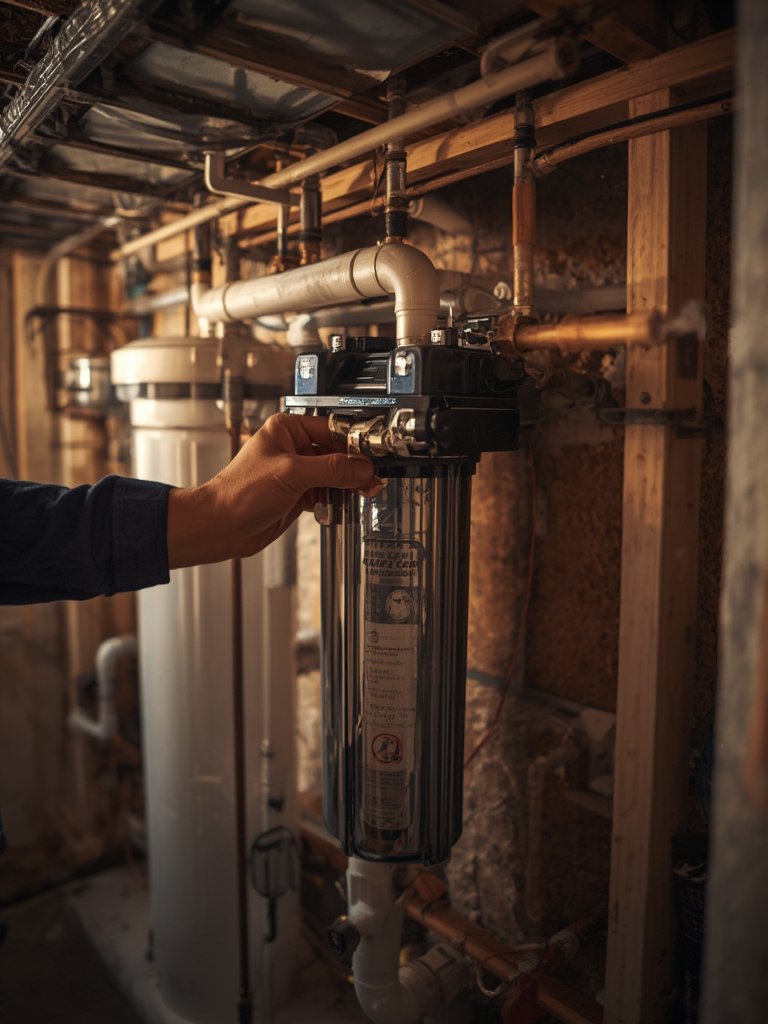
When planning installation, consider reading up on related home upgrades, such as electric tankless water heaters or smart sprinkler controllers, both of which also impact your home’s water system.
Common Problems and Advanced Insights: What Most Homeowners Get Wrong
While whole house water filter systems solve many water quality issues, the most common user-reported complaints involve leaks, persistent low water pressure, and short cartridge life. Here are the main pitfalls you should avoid, with actionable advice:
| Issue | What Causes It | How to Address | Source |
|---|---|---|---|
| Leaks at Filter Housing | Worn O-rings, loose fittings, improper sealing | Replace O-rings, apply food-grade silicone grease, retighten housing | Source |
| Reduced Water Pressure | Clogged filters, installation errors, pressure switch problems | Replace filters every 3-6 months, check for debris, ensure proper installation | Source |
| Change in Water Taste or Odor | Clogged carbon filter, bacterial growth | Replace carbon cartridges every 6-12 months, flush system after replacement | Source |
| Frequent Cartridges Replacement Needed | High sediment levels, unaddressed contaminants | Install pre-filters, investigate water source, consider higher-capacity system | Source |
| Difficulties with Old Plumbing | Pipe corrosion, mixed materials, retrofitting issues | Hire a specialist; upgrade deteriorating pipes where possible | (Research summary) |
Other pitfalls include improperly sized systems (leading to poor performance), skipping professional help (failed installs risk major leaks), or neglecting maintenance. Certified systems are best, but clear guidance on US standards and certifications can be limited. For more ideas on reliable home water solutions, see our comprehensive pet water fountain buying guide—important if you want quality water for all members of your household.

Maintenance diligence and professional support are crucial if you want your investment to deliver clean water and a leak-free experience year after year.
Conclusion
A whole house water filter is a practical solution for better water across every tap, but it’s not a set-and-forget upgrade. Remember to choose the right system for your home’s needs, change filters on a schedule, and address leaks or pressure loss early. With the right approach, your whole house water filter will protect your family, plumbing, and appliances long-term.
Ready to start? Consult a trusted local pro and download a maintenance tracker today. For more smart home upgrades, explore our guides to battery powered lawn mowers, plastic garden sheds, or setting up an efficient vertical garden system.
Frequently Asked Questions
How often do I need to replace cartridges in my whole house water filter?
Sediment cartridges usually need swapping every 3 to 6 months, while carbon filters last 6 to 12 months. Check your manufacturer’s guide and inspect filters regularly for buildup or foul odors.
Will a whole house water filter lower my water pressure?
It might if the system is too small for your home or filters get clogged. Prevent issues by sizing the system correctly and replacing filters on schedule.
What kinds of contaminants do standard whole house filters remove?
Most models target sediment (sand, dirt, rust) and chlorine taste or odors using cartridge and carbon filters. Specialty systems can remove more, but advanced contaminants like heavy metals may require other technologies.
Can I install a whole house water filter myself?
If you’re experienced with plumbing, it’s possible. For homes with older pipes or complex setups, professional installation is strongly recommended to prevent leaks and guarantee performance.
Are whole house water filters certified by government agencies?
Certification standards vary, and not all systems are tested to the same level. Many reputable brands seek NSF, WQA, or third-party certifications, but always verify claims directly with the manufacturer.