

Dehumidifier for basement problems are some of the most pressing—and expensive—issues US homeowners will face in 2024. If your basement smells musty or you see damp spots, you are not alone. Basement humidity can cause mold, health issues, and major structural problems, but the right dehumidifier for basement can make a dramatic difference.
Key Takeaways
- Nearly half of US homes deal with mold—and basements are a major hotspot due to moisture build-up.
- Choosing the right basement dehumidifier prevents health issues, property damage, and expensive repairs.
- Installation mistakes and poor maintenance will ruin even the best dehumidifier’s effectiveness; knowing the pitfalls is essential.
- What Causes Basement Moisture & Why You Need a Dehumidifier
- How to Choose & Install a Basement Dehumidifier (Step-by-Step)
- Advanced Analysis & Common Pitfalls
- Conclusion
- Frequently Asked Questions
What Causes Basement Moisture & Why You Need a Dehumidifier
Basement mold and moisture aren’t rare. An estimated 47% of American buildings have a mold issue directly tied to dampness and excess humidity. Basements are frequently the worst offenders because they’re below grade, receive little sunlight, and often have limited airflow. Even if you can’t see water, high humidity constantly seeps through walls and floors, creating a breeding ground for mold such as Aspergillus and Cladosporium. According to recent surveys, mold impacts over a third of US residents moderately or worse, which can cause everything from allergy symptoms to property damage.
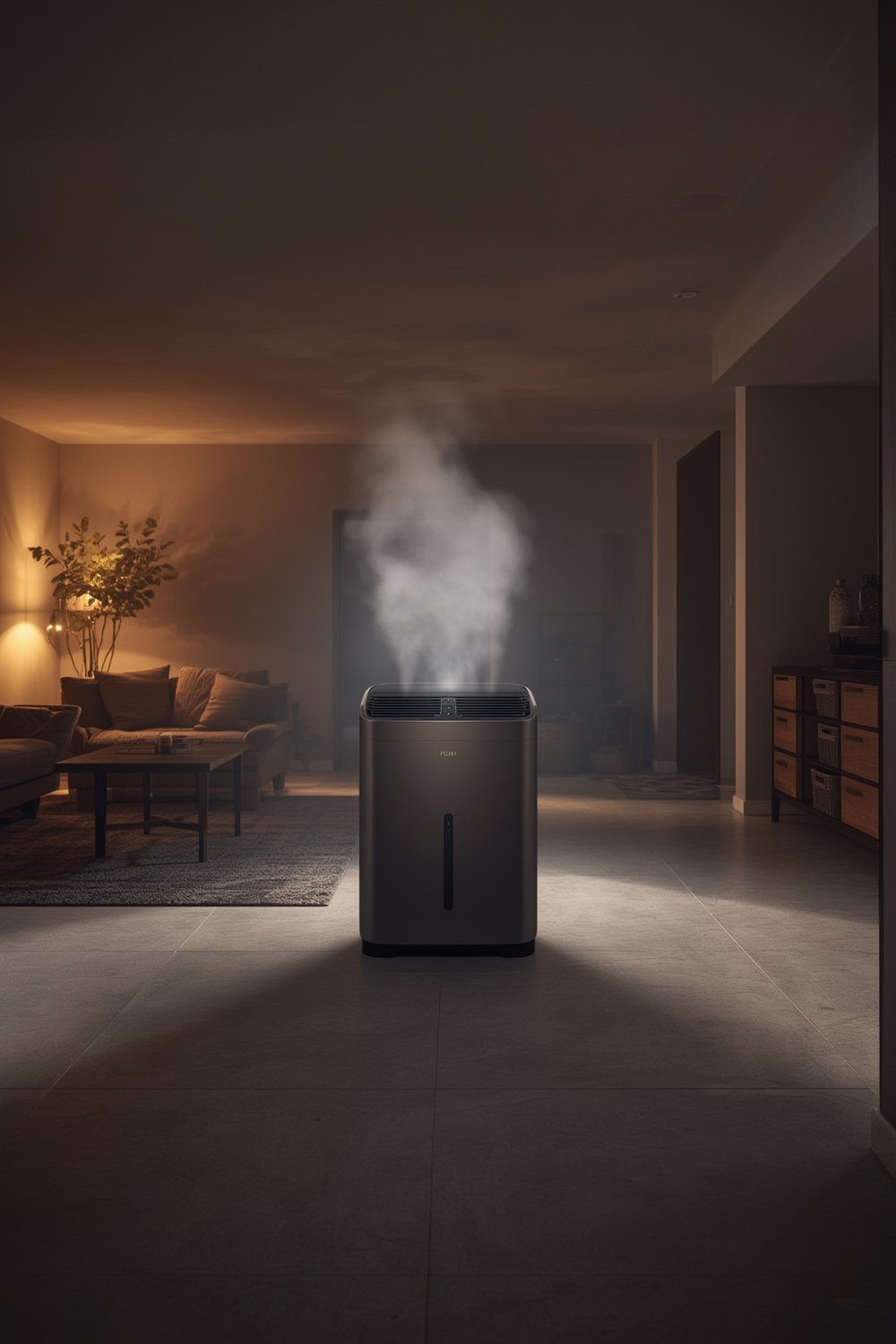
Even homes with “no leaks” will often see humidity and condensation inside the basement due to natural soil moisture, poor vapor barriers, and temperature swings. When these issues aren’t managed, mold and musty odors follow quickly. These conditions also trigger and amplify asthma symptoms for sensitive residents, with research showing that dampness removal can cut asthma symptoms by 25% or more (source).
A good dehumidifier for your basement stops these issues before they start. By pulling moisture from the air and keeping humidity below 50%, you cut off the main ingredient mold needs to grow. Compared to costly foundation treatments, a dehumidifier is a practical, year-round solution most homeowners can install themselves.
How to Choose & Install a Basement Dehumidifier (Step-by-Step)
Buying and installing the right dehumidifier isn’t rocket science, but skipping any step in the process leads to wasted money and ongoing problems. Here’s how to do it right the first time:
- Measure Your Basement: Use a tape measure to get both the square footage and ceiling height. Calculate in cubic feet for total air volume.
- Check Current Humidity: Use a hygrometer (about $10 online) to get an accurate humidity level. Look for spots with visible condensation or a musty smell.
- Choose the Right Size: For a damp basement under 800 square feet, a standard 30-pint model works. For 800-1500 sq. ft. or visible water issues, step up to a 50-70 pint capacity. Size up if your space has lots of air leaks or is split by walls.
- Compare Features: Look for Energy Star® ratings, built-in pumps (for automatic draining), and smart controls if the space is near bedrooms or living areas. Some new models have smart controls so you can adjust settings from your phone.
- Pick a Safe Electrical Outlet: Plug the dehumidifier directly into a grounded wall outlet—never use extension cords with high-capacity models. Check amp requirements, especially if running other appliances.
- Position Your Dehumidifier: Place it at least 12 inches from all walls for max airflow. Avoid putting it too close to drains or sumps where water vapor levels may spike.
- Set Desired Humidity: Most basements do best at 45–50% relative humidity. Set this on the controls to minimize power draw without making the air feel dry.
- Plan for Drainage: If it’s a high-use area, connect a hose to a floor drain or set up the built-in pump to auto-drain. If manual, remember to empty the bucket every 1–2 days.
- Monitor and Adjust: Re-check humidity after 24–48 hours. If levels stay above 55%, you may need a larger capacity unit or an extra dehumidifier.
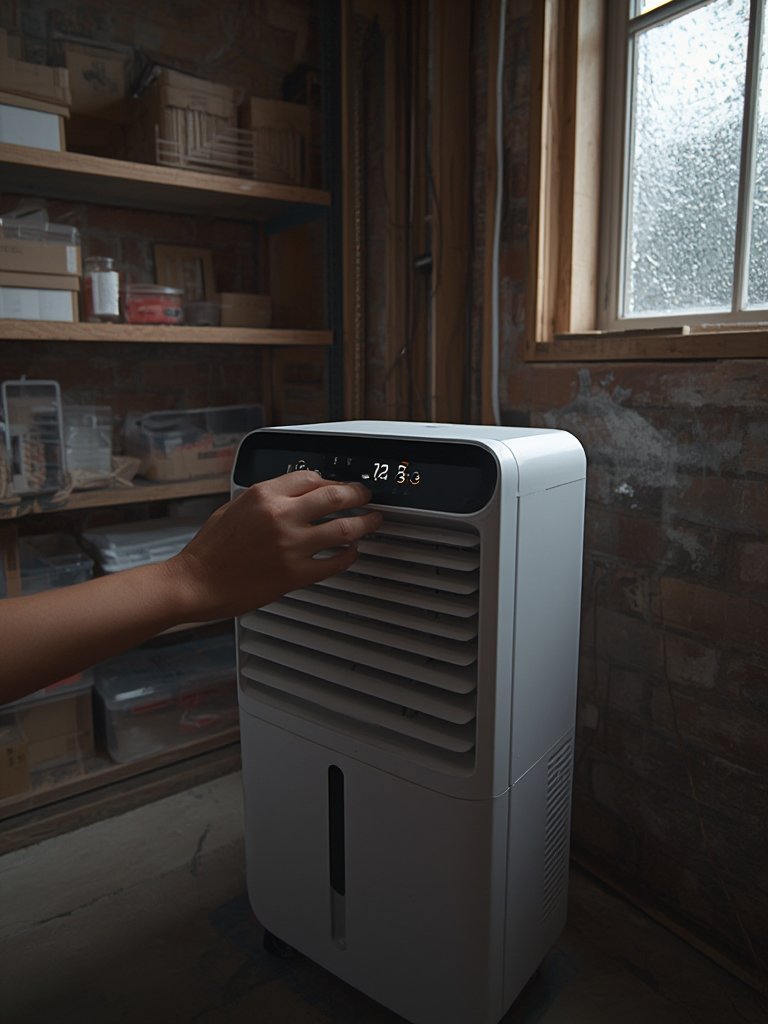
Keep in mind that ongoing maintenance is critical. Clean intake filters monthly and check for frost buildup in colder months. Replace filters as needed. Take advantage of model warranties and register for product support at purchase.
If you’re upgrading your whole home’s environment, pairing your dehumidifier with a smart thermostat can help you automate climate control for better efficiency and comfort. And if you’re storing pet supplies, a drier basement is friendlier for smart pet feeders, pet hair removers, or even an automatic litter box.
Advanced Analysis & Common Pitfalls
Choosing, installing, and running a basement dehumidifier isn’t always trouble-free. Many homeowners run into the same preventable issues that undermine the unit’s effectiveness — or make it cost more than necessary. Here’s a breakdown of common pitfalls to avoid:
| Pitfall | Problem it Causes | How to Avoid |
|---|---|---|
| Buying the wrong size | Dehumidifier never shuts off, basement stays damp, high electric bills | Accurately measure the space and use a sizing chart for your level of wetness |
| Ignoring drainage setup | Overflowing buckets, catastrophic leaks near stored items | Always use a hose or built-in pump for continuous draining |
| Placing unit in corners or blocked areas | Reduced airflow, uneven humidity, higher runtime | Leave at least 12-inch clearance on all sides |
| Neglecting filter maintenance | Reduced performance, possible mold inside the machine | Clean filters monthly, replace as needed per manual |
| Not checking energy ratings | High electricity costs, subpar humidity removal | Look for Energy Star rating and compare annual kWh costs |
It’s also critical to set realistic cost expectations. As of 2024, quality basement dehumidifiers range from $250-$500 for most residential models. Add $30-$100 for professional installation if you want a permanent wall-drain setup. Annual maintenance (filters, basic service) is typically under $50, but electricity usage adds another $100-$130 per year depending on runtime and your local rates. Bigger basements or houses with persistent leaks will see higher operating costs.
Many models come with 1-3 year warranties but require you to register online and use only approved replacement filters, so keep receipts and documentation. Switching to app-controlled models with features like humidity alerts can help you avoid catastrophic bucket overflows or running the unit needlessly. For those who are serious about home improvement and clean air, check out how technology trends are improving home management—including weatherproof storage solutions and upgrades like a vertical garden system.
Conclusion
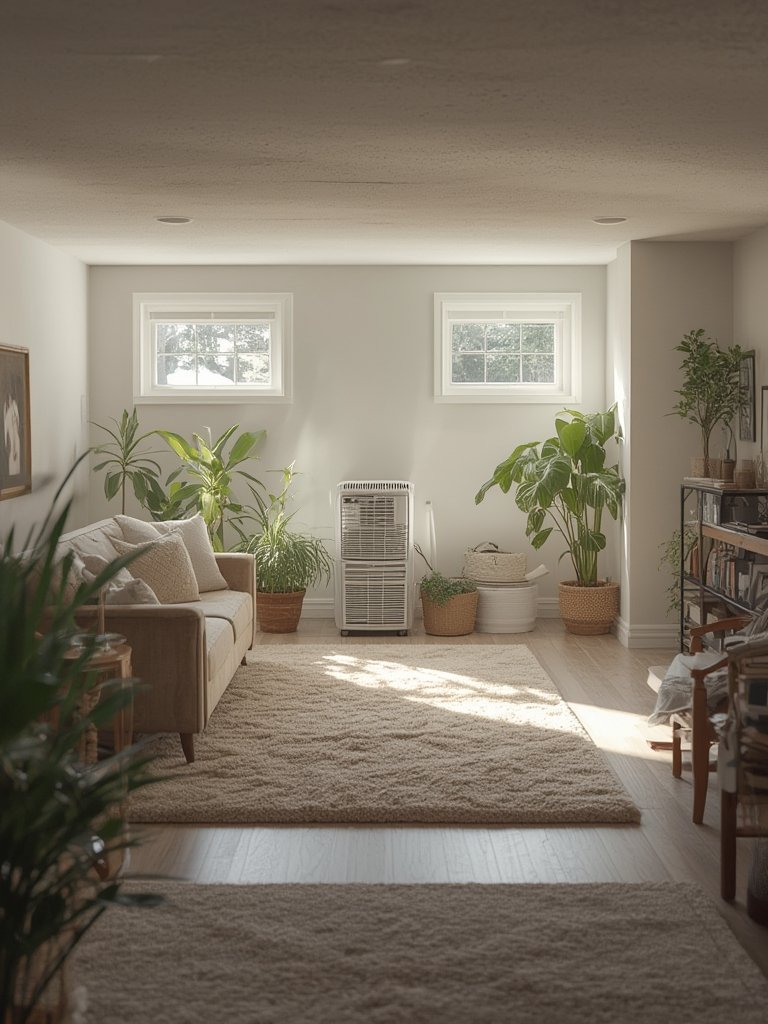
Taming basement moisture takes more than guesswork—using the right dehumidifier for basement means fewer repairs, lower health risks, and a better home environment. Measure carefully, don’t skip maintenance, and invest smartly in a size and feature set that actually matches your needs. A dry basement provides better air for both people and pets (and can even protect your pet water fountains and electronics). Choose the right solution, and make musty basements a thing of the past.
Ready to reclaim your basement, protect your home, and breathe easy? Start with an accurate measure—then upgrade with a purpose-built, modern dehumidifier today.
Frequently Asked Questions
How often should I run my basement dehumidifier?
Most basements benefit from running the dehumidifier continuously during humid months or when indoor levels exceed 50%. Use the built-in humidistat or a separate monitor to automate operation and save energy.
What size dehumidifier is best for a 1,000 square foot basement?
A 50-pint model is ideal for moderately damp 1,000 sq. ft. basements. Increase to 70 pints for more severe moisture or areas with visible water problems.
Does a basement dehumidifier need to be professionally installed?
Most portable models can be installed by homeowners. However, if you need continuous drainage to a dedicated line or want to wall-mount, professional installation is recommended.
Are there hidden costs to running a basement dehumidifier?
Yes. Besides purchase price, expect to pay for electricity ($100-$130/year), replacement filters, and potential maintenance. Some models require specific filter brands to keep warranties valid.
Can a dehumidifier help prevent mold permanently?
Using a dehumidifier will control humidity and greatly reduce the risk of mold, but it’s not a cure for foundational leaks or persistent flooding. Always address water entry sources first for the best results.