

Electric pressure washer compact units are now the tool of choice for quick and effective outdoor cleaning. These small and powerful machines give homeowners a way to tackle tough dirt and grime without the bulk of gas-powered equipment. In this guide, you’ll discover what compact electric pressure washers really deliver, how to use them, and what other reviews often leave out.
Key Takeaways
- Best compact electric pressure washers in 2024 combine portability with PSI up to 3000, but usually cannot match heavy-duty gas models for deep cleaning.
- Common pain points include wand disassembly for storage and limitations on heavy grime, but these units shine for car washing, decks, and patio furniture.
- Durability, warranty coverage, and included accessories are rarely detailed in most reviews—know what you’re really getting before you buy.
- What Is an Electric Pressure Washer Compact and Why Choose One?
- How to Use a Compact Electric Pressure Washer: Step-by-Step Guide
- Advanced Analysis & Common Pitfalls (With Real Spec Table)
- Conclusion
- Frequently Asked Questions
What Is an Electric Pressure Washer Compact and Why Choose One?
Compact electric pressure washers take up little space, are easy to store, and start with a button. They’re designed for typical home chores—everything from cleaning decks to blasting mud off your car’s wheels. Unlike large gas models, a compact unit is light enough for nearly anyone to maneuver, and can often be tucked into a small shed or garage cabinet.
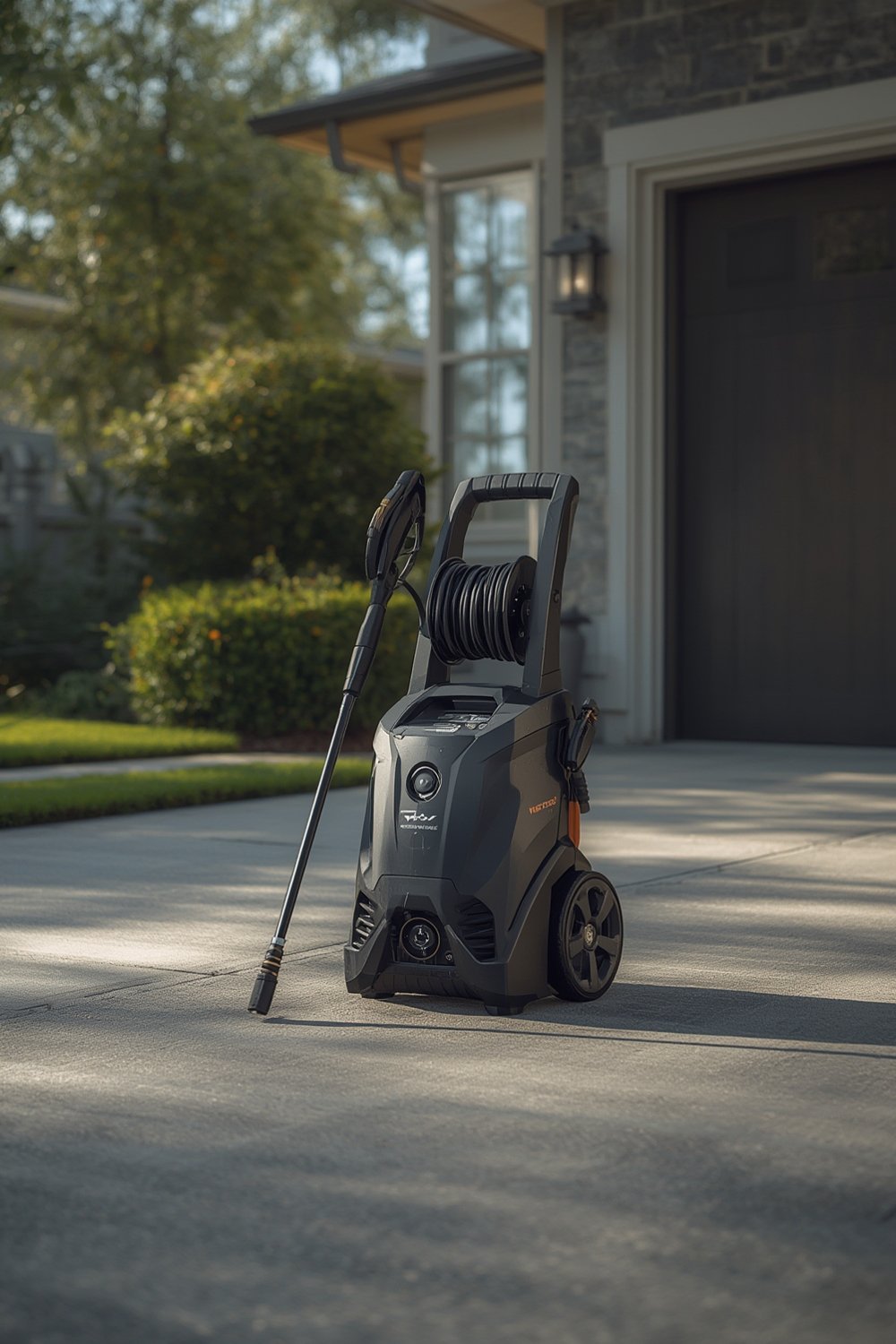
The most popular 2024 models—like the DeWalt 3000-PSI Compact, Greenworks Pro 2300, and Chemical Guys ProFlow PM2000—offer between 1,700 and 3,000 PSI. That’s enough for most home jobs short of stripping paint or serious heavy-duty grime. Many compact models, such as the Craftsman CMEPW1900 or Greenworks 2030, weigh under 30 pounds, making setup and storage a quick job. (Dimensional data is rare, but nearly all units highlight “compact” or “lightweight” features.)
The practical advantages go beyond size. Compact electrics won’t require oil changes, don’t produce exhaust fumes, and are much quieter than gas units—although you’ll still get up to 89 dBA, so hearing protection is smart.
For a broad look at other handy home gear, consider efficiency tools for your yard like a battery powered lawn mower or garage organization with a compact garage storage system.
How to Use a Compact Electric Pressure Washer: Step-by-Step Guide
- Unbox and inspect all contents—check for included nozzles (usually 0° to 65°, sometimes a turbo or soap nozzle), a hose, a wand, and cleaning accessory tips. Look for signs of poor frame welds or loose plastic parts.
- Connect to a GFCI-protected power outlet. Attach your garden hose to the inlet (check for quick-connect fittings on higher-end models).
- Firmly attach your spray gun and hose, paying close attention to O-rings—missing O-rings are an overlooked source of leaking.
- Choose the right nozzle:
- White or green (40° or 25°) for cars, furniture, and decks.
- Yellow or red (15° or 0°) only for concrete or stubborn stains (never use on paint or glass).
- Turn on the water, then power up the unit. Allow water to flow through the wand a few seconds before pulling the trigger, bleeding any air out.
- Hold the spray tip 12-24 inches from the surface. Sweep slowly for best results, overlapping strokes so no area is missed.
- For soaping, switch to the soap nozzle or set your detergent tank following manufacturer instructions (not all models include one—another spec often skipped in reviews).
- Shut off the power, then the water, and release trigger pressure before disconnecting hoses. Remove and drain any water to avoid hose or pump damage in storage.
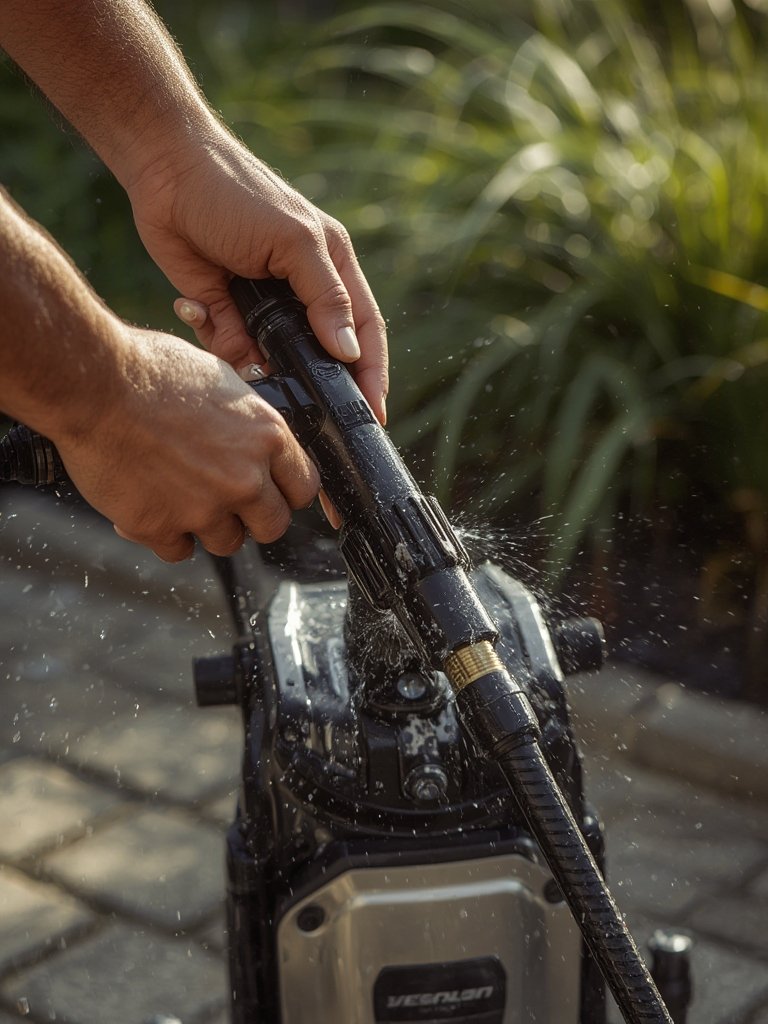
If you need quick rinsing for yard surfaces, you might also consider swapping in a lightweight expandable garden hose for low-pressure jobs. While compact units are easy to stow, be ready for a bit more setup time compared to larger gas models, which often don’t need wand disassembly for storage.
Looking for ways to keep pets clean after outdoor time? Use a gentle spray attachment from your washer, or check out a dog paw cleaner cup for quick muddy paw cleanup.
Advanced Analysis & Common Pitfalls (With Real Spec Table)
Even the best electric pressure washer compact units have some drawbacks compared to larger or gas-powered washers. Here’s what research and real users report—and what to realistically expect.
- Underpowered for Toughest Jobs: Many units claim up to 2,100 or 3,000 PSI, but independent tests often find real output below the stated value, especially with wider nozzles (like 1,800 PSI for some Craftsman or Ryobi models).
- Wand Disassembly: To keep size down, most compact washers require you to detach the wand or cord for storage. This can be frustrating if you use your washer frequently.
- Accessory and Warranty Coverage Lacking: Most top-ranking reviews skip specifics on what’s included beyond the basics—check box contents before you buy, and don’t assume you’ll get an extension wand, spare O-rings, or foam cannon. Warranties are also often unspecified except for premium brands like EGO.
- No Market Share Clarity: While electric units are everywhere for home use, no trusted sources cite the percentage the compact versions make up of all pressure washers in 2024.
- Lack of Detailed Durability Data: Most reviews don’t mention if fittings are metal or plastic, or how pump components hold up after several seasons.
Below is a direct comparison of the top-selling models so you can see their specs side-by-side. Note how many models do not specify all data—another gap most reviews won’t mention.
| Model | PSI | GPM | Weight | Features |
|---|---|---|---|---|
| DeWalt 3000-PSI Compact | 3,000 | 1.1 | 42 lb | Internal wand storage, high power (source) |
| Craftsman CMEPW1900 | 1,900 | 1.2 | 29.4 lb | Affordable, basic accessories included |
| Chemical Guys ProFlow PM2000 | 2,100 | 1.76 | 13.5 lb | Foam cannon compatible, lightest pick |
| Greenworks 3000 PSI | 3,000 | Not specified | 52 lb | High-end electric, robust wheels |
| Ryobi Electric (Compact 1700 PSI) | 1,700 (tested 1,500) | 1.2 (tested 1.1–1.4) | 16.0 lb | Ultra-compact, stable base (source) |
| Fanttik NB8 Ultra | 725 | 2.6 | 25.8 lb | Wireless, cordless battery model |
Tasks these units excel at:
- Washing cars (including undercarriage, using white nozzle)
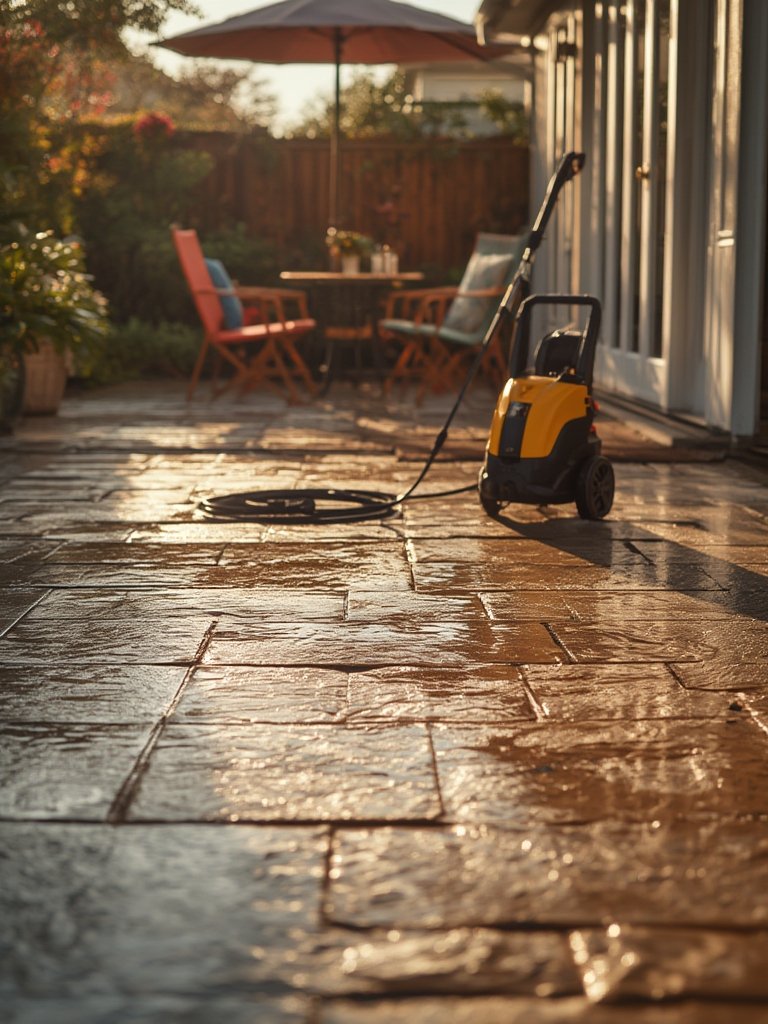
- Cleaning decks, patios, outdoor furniture, and synthetic siding
- Quick cleanup of walkways and fences
What they can struggle with:
- Heavy grease, mold, or paint removal
- Very large surface areas (jobs take longer vs. gas models)
- Jobs that require more than 2,000 PSI sustained output
Safety is also critical. Look for models with GFCI protection, quick-connect nozzles, and UL or ETL certifications for electric safety. Always avoid using high-power nozzles on delicate surfaces, and consider ear protection above 80 dBA.
If you store your washer outdoors, consider adding a weatherproof storage shed for extra protection.
Conclusion
If you want powerful cleaning in a small, manageable package, the electric pressure washer compact is a practical tool for home projects. Today’s top models offer enough PSI for cars, decks, and outdoor furniture, but be realistic about their abilities with tough stains or extended areas. Always verify accessory lists and warranty details, since most reviews skip these important factors. Choose the right balance of portability and power for your needs—and get more value by staying informed about what the competition leaves out.
Ready to upgrade your cleaning routine? Shop and compare electric pressure washer compact models from trusted brands—make sure your next clean-up is easy and effective.
Frequently Asked Questions
Are compact electric pressure washers safe for car paint and wheels?
Yes, but always use a 40° (white) or lower-pressure nozzle and keep the tip at least a foot from the surface. Avoid using zero-degree nozzles, which can damage paint or rubber. For extra safety, check your user manual.
How much does a high-quality compact pressure washer cost in 2024?
Expect to pay between $189 and $879, depending on power, features, included accessories, and whether a battery and charger are provided. Free shipping is typical at major retailers for most models.
What attachments or accessories should I look for?
Look for models with multiple nozzles, quick-connect fittings, a soap tank, or a foam cannon. Extension wands and spare O-rings add value. Check what’s included before you buy, as many reviews skip these details.
Are electric pressure washer compact models noisy?
Most operate at 70–89 dBA—much quieter than most gas units but still loud enough to consider hearing protection.
What safety certifications should I check for?
Look for UL or ETL certification for electric safety. Always use the washer with a GFCI-protected outlet, and check that the unit offers auto-shutoff and quick-connect nozzles for safer use.