

outdoor pergola kit installations are transforming backyards across the US, letting homeowners create relaxing, versatile spaces at a fraction of the cost of custom builds. If you want shade, style, and a DIY project that actually adds value, this guide is for you.
Key Takeaways
- The outdoor pergola kit market is booming, with North America leading global demand and robust growth projected through 2030.
- Homeowners are driving adoption — nearly half of new backyard builds feature pergolas or modular shade units.
- Before you buy, know the common pitfalls: unclear instructions, underestimated installation time, and picking the wrong materials for your climate or skill level.
- What Is an Outdoor Pergola Kit and Why Buy One?
- How to Install an Outdoor Pergola Kit: Step-by-Step
- Advanced Analysis & Common Pitfalls
- Conclusion
- FAQ
What Is an Outdoor Pergola Kit and Why Buy One?
An outdoor pergola kit is a prefabricated set of materials and hardware that allows you to quickly assemble a shaded, semi-open structure in your yard—no custom carpentry needed. In 2024, homeowners are flocking to kits because they combine modern design, DIY satisfaction, and cost savings compared to custom solutions.
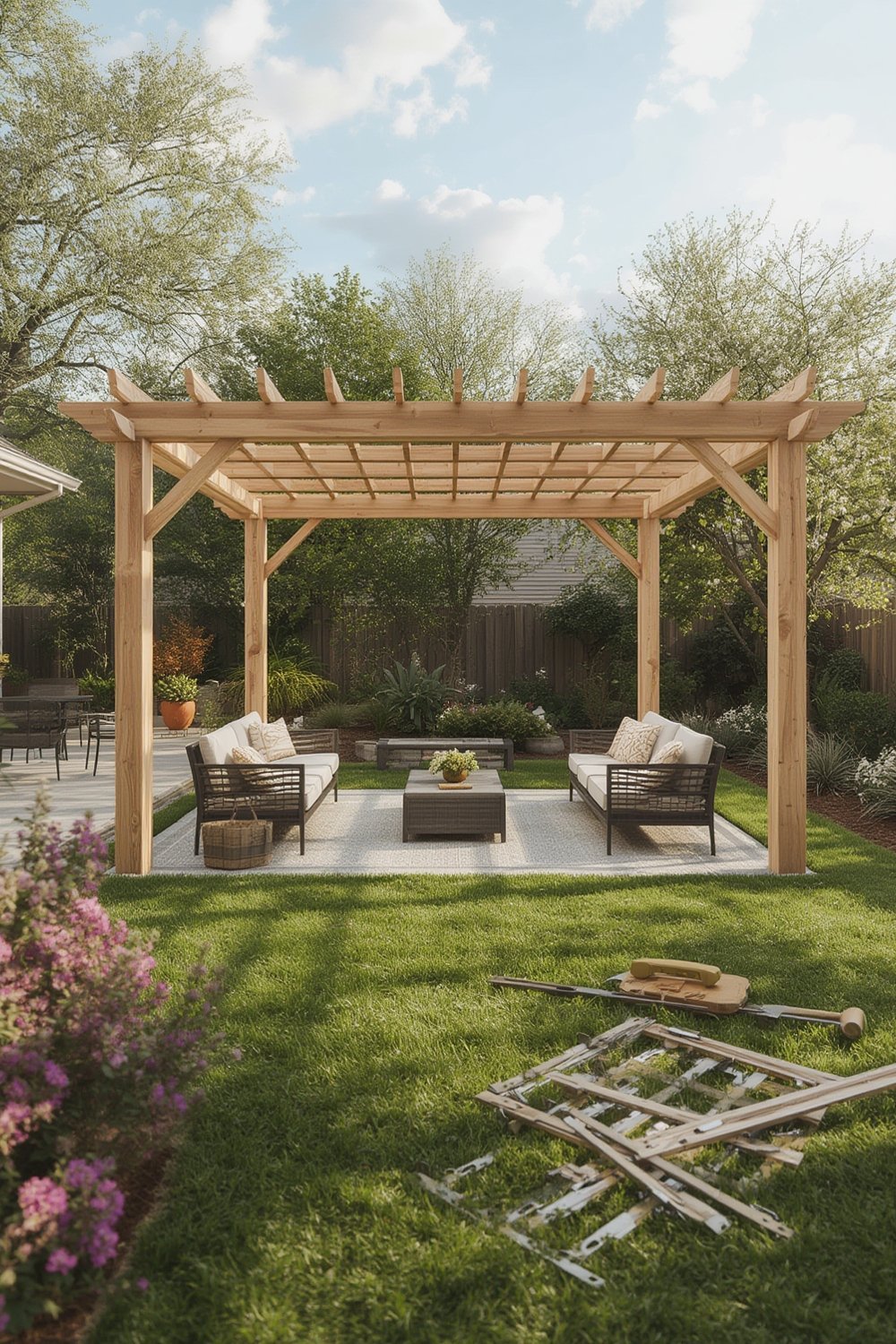
The US outdoor living structures market (which includes pergola kits) was estimated at USD 892.9 million in 2024, and is expected to grow over 5% per year into 2030. Pergolas and patios alone make up over 60% of these outdoor upgrades (source).
Here’s why people love installing pergola kits:
- Cost — typically 30–50% less than hiring a contractor or carpenter for a custom build.
- DIY-Friendly — most kits require basic tools and moderate experience.
- Customizable — choose wood, metal, or vinyl for different looks, and expand with privacy panels, lighting, or vines.
- No Permit Hassles — in many areas, prefabricated (kit) pergolas can be installed without the time and paperwork of major structures.
Outdoor pergola kits fit almost any space: they can be free-standing or attached, used for backyard sitting areas, over a patio seating set, or even as a basic garden trellis.
Thinking about elevating your space even further? Pair your pergola with projects like an indoor vertical garden system or a pet-friendly artificial grass turf for a complete backyard retreat.
How to Install an Outdoor Pergola Kit: Step-by-Step
Building an outdoor pergola kit is doable for most homeowners with basic tools and a friend or two to help. Here’s a straightforward plan — always check the manufacturer’s manual for kit-specific guidance, and confirm that your area doesn’t require permits for this type of structure.
- Choose Your Location
- Measure space against the pergola dimensions. Check for level ground and avoid placing near underground utilities or overhead wires.
- If using for dining or relaxation, orient for shade at your preferred time of day.
- Prepare the Ground
- Clear the area of grass, roots, or debris. For maximum stability, install on a concrete pad, patio, or deeply set pavers. Soil installs should use anchor brackets at minimum.
- Mark the perimeter and double-check everything is square using a string or chalk line.
- Layout and Inventory
- Open all boxes. Separate beams, rafters, posts, hardware, and brackets. Match everything to the instruction guide.
- If anything is missing, call customer service before starting.
- Install Posts
- Follow kit directions. For concrete or paver installs, use the supplied base brackets and heavy-duty masonry anchors. For soil installs, set posts in concrete footings at recommended depth (often 18–24 inches).
- Check every post for plumb as you go.
- Attach Main Beams & Rafters
- Position horizontal beams on top of posts, loosely secure, and make sure they’re level. Then, add rafters (cross pieces) according to spacing in the instructions.
- It’s helpful to have a second person hold beams while you screw them in place.
- Final Assembly and Secure All Connections
- Tighten all fasteners only after entire frame is assembled and confirmed square.
- Install any decorative end caps, lattice, or privacy screens included with your kit.
- Inspect and Add Accessories
- Confirm the structure feels solid. Attach shade canopies or snap-on privacy panels if included.
- Want to add lighting or plant hooks? Integrate solar garden lights (read our buying guide) or modular furniture for a resort-like finish.
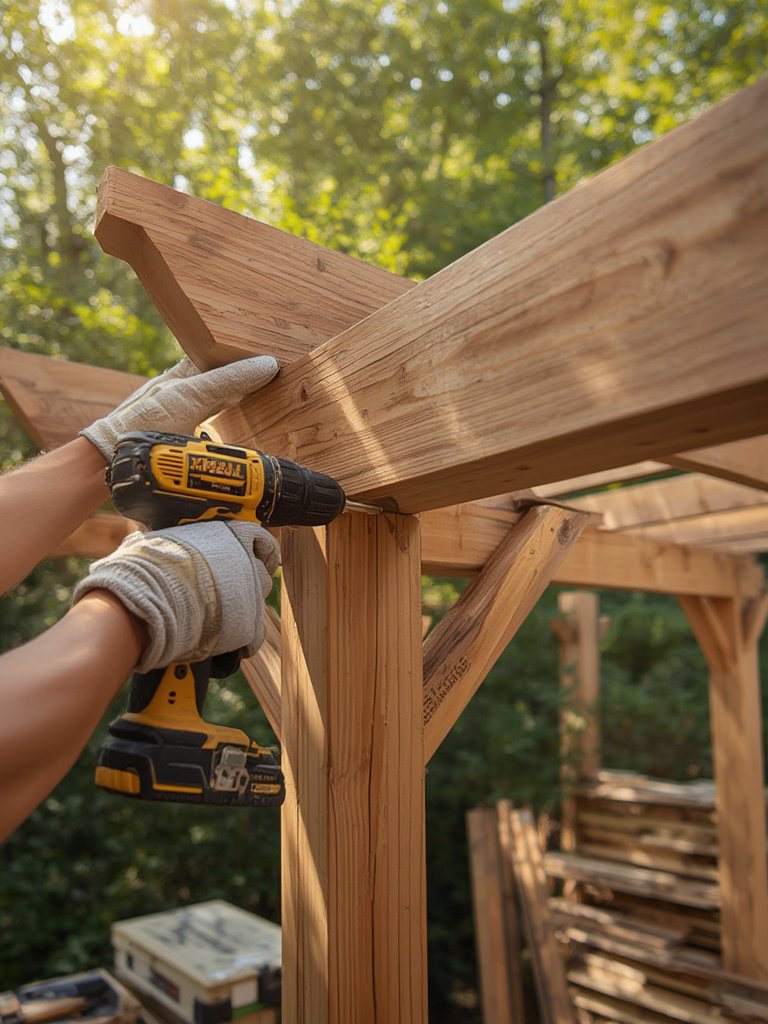
Freestanding kits usually take most homeowners 4–10 hours, depending on complexity, number of helpers, and site prep. If you get stuck, many kit instructions include a customer service hotline or videos—take advantage before going off-script.
For added weatherproofing underfoot, consider pairing your project with a water-resistant under sink organizer system for poolside or outdoor kitchen setups.
Advanced Analysis & Common Pitfalls
While prefab pergola kits promise easy upgrades, real-world builds come with challenges. Here’s what the data—and experienced DIYers—say are common issues:
- Incomplete Parts or Unclear Instructions — Missing bolts or vague diagrams can derail weekend plans; always inventory and clarify up front.
- Poor Site Prep — Uneven ground or skipping footings will leave the pergola wobbly or cause premature wear. Setting posts in concrete is best unless your kit specifically says otherwise.
- Time Underestimation — Most kits are marketed as “a quick afternoon build,” but expect to spend a full day if working solo and allow for troubleshooting.
- Wrong Material for Climate — Metal kits resist rot and termites but can get hot and may corrode in coastal zones. Wood looks classic but requires Annual sealing/staining — and vinyl can discolor or crack in harsh cold.
- Permit Confusion — Some towns require permits even for prefab kits. Always call your local office if unsure.
| Material | Durability | Maintenance | Climate Suitability |
|---|---|---|---|
| Wood (Cedar, Redwood) | 10–15 years (sealed) | Annual sealing/staining | All climates (protect from moisture) |
| Metal (Aluminum, Steel) | 15+ years | Minimal; inspect for rust/corrosion | Best for dry or humid zones; may heat up in sun |
| Vinyl/Composite | 15–25 years | Wash occasionally | Good for most climates, susceptible to cold cracking |
For deep dives into year-round yard or pet comfort, explore our guides on smokeless fire pits or dog cooling vests — essential for making outdoor spaces comfortable for everyone.
Conclusion
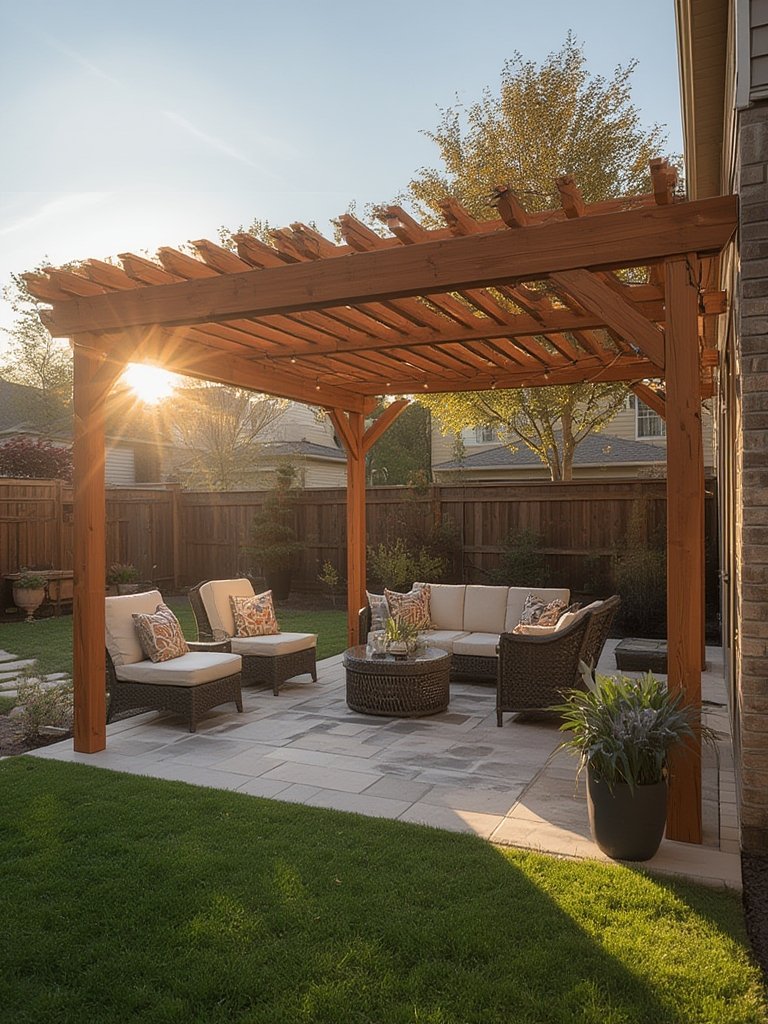
Backyard entertaining and relaxation are easier and more affordable than ever with an outdoor pergola kit. Choose the right material for your climate, follow prep steps closely, and allow extra time for a frustration-free build. Check reviews and warranty details before buying — smart planning upfront leads to seamless installation and years of enjoyment.
Ready to transform your backyard with an outdoor pergola kit? Shop around, compare designs, and dive into DIY—your ideal outdoor haven is just a weekend away. Need help with accessories, from fire pits to smart sprinklers? Our buying guides have you covered.
FAQ
Do I need a permit for an outdoor pergola kit?
In many areas, smaller prefab pergola kits under a certain size do not require a permit, but local rules vary. Always check with your city’s building office first.
Can I install a pergola kit by myself?
Some compact kits are solo-friendly, but most require at least two people for safety and ease. Expect assembly to take 4–10 hours depending on size and complexity.
What type of pergola kit is best for wet or cold climates?
Metal and vinyl kits require less maintenance and hold up well against moisture, while wood will need annual sealing. For freezing climates, avoid low-grade vinyl as it can crack.
How long will an outdoor pergola kit last?
Properly installed and maintained, most wood kits last 10–15 years, vinyl kits 15–25 years, and metal kits often 15+ years. Severe weather and poor upkeep can shorten this lifespan.
What accessories go well with a pergola?
Shade canopies, string lights, privacy panels, outdoor furniture, and even fire pits are popular add-ons. Browse our guide to outdoor modular furniture for inspiration.
—