

Solar garden lights waterproof are changing how homeowners illuminate their gardens and pathways with cost-effective and weather-resistant lighting solutions.
Key Takeaways
- Solar garden lights with waterproof features are surging in popularity globally, particularly in budget segments with millions of units sold annually.
- Waterproof ratings like IP65, improved battery life, and high-lumen LEDs set apart the best solar garden lights in 2024—but battery lifespan and reliability in low sunlight remain challenges.
- Simple DIY installation and minimal maintenance keep overall costs down, but buyers should be aware of battery replacement needs and performance limits in extreme weather.
- The Core Concept: What Makes Solar Garden Lights Waterproof?
- Step-by-Step Guide: Choosing and Installing Waterproof Solar Garden Lights
- Advanced Analysis & Common Pitfalls
- Conclusion
- FAQ
The Core Concept: What Makes Solar Garden Lights Waterproof?
Solar garden lights waterproof are outdoor fixtures powered by built-in solar panels, designed to resist water infiltration and offer reliable illumination throughout the year. Driven by rising sustainability and maintenance-free outdoor lighting needs, these lights have seen major growth in Asia-Pacific and North America. Technologies such as high IP65 waterproof rating or higher keep moisture and dust out, while LEDs and polycarbonate housings improve durability.
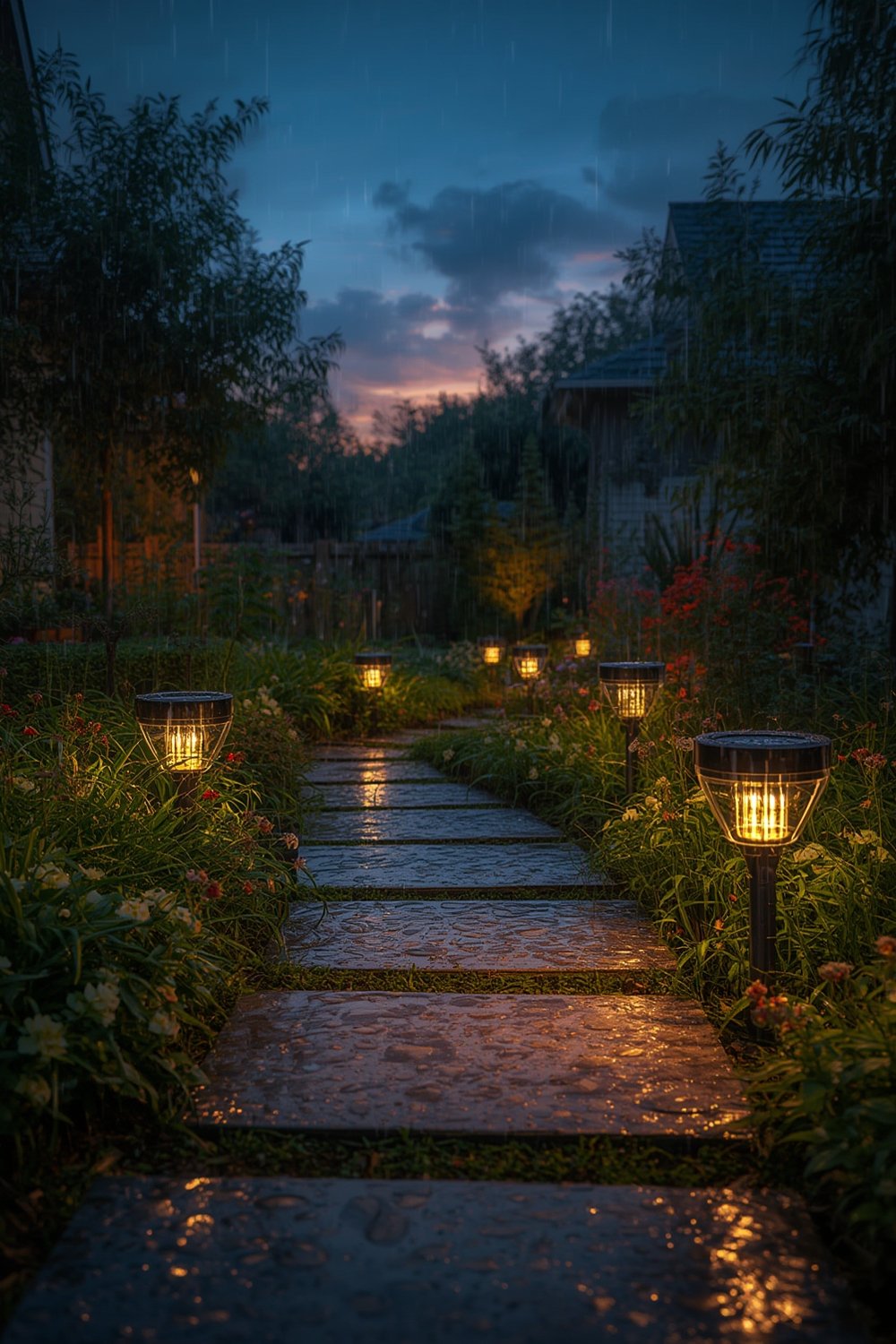
Solar garden lights waterproof are especially attractive because they eliminate wiring costs, reduce energy bills, and support sustainable landscaping. The most budget-friendly options usually have less than 39 watts of power and come with built-in rechargeable batteries. As of 2024, global sales in this segment are projected to reach $1.5 billion (source), with affordability and ease of installation driving adoption. However, their performance still depends heavily on sunlight access and component longevity.
If you’re drawn to smart and sustainable outdoor products, you might also want to check out innovations like the smart sprinkler controller or DIY-friendly vertical garden system.
Step-by-Step Guide: Choosing and Installing Waterproof Solar Garden Lights
Setting up solar garden lights waterproof is easier than you might think. To maximize efficiency and value, follow these steps:
- Assess your outdoor space. Identify areas that get sunlight for at least 6 hours daily. Shaded spaces may need adjusted placement.
- Check technical specifications. Prioritize units with an IP65 waterproof rating or higher, high-lumen LED outputs, and batteries with at least a 6-8 hour runtime. For reference, HAICHANG OPTOTECH’s 2024 models offer anti-UV covers and polycarbonate bodies for long-term weather resistance (source).
- Compare models for affordability and ease of installation. Many sets require no tools or wiring. Simply stake them into the soil and ensure the solar panels face the sun.
- Monitor battery life and charging time. Most budget garden lights now charge quickly—typically within 6-8 hours of sunlight—thanks to improved panels, but extended cloudy days will slow recharging.
- Plan for periodic maintenance. Solar panels and casings should be wipe panels clean regularly. Check for condensation inside the case as a sign the waterproof seal may be failing.
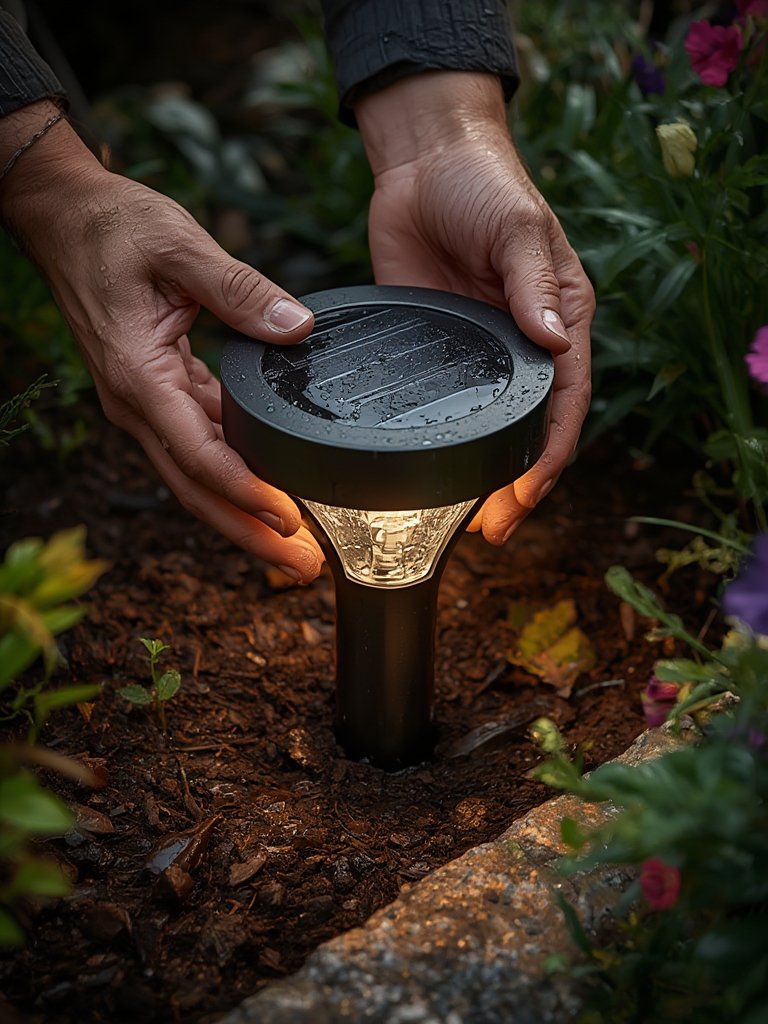
Before buying, read the package for warranty terms and replacement part availability. Brands like HAICHANG OPTOTECH focus on affordability and water resistance, but warranty specifics are often buried in the fine print. For all-around garden solutions, also see our tips for safer landscapes with a wireless GPS dog fence or ways to control pet messes using an automatic litter box.
Installation is usually DIY, while maintenance boils down to battery replacement every 1 to 2 years. LED bulbs outlast older lamp types, so most failures result from exposure or battery fatigue—both easily managed with affordable replacements.
Advanced Analysis & Common Pitfalls
Solar garden lights waterproof are generally reliable, but several realistic limitations affect their long-term ROI—especially in the lowest-cost models. Here is what current research and customer feedback suggest:
- Battery life: Budget models can use lower-quality batteries, which fade quickly after many charge cycles. Expect to replace batteries every 1-2 years.
- Waterproofing materials: Advanced IP65 (or higher) rated lights handle rain, but freezing and thawing cycles may compromise seals over time. Look for polycarbonate or anti-UV casings for best performance in sun and snow, as seen in leading 2024 models (source).
- Charging limitations: Extended cloudy or winter days slow charging. If you live in low-sunlight regions, output and battery runtime will drop.
- Installation errors: Shaded placement or blocked panels is a top complaint. Test charge locations before permanently installing.
- Lab-tested performance: While many makers claim “all-weather” durability, few provide real-world test data on performance in heavy rain, snow, or ice conditions. Always check for moisture inside the casing after storms as an early warning.
| Feature | Budget Solar Garden Lights | Premium Waterproof Solar Lights |
|---|---|---|
| Waterproof Rating | IP44–IP65 | IP65–IP68 |
| Material | Plastic, limited UV resistance | Polycarbonate, anti-UV, tempered glass |
| Average Battery Life | 1–2 years | 2–4 years |
| Charging Time | 7–10 hours | 5–7 hours |
| DIY Installation | Yes | Yes |
| Estimated Price Range | $15–$40 / set (4–12 lights) | $40–$90 / set (4–12 lights) |
Replacement batteries and rare failed LEDs are usually easy to source, but always budget for replacements. For comparison, see how battery powered lawn mowers face similar rechargeable maintenance cycles.
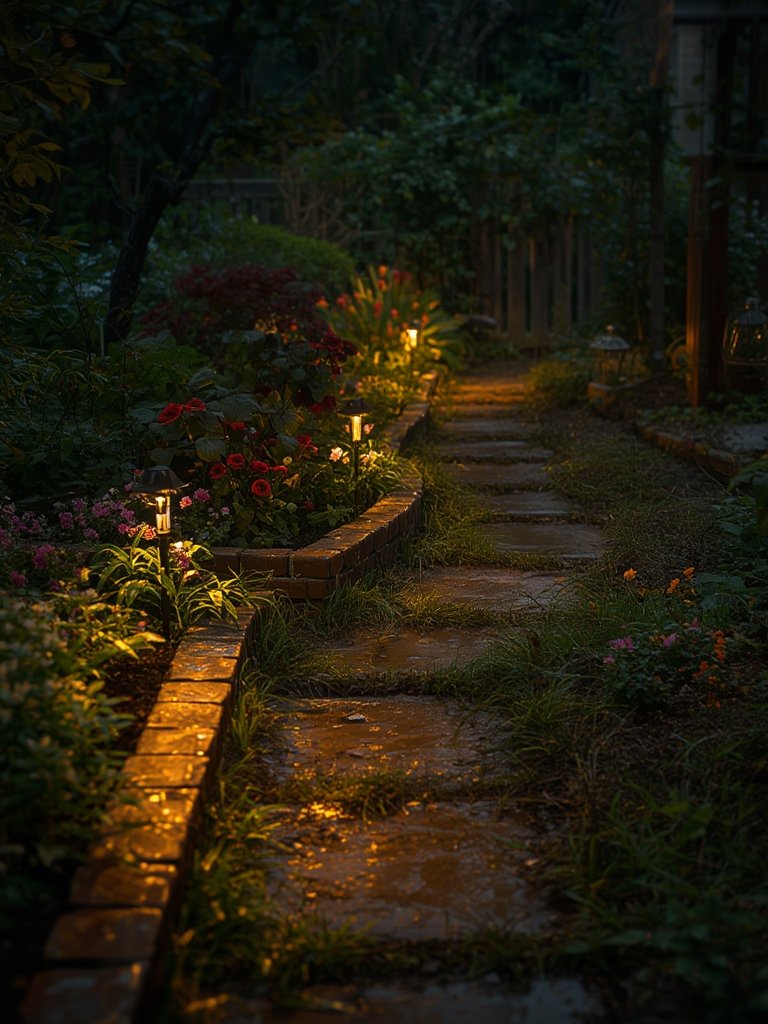
When it comes to extreme weather, true laboratory verifications remain rare. Innovations like advanced seals and polycarbonate shells help, but if you live in regions with freeze-thaw cycles or regular flooding, periodic checks for condensation and corrosion are essential. Many top-rated lights perform best in regions with reliable, high solar exposure.
For inspiration on building low-maintenance outdoor spaces, check out guides like expandable garden hoses and artificial grass turf. These pair well with your solar garden strategy for a hassle-free backyard.
Conclusion
Solar garden lights waterproof bring flexible, affordable, and energy-efficient lighting to any outdoor space—but only if you pick the right models and maintain them well. Battery quality, waterproof seals, and sunlight exposure make all the difference between a long-lasting installation and a short-lived disappointment.
For most homeowners, a set of solar garden lights waterproof is a smart investment—especially when installed carefully and checked regularly. Ready to illuminate your garden? Compare specs, read reviews, and choose a kit that matches your climate and usage. Your yard—and your wallet—will thank you.
FAQ
How long do waterproof solar garden lights really last?
Most budget solar garden lights last 1–2 years on the original battery, with better models reaching 3–4 years or more. LED bulbs are rarely the problem—the battery and waterproof seals are what usually wear out first.
What does IP65 mean on solar garden lights?
IP65 means the lights are dust-tight and resistant to low-pressure water jets from any direction—enough for heavy rain, but not for full submersion or prolonged pooling.
Can I leave solar garden lights outside in winter?
Yes, but performance drops when days are short and solar panels can’t fully recharge the battery. In snowy climates, check casings for cracks and wipe panels clean to maintain charging efficiency.
How do I replace a solar garden light’s battery?
Most solar garden lights use replaceable AA or AAA NiMH batteries. Open the waterproof housing, swap batteries, and ensure the rubber or silicone seal sits tight before reclosing the unit.
Are there any extra installation or maintenance costs?
For DIY installation, extra costs are rare. Expect small outlays for replacement batteries every few years. Battery-powered units rarely need professional help unless the waterproof seal fails permanently.