

Expandable garden hose sales are surging in 2024, promising a clutter-free watering solution that fits nearly any garden—or balcony. But do these hoses really outperform traditional options? Below, you’ll find everything you need to decide if this clever coil is really worth it, including realistic pros, frequent pitfalls, and smart buying tips.
Key Takeaways
- Expandable garden hoses continue to outpace traditional hoses in global growth, driven by residential demand and innovation.
- Durability and performance are real pain points—many hoses fail early due to leaks or loss of elasticity over time.
- Comparative specs and real lifespan data are often missing; buyers should prioritize solid fittings and reinforced materials.
- The Core Concept: Expandable Garden Hose Explained
- Step-by-Step Guide: How to Choose and Use an Expandable Garden Hose
- Advanced Analysis & Common Pitfalls
- Conclusion
- FAQ
The Core Concept: Expandable Garden Hose Explained
An expandable garden hose is a lightweight, flexible hose that expands up to three times its original length when filled with water, then contracts for compact storage after use. The appeal? These hoses eliminate bulk and tangling, reduce kinking, and make watering effortless—even on cramped patios. This trend isn’t fading: the global market was valued at $1.5 billion in 2023 and is projected to hit $3.5 billion by 2031, at a CAGR of 12.5% [source].
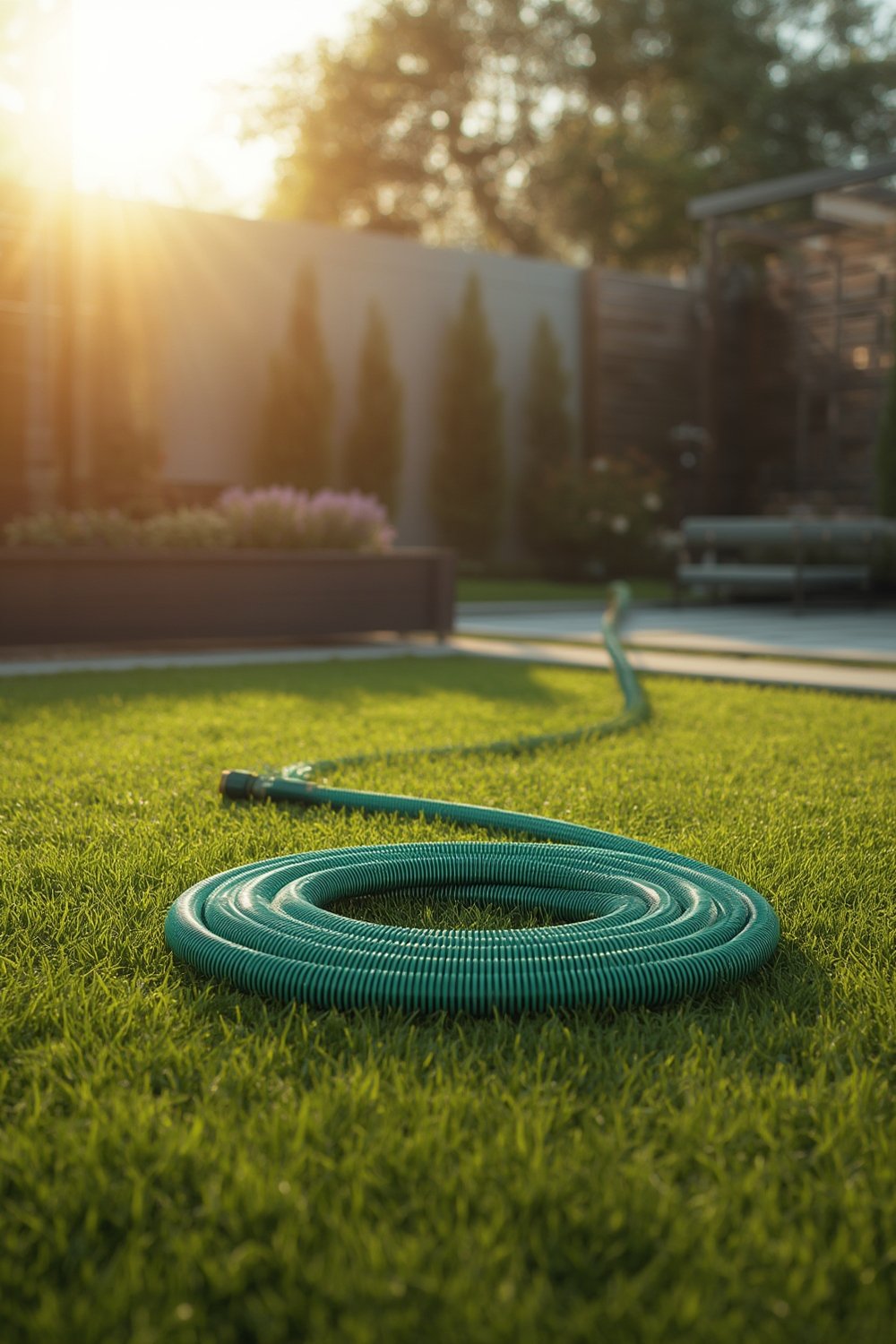
Urban gardeners, homeowners, and even apartment dwellers turn to expandables for their portability, quick storage, and easy handling. Brands like Flexi Hose, GrowGreen, and TBI Pro are leading trends by adding durable brass fittings and portable coil designs [source]. With water conservation and urban gardening on the rise—especially in North America and Europe—it’s no surprise this hose style dominates residential sales.
If you’re keen on further optimizing outdoor space or managing water more efficiently, consider pairing a smart solution (like a smart sprinkler controller) with your expandable hose.
Step-by-Step Guide: How to Choose and Use an Expandable Garden Hose
Ready to pick the right hose? Here’s a clear, actionable process:
- Identify your needs. How long does the hose need to be? Measure the furthest distance from your water source to your garden or patio.
- Select the best material blend. Look for hybrid polymer or TPE (more than 65% recycled is ideal) if you want better durability and eco-friendliness [source].
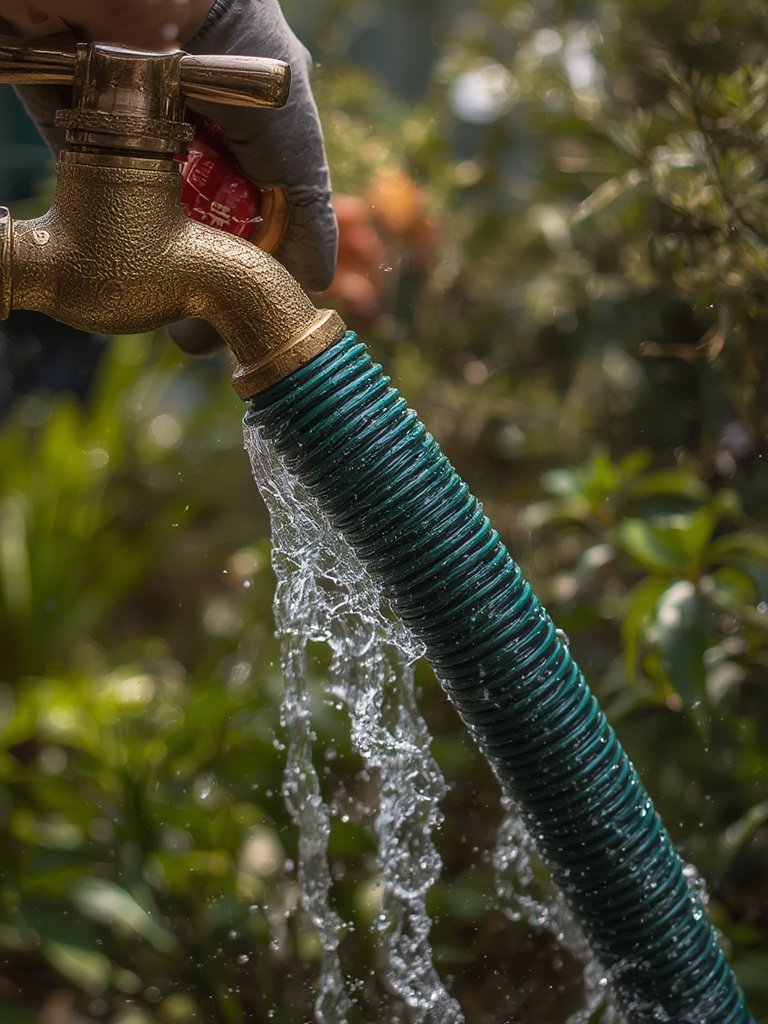
- Check the fittings. Prioritize hoses with solid brass fittings or heavy-duty anti-leak connectors; these outperform and outlast plastic alternatives.
- Examine warranty and returns. Stick with brands offering at least a one-year warranty—this is a good sign of quality and customer support.
- Research user feedback. Scan for repeated complaints—avoid models with lots of reports about leaks, weak connectors, or lost flexibility.
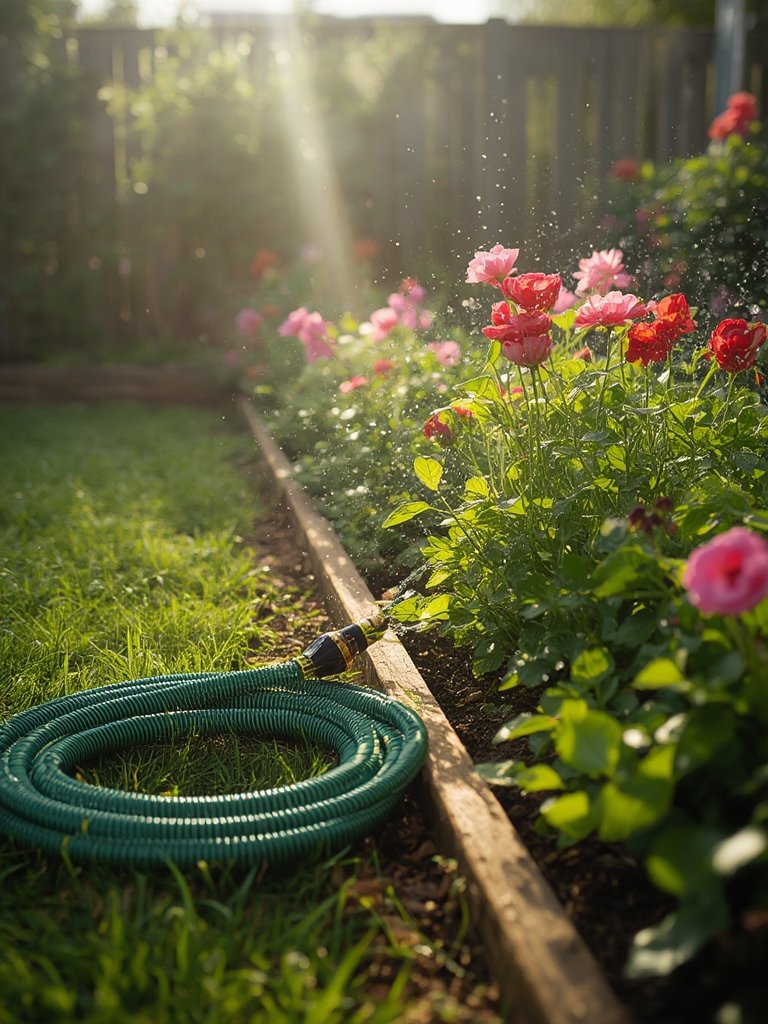
- Perform regular care. After every use, drain the hose and store it out of direct sunlight, which helps maintain elasticity.
Related read: If your garden setup requires vertical planting or urban-friendly solutions, explore the vertical garden system setup guide for space-maximizing ideas.
Advanced Analysis & Common Pitfalls
Despite growing demand, expandable hoses aren’t perfect. Here’s what market data and user reviews actually reveal:
- Durability is limited. Many hoses develop leaks, lose stretch, or burst after just one or two seasons—especially when exposed to harsh sunlight or water pressure spikes.
- Performance varies by material. While hybrid polymers are better, fluctuating raw material costs mean quality can be inconsistent even within brands [source].
- Kink-resistance sometimes fails. Although these hoses market themselves as “no kink,” reality shows frequent problems, mostly in low-cost or unreinforced models.
- Missing specs and unclear lifespan. Manufacturers rarely provide exact technical specs (like pressure rating or burst strength), and lifespan comparisons to traditional hoses are lacking.
- Commoditization risk. Rapid market growth and competition mean similar-looking products can have dramatically different performance.
| Feature | Expandable Garden Hose | Traditional Rubber/Vinyl Hose |
|---|---|---|
| Weight | Very light (2-5 lbs / 50ft) | Heavier (8-15 lbs / 50ft) |
| Storage | Compacts to 1/3 length | Bulky, rigid when coiled |
| Likely Issues | Leaks, burst, reduced stretch, kinks on cheap models | Kinking, heavy to maneuver, slow draining |
| Tech Specs* | Expansion: Up to 3x; pressure/burst: Not standardized | Pressure/burst: 200-500 psi standard rating |
| Price (2024) | Varies (insufficient market data) | Varies ($25-$100 typical) |
*Note: Few expandables publish concrete PSI or burst ratings. Confirm with the seller if this data is crucial for you.
Searching for clean outdoor storage to extend your hose’s life? Consider a weatherproof outdoor shed for year-round protection.
Conclusion
Expandable garden hoses solve real problems for urban and suburban gardeners—easy storage, tangle-free use, and lightweight design. But weak durability and lack of technical transparency mean you must choose carefully.
Focus on solid brass fittings, hybrid materials, and reasonable warranty—then follow good care practices. Innovations are coming fast, and leading brands are responding to frequent complaints, but for now, savvy buyers should read reviews with a critical eye.
Want a setup that saves time and mess? Pair your expandable garden hose with a garden kneeler seat and a pet hair remover for a truly tidy, enjoyable outdoor space.
The best value from an expandable garden hose comes from balancing your expectations of performance, upkeep, and practical needs. Ready to make gardening simpler? Dive in and pick the hose that matches your lifestyle and storage priorities!
FAQ
How long do expandable garden hoses actually last?
While some brands claim 2-3 seasons of use, many users report leaks or lost stretch after just one summer—especially if left in direct sun or exposed to freezing. No standardized data exists; care and indoor storage are crucial for longevity.
Are expandable hoses safe for high-pressure washers?
Most are not rated for pressure washers. Without clear PSI or burst specs, use only on standard garden taps unless the hose specifically lists compatibility.
What’s the main difference between brass and plastic connectors?
Brass connectors are more leak-resistant, less prone to cracking, and better for frequent use. Plastic connectors are lighter and cheaper but often wear out quickly and may drip under pressure.
What should I look for to avoid buying a low-quality expandable hose?
Prioritize hoses with hybrid polymer inner cores, double/knitted outer shells, solid brass fittings, and check real-world user reviews for repeated complaint patterns. Also, look for at least a one-year warranty and clear return policy.
How do I store my expandable hose in winter?
Drain all water, coil the hose loosely, and store it in a dry indoor spot to prevent internal freezing or outer shell cracking.
—