

Robot lawn mower sales are surging in 2024, transforming how homeowners and professionals approach yard care. These hands-free mowers bring new tech benefits—but also real limitations that aren’t discussed enough. Here’s what you need to know before you ditch traditional mowing for a smart, automated solution.
Key Takeaways
- Robot lawn mowers are growing fast, but true user reviews and clear cost breakdowns are often missing from most guides.
- Automated mowers handle many lawns, but issues like uneven terrain, setup costs, and safety still need careful consideration.
- Tech advances bring better performance and safety—yet knowing what’s left out of “best of” lists saves headaches later.
- What Is a Robot Lawn Mower and Why Use One?
- How to Successfully Set Up and Use a Robot Lawn Mower
- Advanced Analysis & Common Pitfalls
- Conclusion
- FAQ
What Is a Robot Lawn Mower and Why Use One?
A robot lawn mower is a fully automated, battery-powered device designed to independently cut your grass on a schedule. It uses sensors, GPS, AI, and sometimes boundary wires to safely navigate your yard—all with minimal human oversight. Smart lawn robots can self-dock for charging, follow custom mowing routes, and adapt to different shapes, sizes, and complexities of residential and commercial lawns.
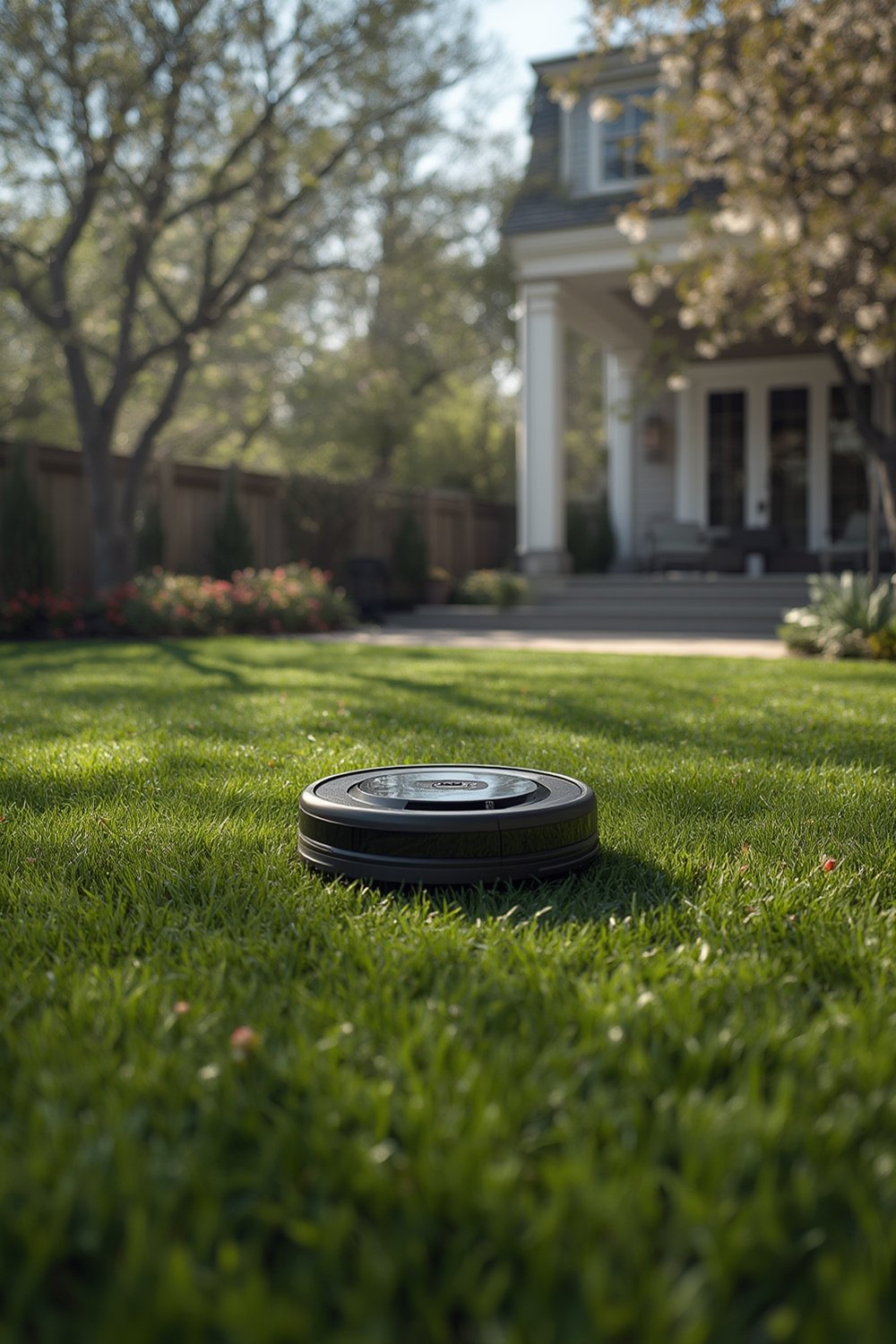
The global robot lawn mower market was valued up to $2.5 billion in 2024, with worldwide demand expected to at least triple by 2034 as battery, AI, GPS, and sensor technology continue to advance [source]. North America leads in adoption, Europe drives demand with lawn aesthetics, and Asia-Pacific is growing fastest, driven by urbanization [source]. Robot mowers appeal most to:
- Homeowners with small to mid-sized lawns who prioritize time savings and a tidy look
- Commercial landscaping and smart city projects requiring automation at scale
- Anyone wanting to reduce noise, emissions, or manual labor compared to gas or manual push mowers ([source])
But for all the benefits, automated mowing isn’t “perfect”—setup complexity, costs, and suitability for difficult lawns require a closer look.
How to Successfully Set Up and Use a Robot Lawn Mower
Ready to go hands-free? Here’s a no-nonsense, actionable guide to actually making a robot lawn mower work for your yard.
- Assess Your Lawn
Measure your yard size, identify slopes, shaded areas, thick grass species, and obstacles (trees, trampolines, pools, garden beds). - Choose the Right Robot Mower
Not all models are equal. Look for battery life, cutting width, maximum area supported, slope handling, safety features (child/pet sensors), and app/GPS integration. If you want the quietest operation, check decibel ratings. If you need coverage for steep slopes, don’t believe “universal” marketing—read the slope percentage or degree maximum. For a traditional electric alternative, consider battery-powered lawn mowers. - Site Prep & Installation
Most robot mowers require a boundary wire. Plan for at least an afternoon to lay and secure wiring (either above or just below the surface). Install the charging dock in an easily accessible, level, and weather-protected area with nearby power. - Initial Programming & Mapping
Use the mower’s app or onboard controls to set mowing schedule, map boundaries, and define any restricted “no-mow” zones. Walk the area during the first mowing sessions to make manual corrections. - Ongoing Maintenance
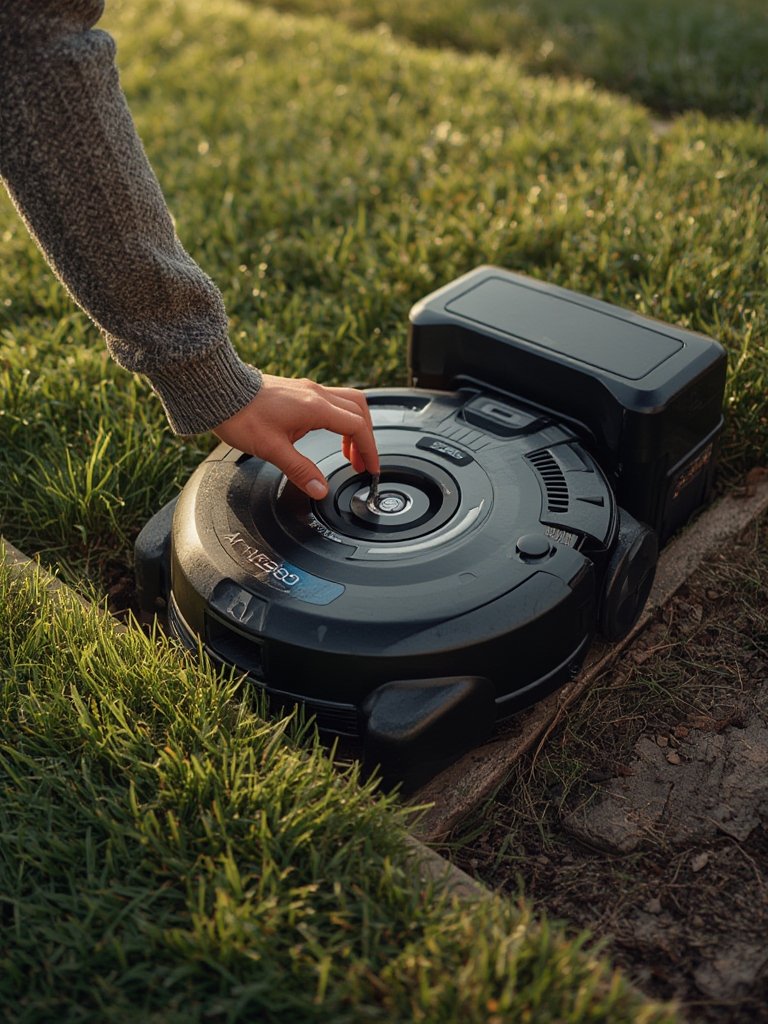
Check blades monthly, clear debris from wheels/sensors, and update firmware via the app if supported. Replace blades and batteries as recommended. Track issues—if the mower regularly gets stuck or misses patches, remap boundaries or contact support.
- Safety & Security Tips
Watch out for pets or children when the mower is running. For theft prevention, use a security cable/anchor for the charger and activate GPS tracking if your model supports it. Some advanced models allow remote lockout. - Compatibility Tips
For pet owners, robot mowers pair well with smart outdoor solutions—see the wireless GPS dog fence and automatic dog doors to keep animals safe from moving parts.
Troubleshooting early—before small issues become chronic—will keep your investment running for years. For those looking to really automate outdoor care, pair with a smart sprinkler controller for a true set-and-forget lawn system.
Advanced Analysis & Common Pitfalls
Most “top 10 robot mower” lists skip the real-world catch: not every lawn, or budget, is an ideal match. Here’s what commonly goes wrong or gets overlooked in the automated mowing world:
- Cost Transparency
Upfront robot lawn mower costs remain significantly higher than traditional mowers. Budget models start around $600, while top performers for large lawns or steep slopes can reach $2500 or more. Installation kits, replacement blades, extra boundary wire, and regular maintenance add to the bill. Although prices are expected to fall with market growth (source), true all-in costs are rarely clear. - Uneven Terrain Struggles
Early robot mowers struggled on bumpy or steep areas—current models are better with slopes but “universal” claims don’t match every yard. Thick grass, roots, and sudden changes in grade still trip up even advanced robots. Expect to use a manual or battery-powered trimmer for tight spots or edges—a good pairing is with a portable electric chainsaw for small tree limbs too tough for the mower blades. - Missing User Feedback
Despite rapid market growth, detailed real-user complaints on reliability, safety, or specific brands’ ongoing issues are limited in public records (source). - Weather and Grass Type Limits
Most models handle moderate weather well, but heavy rain, thick or wet grass, or certain weed species can lead to clogging, wheel spin, or shutdown. Few reviews detail which models (if any) excel in these tougher conditions. - Kids and Pets
Most robots have bump sensors and height sensors for safety, but there’s no substitute for supervision. Some units lack advanced child or pet-safe algorithms—if this matters, double-check before buying. - Theft Concerns
High initial cost can make robots a target, especially in visible front yards. Beyond GPS, few models offer robust anti-theft systems beyond PIN-lock or alarms.
If you’re considering alternatives for tough environments or water-scarce regions, check out artificial grass turf to skip mowing completely.
| Category | Robot Lawn Mower | Traditional Electric | Manual Push |
|---|---|---|---|
| Initial Cost | $600-$2500+ | $250-$600 | $100-$300 |
| Annual Maintenance | $40-$150 | $20-$60 | $10-$30 |
| Noise Level | 50-70 dB | 70-90 dB | 70-90 dB |
| Best For | Small/medium, low-clutter lawns | Medium/large, even lawns | Small, open lawns |
| Safety | Sensors, some GPS tracking | Manual operation only | Manual operation only |
| Time Commitment | 10-15 min/month | Up to 1 hr/week | Up to 2 hrs/week |

Conclusion
The robot lawn mower landscape in 2024 offers hands-free convenience, rising market growth, and evolving features. Yet, buried setup requirements, cost questions, and uneven lawn limitations remain—especially for homes with unusual layouts or heavy pet/child activity. For homeowners or commercial users aiming to automate outdoor maintenance, weigh not just the promises but also the practical realities discussed above. Ready to find the right robot lawn mower for your yard? Start by measuring your space and comparing local dealer demos before you buy.
FAQ
How much does a robot lawn mower really cost?
Expect to pay $600-$2500+ for the mower, plus $50-$250 for installation kits and boundary wires. Annual maintenance—mainly blades and batteries—ranges from $40 to $150. Higher-end models that support larger or sloped lawns run at the top end of the price range.
Are robot lawn mowers safe for pets and children?
Most use sensors to detect obstacles, and some have lift/tilt shut-off features. However, no system is perfect—supervise pets and kids, especially on first runs, and check for pet-safe features if applicable. For better peace of mind, consider pairing with a wireless GPS dog fence.
Will a robot mower work on my bumpy or steep lawn?
Many models handle modest slopes (20-30 degrees), but very uneven or rocky yards can still be challenging. Thick grass and tree roots can cause your mower to get stuck. Read the slope specs before buying, and plan on some touch-up work for tough areas.
What maintenance is needed?
Check and clean sensors and blades regularly. Replace blades every 1-2 months in peak growing season, clean wheels, and update software via the app if supported. Store indoors over winter in cold climates if recommended by the manufacturer.
Can I save money by installing a robot lawn mower myself?
If you’re comfortable running wire and basic troubleshooting, DIY installation is doable. The main challenge is precise boundary setup to avoid mowing errors. Professional setup can speed up the process but adds cost.