

Dog paw cleaner cup is changing the way pet owners keep muddy feet outside the house. Tired of cleaning paw prints off your floors or the hassle of daily foot-washing rituals after a walk? Discover how this simple tool delivers cleaner paws with less mess—plus what to avoid when picking and using one.
Key Takeaways
- Dog paw cleaner cup market is growing fast, led by portable and eco-friendly designs.
- Material quality, cup size, and bristle type make a difference in cleaning effectiveness and pet comfort.
- Most buyer regrets stem from improper sizing, low durability, or poor bristle placement—choose wisely.
- What Is a Dog Paw Cleaner Cup and Why Use One?
- How to Use a Dog Paw Cleaner Cup: Step-by-Step Guide
- Pitfalls, Real-World Problems, and Advanced Buying Analysis
- Conclusion
- Frequently Asked Questions
What Is a Dog Paw Cleaner Cup and Why Use One?
A dog paw cleaner cup is a handheld cleaning tool designed to remove mud, dirt, and allergens from your dog’s paws quickly. Simply add water, insert the paw, twist or pump, and the bristles scrub away grime. Wipe and repeat as needed. Pet owners are using paw cleaning cups to prevent dirty prints indoors, protect sensitive flooring, and help reduce potential allergens brought in from outside walks.
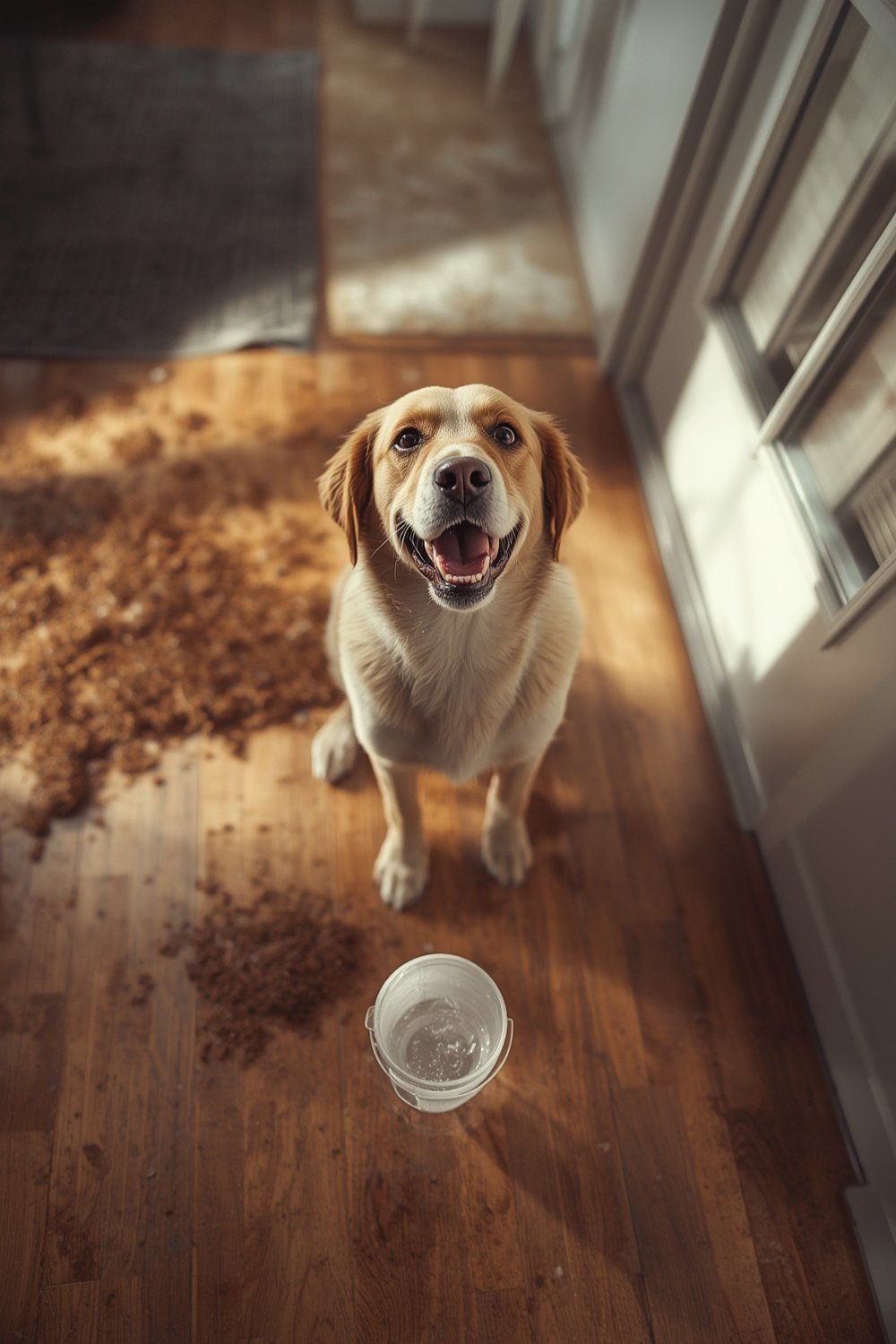
The market for these devices is surging, especially in North America and Europe, where urban living and rising pet ownership demand better solutions for routine hygiene. According to industry reports, the global dog paw cleaner market was valued as high as $32 billion in 2024 with battery-powered, portable designs comprising most sales. A 28 percent spike in demand for portable options has been reported over the last three years, reflecting how much convenience matters to pet parents (Intel Market Research).
Dog paw cleaner cups are typically made with antimicrobial or eco-friendly plastics, soft silicone or rubber bristles, and ergonomic handles to make the cleaning process fast and comfortable for both owner and dog. Higher-end models promote sustainable, non-toxic materials and advanced bristle engineering, like those from Fat Happy Pets and Bodhi Dog (source).
Considering how high foot traffic and active dogs make dirty paws a persistent problem, a dedicated dog paw cleaner cup can be a game changer for daily paw hygiene.
How to Use a Dog Paw Cleaner Cup: Step-by-Step Guide
Using a dog paw cleaner cup is straightforward, but a few pro tips will help you get the best results and avoid common messes:
- Fill the cleaner cup with lukewarm water to just below the bristle line. (Avoid over filling to prevent spills.)
- Gently insert one paw at a time, stabilizing your dog’s leg as you go.
- Rotate the cup (or your dog’s paw) 5-10 times to allow the internal bristles to work dirt from all angles.
- Remove the paw and wipe dry with a clean towel or pet wipe.
- Repeat for each paw, replacing the water if it gets too muddy.
- After cleaning, disassemble and rinse the cup and bristles to prevent bacteria buildup.
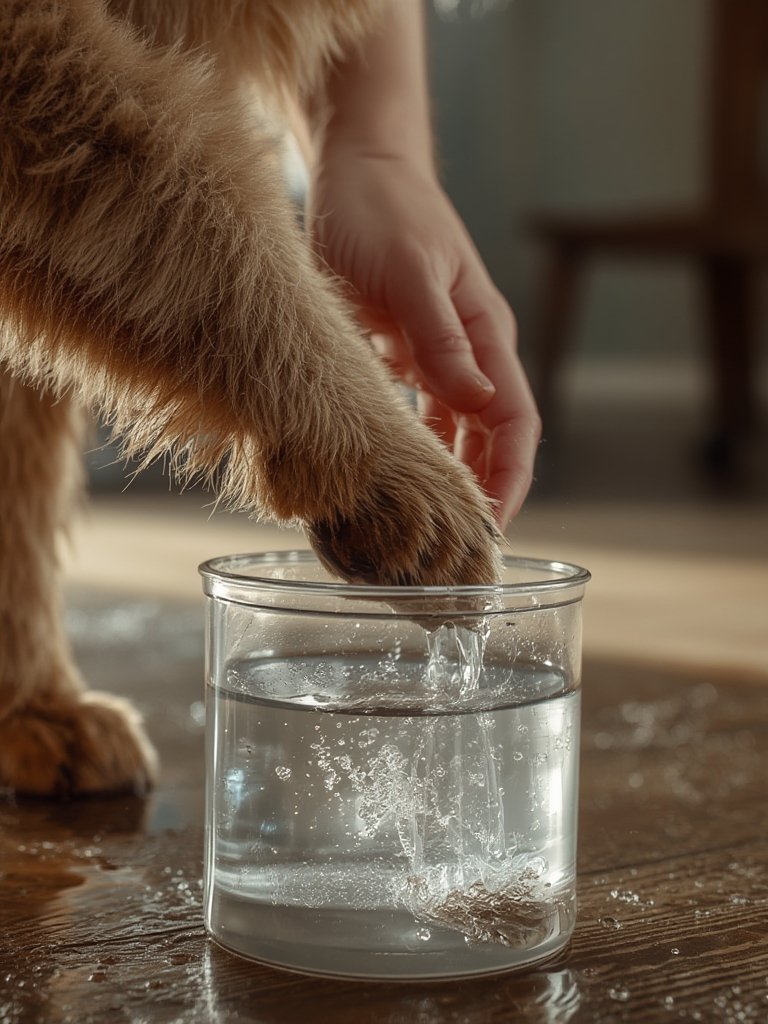
For longer-haired dogs, use a towel to squeeze out excess water before cleaning to avoid knotting fur. Stash a cup in your car for muddy park visits, or keep one by the door for rainy day routine—you’ll keep both dog and house cleaner.
If you need an automatic, mess-free solution for cats, check out our guide to the automatic litter box. For post-cleaning, encourage enrichment with dog enrichment toys to keep your pup’s mind and body active indoors.
Pitfalls, Real-World Problems, and Advanced Buying Analysis
Despite the promise of a quick clean, not all dog paw cleaner cups are created equal. Actual user complaints often point to:
- Poor fit—cups are too small or too large for certain breeds, leading to messy outcomes or device returns.
- Weak materials—thin plastics or brittle silicone bristles degrade quickly, especially if used daily.
- Difficulty cleaning—some models are tough to take apart and sanitize, which can harbor bacteria.
- Poor bristle layout—ineffective scrubbing or discomfort for sensitive paws.
- Slippery grips—cups that are hard to hold, especially with wet or soapy hands.
Unfortunately, there’s no robust published data comparing individual models on price, durability, or warranty. However, reviewing user feedback and sample sizes by breed can help. Battery-powered cups offer portability but may not be necessary for small or less active dogs. For large or hairy breeds, look for cups with deeper, denser bristle clusters.
| Feature | Entry-Level | Premium Model |
|---|---|---|
| Material | Basic plastic, standard rubber | Antimicrobial, eco-friendly |
| Bristles | Sparse, stiff/soft blend | Dense, silicone, gentle |
| Portability | Manual, cup-only | travel-ready, spill-proof lid |
| Ease of Cleaning | 2-piece, some hard to rinse | Quick-snap, dishwasher safe |
| Price Range | $10–$22 | $20–$40 |
| Intended Use | Occasional, backup | Daily, heavy-duty |
Comparison shopping? Always read return policies and warranty terms—especially for “lifetime” guarantees that require specific registration steps. There have been no reported safety issues or recalls for portable dog paw cleaners as of 2024.
If you need other clever pet hygiene solutions, explore our pet water fountain guide for hydration options, or see how a roller pet hair remover helps with cleaning up dry messes.
Conclusion
Dog paw cleaner cups offer a realistic, easy strategy to keep muddy paw prints out of your home, especially for city dwellers and families who want dry, clean floors. While the market is booming, not all models are equal, so check bristle quality, cup size, and ease of cleaning before you buy. Ready to keep your home and your pup’s feet cleaner? Try a dog paw cleaner cup after your next walk and notice the difference—your floors will thank you.
For more smart pet solutions, check out guides on the wireless GPS dog fence or our dog puzzle feeder tips.
Frequently Asked Questions
What size dog paw cleaner cup should I choose?
Measure your dog’s paws at the widest point and compare this to the cup’s internal diameter listed by the manufacturer. Too tight, and your dog will resist using it. Too loose, and the cleaning won’t be effective.
Can I use regular soap or shampoo in a dog paw cleaner cup?
For best results, use only dog-safe, gentle soaps or pet shampoos. Human soaps can irritate pet skin. Always rinse the cup thoroughly after use to remove any residue.
How often should I clean the paw cleaning cup?
Rinse and dry the cup and bristles after every use. For heavy use or very dirty paws, you may want to disinfect it weekly or run it through the dishwasher if the model is dishwasher-safe.
Are electric or battery-operated paw cleaners worth the cost?
Battery-powered models offer convenience for travel and outdoor use, especially for frequent park trips or active dogs. For at-home cleaning, manual cups are usually sufficient and more economical.
Will my dog tolerate using a paw cleaner cup?
Most dogs adjust quickly, especially if you introduce the cup slowly and use treats. Dogs with sensitive paws or anxiety may need more time. Always be gentle and create a positive association with cleaning.