

Pet camera treat dispenser devices are reshaping the way pet owners connect with and care for their pets, even when they’re away from home.
Key Takeaways
- The global pet camera treat dispenser market reached $1.46 billion in 2024 as interactive features and smart connectivity drive adoption.
- Pain points, pricing, and technical standards in these devices remain unclear, but demand for AI, app control, and treat compatibility is rising.
- Buyers should scrutinize video quality, dispenser reliability, treat compatibility, and security when choosing a pet camera treat dispenser.
- Understanding Pet Camera Treat Dispensers
- How To Set Up and Use a Pet Camera Treat Dispenser
- Advanced Analysis & Common Pitfalls
- Conclusion
- FAQ
Understanding Pet Camera Treat Dispensers
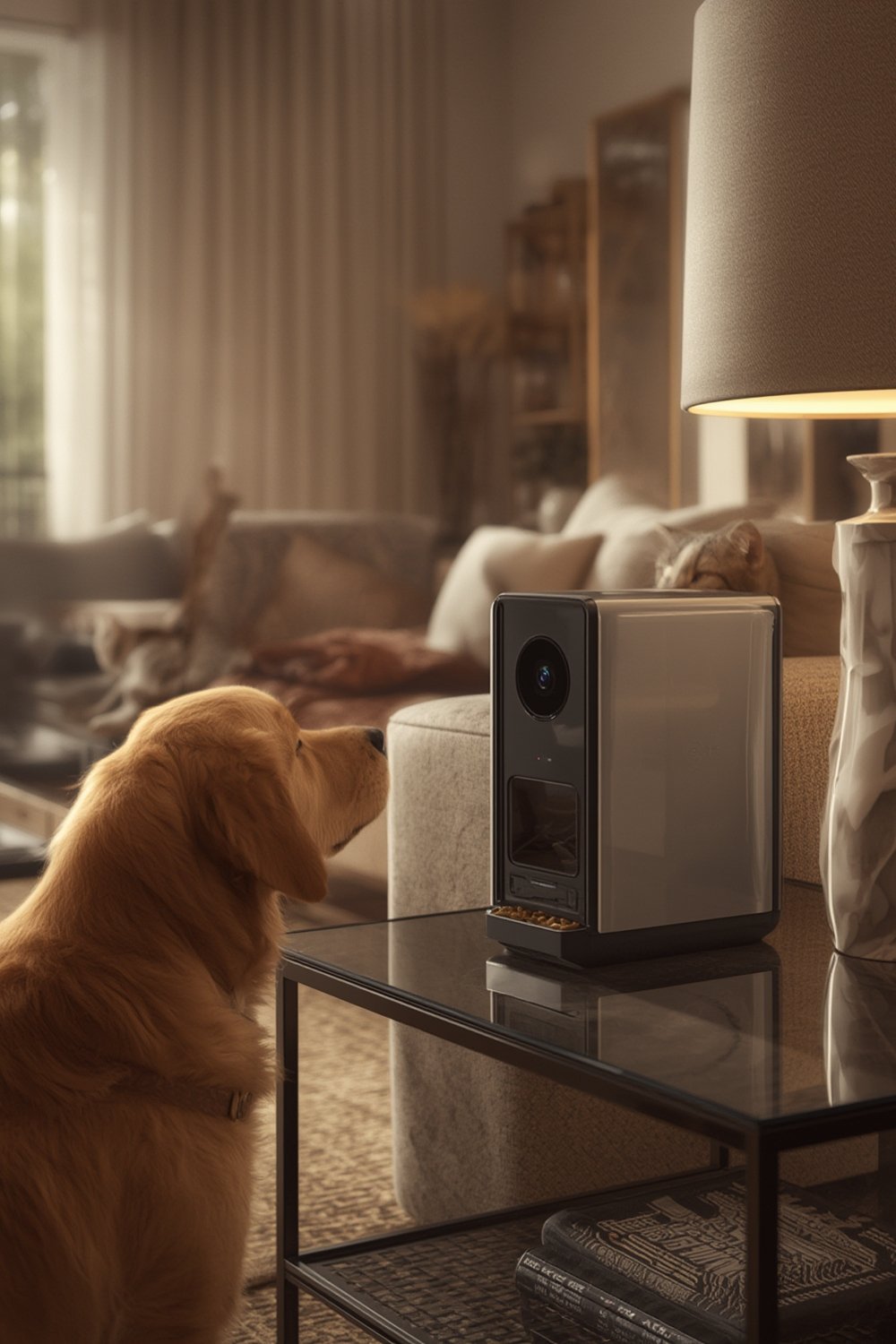
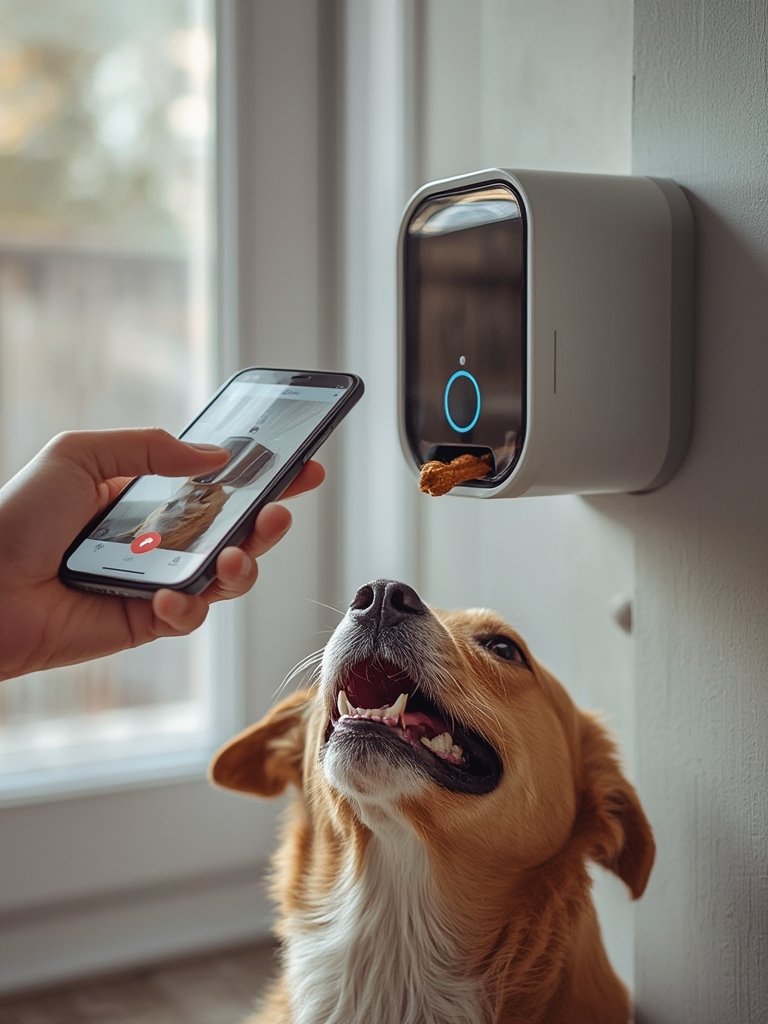
At their core, pet camera treat dispenser are smart devices that combine real-time video monitoring with remotely activated treat tossing. These devices use Wi-Fi and mobile apps to let owners check in, converse, and reward pets from anywhere. The concept took off as more pet owners sought ways to ease separation anxiety and reinforce positive behavior remotely.
Industry sources show this interactive segment is fueling rapid market growth, especially in the US and other high-pet-ownership countries. Many products now go beyond simple cameras, integrating features like two-way audio, AI-powered behavior alerts, and compatibility with smart home platforms. Online sales have surged, reflecting shifting consumer preferences for connected, app-enabled pet products. For owners who work, travel, or simply want to monitor their furry friend throughout the day, a pet camera treat dispenser offers both convenience and peace of mind.
How To Set Up and Use a Pet Camera Treat Dispenser
Getting started with a pet camera treat dispenser is usually straightforward, but following a few intentional steps will maximize both fun and reliability:
- Select the right device for your needs. Review brands and features even if direct comparison data is scarce. Focus on video quality (1080p or higher), mobile app ratings, treat size compatibility, and integration with other pet tech (such as an app controlled pet feeder).
- Place the camera in a safe, open area. Choose a spot that offers a wide view and is secure from being bumped or tipped over. High-traffic dog or cat areas often work best.
- Connect to Wi-Fi and install the companion mobile app. Most devices require a 2.4GHz Wi-Fi connection. Follow in-app prompts to pair your device.
- Load treats and test for compatibility. Use manufacturer-recommended small-sized treats and avoid sticky or crumbly treats that might jam the dispenser. Test several launches in-app to ensure smooth operation.
- Customize settings. Set up motion alerts, two-way audio, and video resolution within the app. Experiment with treat dispensing intervals to find what keeps your pet most engaged.
- Interact with your pet. Use live streaming, voice, and treat tossing to reward calm behavior or provide comfort when you’re elsewhere.
- Maintain and clean. Wipe down the camera and treat hopper weekly. Unplug and reset the device if performance degrades, similar to caring for an automatic water fountain or smart litter box.
Advanced Analysis & Common Pitfalls
While the pet camera treat dispenser category is expanding quickly, research shows that technical data and user reviews on specific pain points are still in short supply. Market studies confirm high demand and a rush of new models, but little guidance exists to help buyers compare key specs or understand real-world issues.
What to Watch Out For
- Dispenser jams: Many treat dispensers can clog if the wrong treat size or sticky snacks are used. Always test treats before leaving pets unattended for long periods.
- Wi-Fi dropouts: These devices are only as good as your home’s internet. Frequent disconnects disrupt video and dispensing—similar to challenges with other smart home gear like a wireless GPS dog fence.
- Limited treat capacity: Most dispensers hold 10–20 treats, so daily refilling may be needed for multiple pets or frequent use.
- Security and privacy uncertainties: There’s a lack of information on encryption, cloud storage, or vulnerabilities. Buyers should consider privacy as seriously as with any smart camera. You may want to research brands with a reputation for security, as you would for a local video encryption or solar powered security camera.
- Inconsistent app experiences: Buggy or poorly updated apps can result in unreliable alerts and controls.
Feature Comparison Table
| Feature | Typical Good | Potential Issues |
|---|---|---|
| Video Quality | 1080p (HD) or above | Low-light or lag issues |
| Treat Capacity | 10-20 treats | Small hoppers, frequent refills |
| Connectivity | Wi-Fi 2.4GHz, App Control | Wi-Fi dropouts, lag |
| Compatibility | Small to medium, dry treats | Jamming with large, moist treats |
| Security | Standard encryption (assumed) | Few public disclosures on privacy |
| Smart Features | Two-way audio, AI alerts | Requires subscription/app updates |
Despite booming sales, buyers need to balance convenience with reliability, security, and user experience. Using manufacturer-recommended treats, securing your Wi-Fi, and maintaining firmware updates can dramatically reduce most headaches.
Conclusion
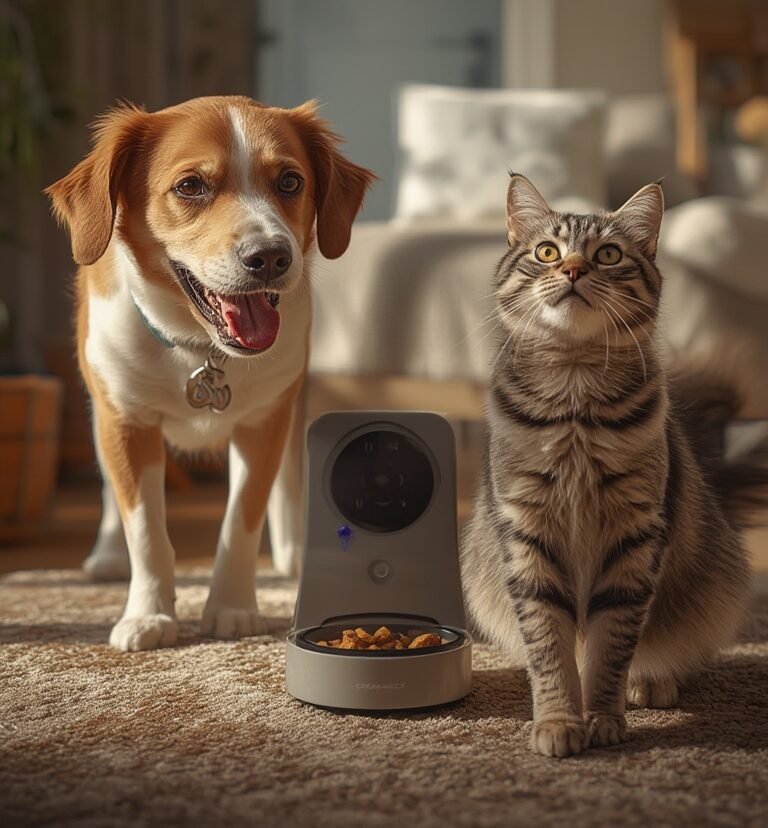
Pet camera treat dispenser technology continues to advance, blending video monitoring, interaction, and remote rewards in one device. The market is booming and innovation is rapid, but with limited public specs, buyers must look closely at app reliability, treat compatibility, privacy, and support. Used thoughtfully, these devices can help keep pets happy, monitored, and enriched throughout the day.
Curious about the best treat dispensing options for your home? Start comparing models today to find a pet camera treat dispenser that matches your pet’s needs and your lifestyle. If you want more connected pet solutions, explore guides like our smart pet feeder overview or discover enrichment ideas in the dog puzzle feeder buying guide.
FAQ
What treats work best in pet camera treat dispensers?
Most devices require dry, small-sized treats (about 1cm in diameter) to avoid jams. Always check the manufacturer’s specs and test dispensing before leaving pets alone.
Can pet treat cameras help with separation anxiety?
Many pet owners have found that live interaction and treat dispensing can calm anxious pets—especially when combined with other enrichment activities or comfort items.
Are pet camera treat dispensers secure?
Security practices vary by brand. Look for devices with app authentication, local video encryption, and strong privacy policies. There’s little public reporting on security incidents in this category, so shop carefully.
Do I need a subscription for AI features or cloud recording?
Some brands include basic features for free, while advanced AI alerts or cloud video storage may need a monthly subscription. Evaluate your needs and read device descriptions closely.
How do I clean my pet camera treat dispenser?
It’s best to wipe down the exterior and clean the treat hopper weekly. Always unplug or turn off the device before cleaning. Avoid harsh solvents, and follow the manual for any removable parts.