

Cat self grooming brush solutions are now a must-have item for cat owners who want to keep their felines healthy and reduce loose fur at home.
Key Takeaways
- The global market for cat self grooming brushes has reached $1.47 billion in 2024, highlighting growing demand and innovation in pet grooming.
- Wall-mounted self grooming brushes give indoor cats a way to self-soothe, reduce loose hair, and can be a smart addition to homes with heavy shedders.
- Selecting the right brush, correct installation, and regular cleaning are essential for safety, hygiene, and long-term cat acceptance.
- The Core Concept: What Is a Cat Self Grooming Brush and Why Use One?
- Step-by-Step Guide: How to Install and Use a Cat Self Grooming Brush
- Advanced Analysis & Common Pitfalls
- Conclusion
- FAQ
The Core Concept: What Is a Cat Self-Grooming Brush and Why Use One?
A cat self-grooming brush is a device—usually wall-mounted or corner-mounted—designed to let cats rub, scratch, and brush themselves without human help. Most models feature a bristled or rubberized surface that traps loose fur and gently massages your cat’s skin as it passes by. It is popular among busy pet parents, cats that dislike regular brushing, and for fostering independent hygiene habits in multi-cat households.
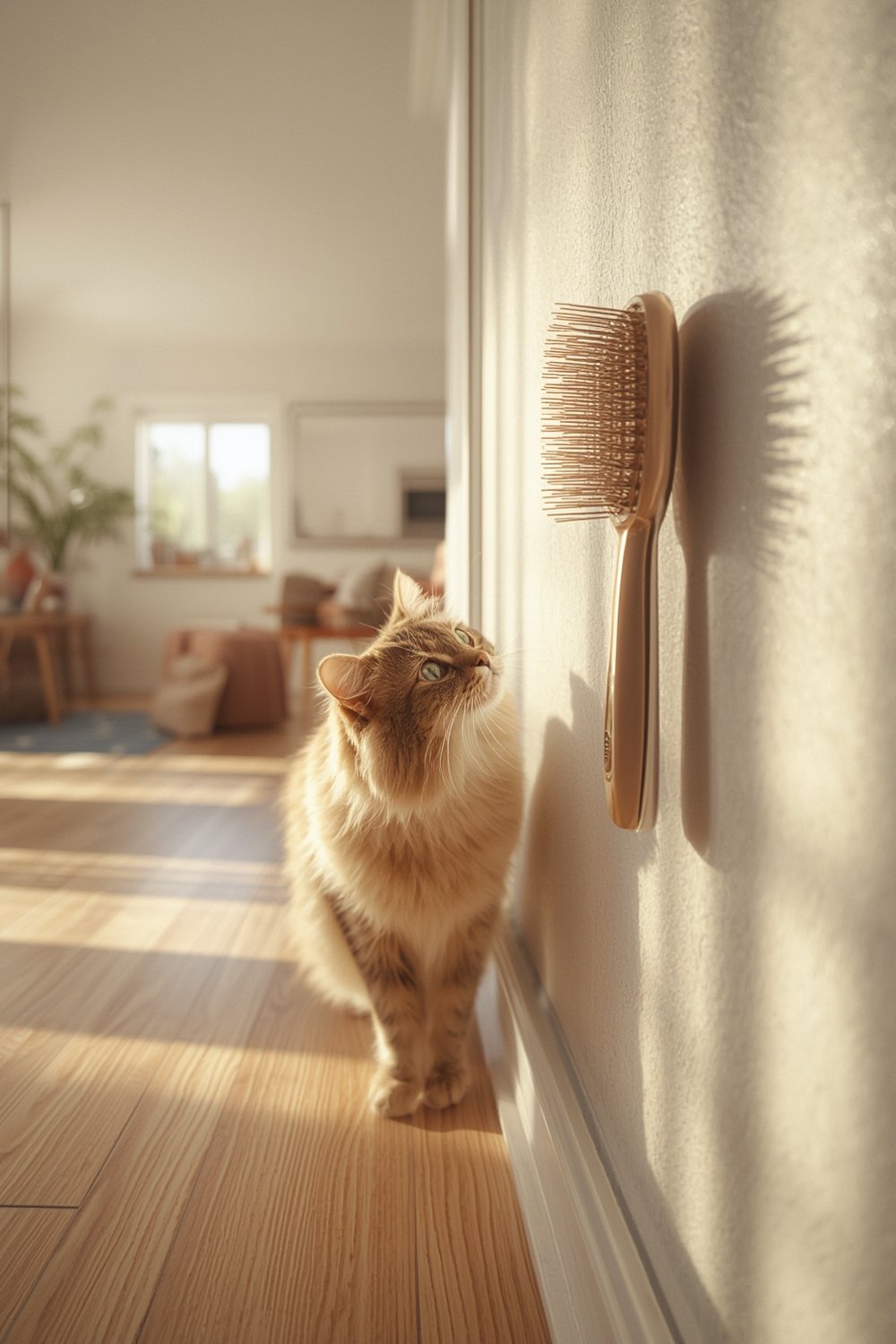
Why are these brushes catching on? First, cats love having control over their own grooming—it taps into natural instincts. Second, wall-mounted units appeal to indoor cats who lack outdoor opportunities for self-grooming on tree trunks or rough surfaces. This can support coat health, help control shedding, and provide a soothing “self-care” spot, which is especially valuable for anxious or bored pets.
If you’re aiming for a cat-friendly home, a self grooming station can be paired with smart cleaning devices (automatic litter boxes), hydration solutions (pet water fountains), or pet hair removers (roller pet hair removers) for a complete grooming ecosystem.
Globally, the cat grooming brush self-cleaning market hit $1.47 billion in 2024, and awareness about the health benefits continues to drive growth (source).
Step-by-Step Guide: How to Install and Use a Cat Self-Grooming Brush
Getting started is straightforward, but taking extra care with installation and product choice makes all the difference in your cat’s engagement.
- Choose the Right Height and Location. Place the brush in a spot where your cat often passes or pauses, such as next to their cat sofa or feeding station.
- Clean the Mounting Surface. Remove dust and debris to maximize adhesive or screw holding strength.
- Install the Brush Firmly. For adhesive-mounted panels, hold them in place for one minute. For screw mounts, double-check screw tightness to ensure the brush doesn’t wobble.
- Test for Stability. Give the brush a gentle tug before introducing your cat—unstable brushes can spook even the most curious felines.
- Introduce Your Cat. Lead your cat to the brush, gently showing them how it works by running their favorite cheek spot across the bristles or using a treat trail.
- Clean Regularly. Once full of hair or debris, remove the brush (most snap out easily) and wash with mild soap, allowing it to fully dry before reattaching.
- Monitor Usage. Some cats take days to warm up; if yours isn’t interested, try moving the brush or reapplying catnip weekly.
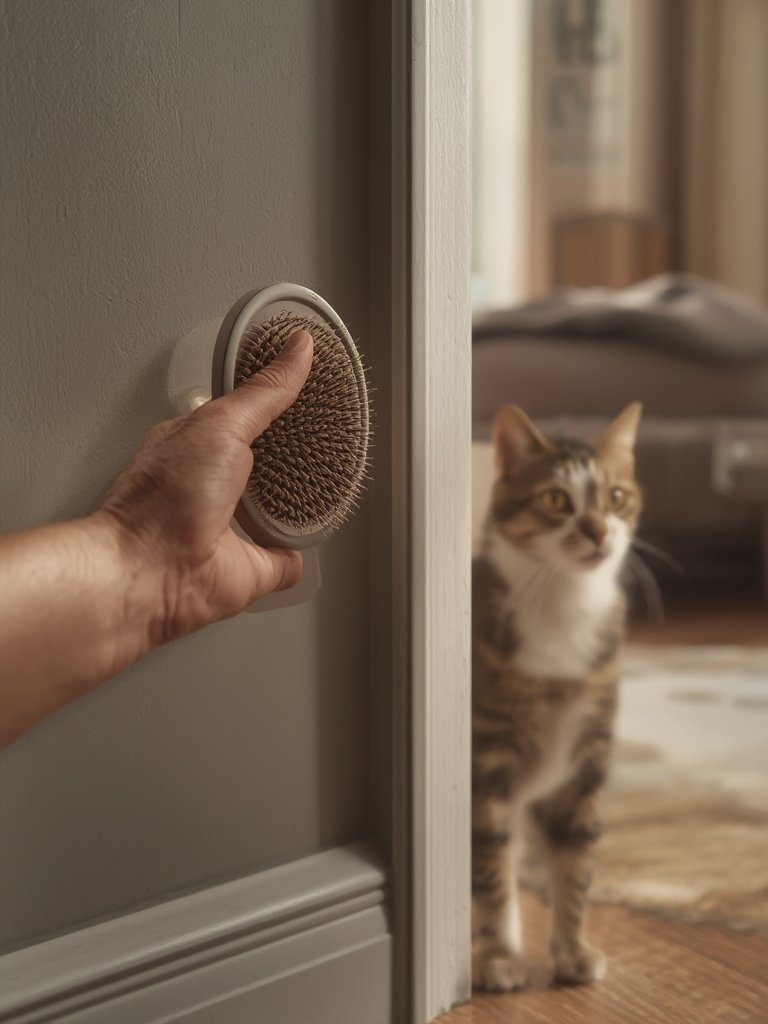
Many cat self-grooming brushes come with easy snap-in inserts, replacement heads, and cleaning instructions. If you want an option that blends seamlessly into your décor, look for clear plastic or designer finishes. For cats with sensitive skin, opt for softer, rounded bristles and check for BPA-free materials (though not all brands specify safety standards).
If you’re tackling multi-pet fur problems, consider pairing your grooming setup with a roller pet hair remover or upgrading your furniture to pet-friendly sofa fabric.
Advanced Analysis & Common Pitfalls
Despite their popularity, cat self-grooming brushes may come with challenges. Understanding the limitations and common pain points before buying helps prevent disappointment for you and your feline companion.
| Aspect | Potential Pitfall | How to Avoid |
|---|---|---|
| Installation | Poor adhesion or loose mounting can result in the brush falling off, scaring the cat or damaging furniture. | Clean and dry the area well. Consider screw-mounting for high-traffic spots or rambunctious cats. |
| Material Safety | Some budget brushes use low-grade plastics that can break or leach chemicals. | Choose brushes from reputable brands and, if possible, check for BPA-free or food-grade materials. |
| Cat Acceptance | Some cats ignore the brush entirely or become frightened by movement or the sensation. | Use catnip, scent marking, and patient encouragement. Try different locations. |
| Cleaning & Maintenance | Hair build-up can make the device unsightly and can harbor bacteria or allergens. | Wipe or wash weekly, and ensure all soap residue is gone before reattaching. |
| Durability | Frequent, aggressive use by large or strong cats can snap some brushes, especially cheaper models. | Read user reviews carefully before purchase; invest in higher-quality units for multi-cat homes. |
The lack of detailed, brand-specific negative reviews in published search data means it’s key to check recent buyer feedback on retail platforms and to avoid “too good to be true” pricing on unknown brands. As the market grows—estimates value the cat grooming slicker self-cleaning market at $488 million in 2024 (source)—choices abound, but so do quality disparities.
For holistic pet routines, smart technology like a smart pet feeder or a smart litter box can complement self grooming setups, especially for cat owners striving for minimal daily effort.
Conclusion
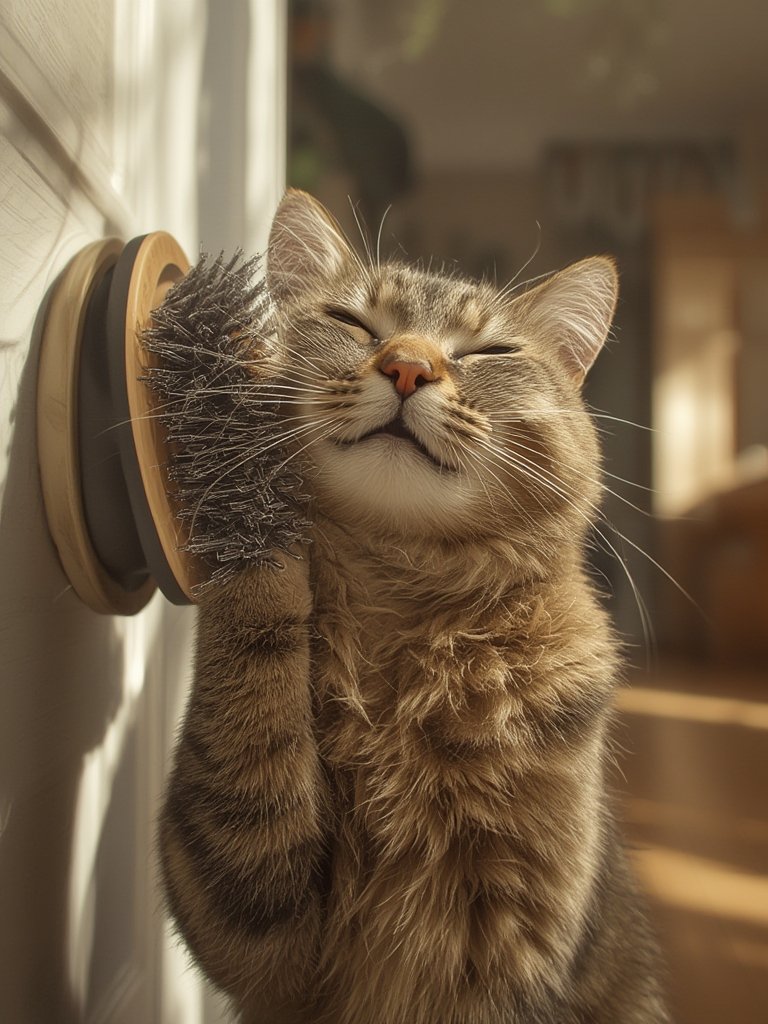
Adopting a cat self-grooming brush is a simple way to promote feline wellness, cut down on loose hairs, and give your cat some independence. Be realistic—no product is perfect, but most cats will benefit with the right setup and a little patience. Choose robust materials, install carefully, and supplement with regular maintenance for a happier, healthier pet home.
Ready to upgrade your cat’s environment? Compare options, read recent reviews, and invest in your first cat self-grooming brush for a cleaner home and a more content feline. Explore the rest of our guides—from pet water fountains to designer cat sofas—to maximize your pet care setup.
FAQ
Are cat self grooming brushes safe for all cats?
Most are safe for healthy adult cats. However, avoid these brushes immediately after surgeries, in cats with severe skin infections, or if your cat is overly aggressive with plastic objects. Always supervise for the first few days.
How often should I clean the self grooming brush?
Ideally, remove fur and wash the brush every week. If your cat sheds heavily or if there are multiple cats, clean more frequently to prevent odor and bacteria buildup.
Do self grooming brushes really help with shedding?
Yes, regular use reduces the amount of loose fur spread around your home, but is not a replacement for deep brushing—especially in long-haired or heavy-shedding breeds.
Why won’t my cat use the brush?
Some cats take longer to adapt. Try catnip, move the brush to a favorite location, or let your cat watch you interact with the device so they learn it’s safe.
What if the brush damages my wall or furniture?
Adhesive-mounted models can pull paint. Choose removable pads or consider a screw-mount in inconspicuous areas. Test on a small hidden section first!