

Automatic dog door smart solutions are redefining convenience and security for pet owners, offering app-controlled access and advanced pet recognition technology that let you control your dog’s movements remotely.
Key Takeaways
- The smart pet door market is booming, but many users still face installation, security, and weather-related challenges.
- Recent advancements include AI-powered pet recognition, solar-powered designs, and seamless app integration for remote control.
- Smart dog doors bring genuine benefits, but you must weigh up cost, reliability, and security before committing.
- The Core Concept: What Is an Automatic Dog Door Smart Solution?
- Step-by-Step Guide: How to Select and Install a Smart Dog Door
- Advanced Analysis & Common Pitfalls
- Conclusion
- FAQ
The Core Concept: What Is an Automatic Dog Door Smart Solution?
An automatic dog door smart system is a pet entryway that uses advanced identification technology—like microchips, RFID collars, or mobile apps—so you can manage when and how your dog enters or leaves the house. Unlike basic flap doors, these models offer enhanced security and convenience, letting only authorized pets in or out, and providing notifications directly to your phone.
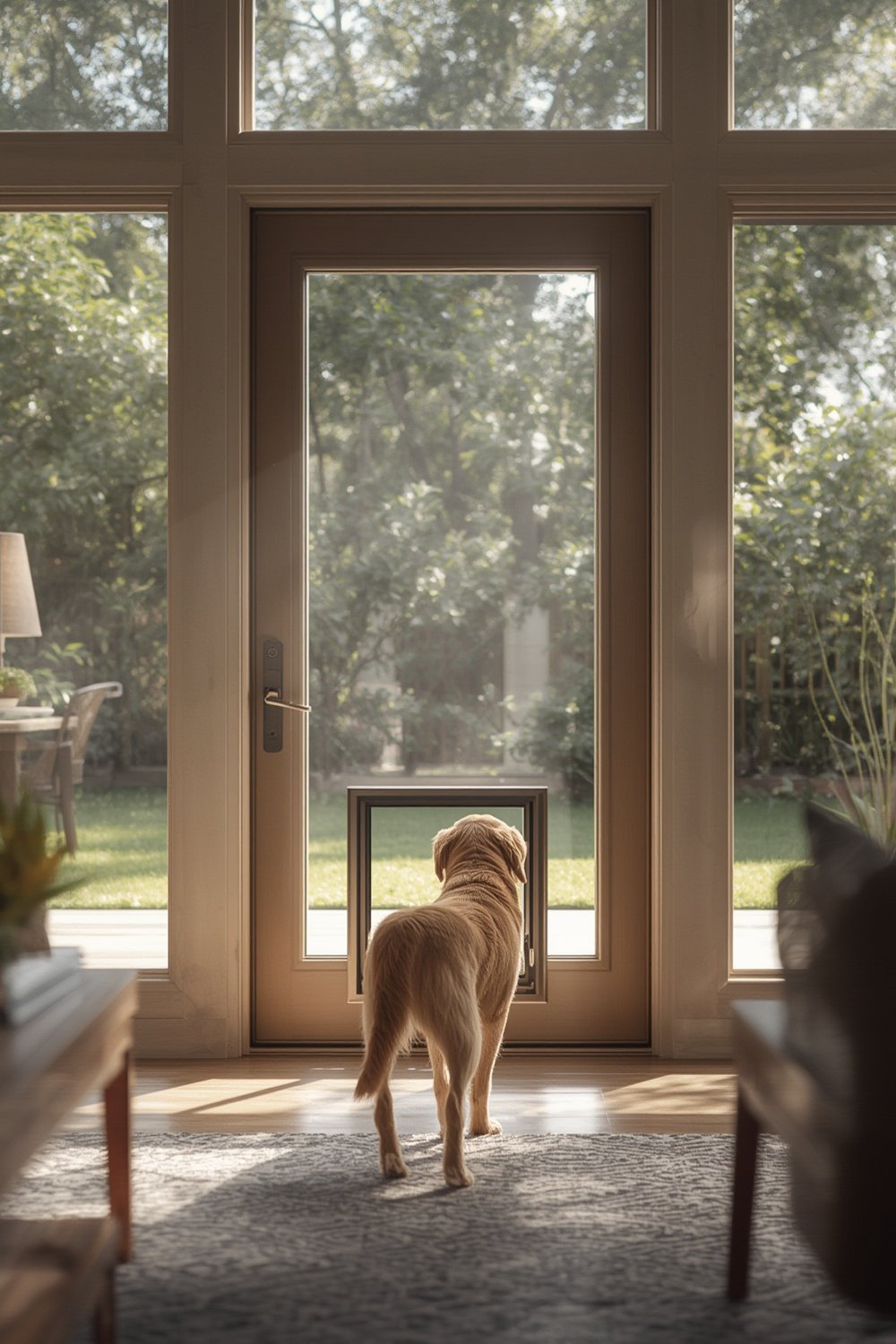
The main advantages are peace of mind, better security than traditional doors, and smarter pet management. As pet ownership continues to rise (66% of U.S. households own pets according to market research), demand for these tech-enabled solutions has skyrocketed. The market has moved beyond one-size-fits-all: today’s top doors connect with your smart home, offer AI-based features, and are designed to deal with harsh weather.
However, smart doesn’t always mean perfect. Costs, weather performance, and cybersecurity still cause hesitation for buyers. Understanding both the promise and limits helps you make a sound, informed decision for your pet and your home.
Step-by-Step Guide: How to Select and Install a Smart Dog Door
Ready to upgrade? Here’s how to confidently choose and set up an automatic dog door smart solution that fits your lifestyle and your dog’s needs.
- Clarify your needs:
- Is your dog microchipped? If not, opt for a model with RFID collar tags or app-only control.
- Consider which door (back, side, garage) will be used and what exposure it has to weather.
- Compare model features:
- Look for app integrations—some allow remote lock/unlock, activity logs, and real-time notifications.
- Check for energy efficiency: Seek double-flap or insulated designs suitable for your climate.
- Security options—doors with biometric, microchip, or app-based access minimize unwanted intrusions.
- Review installation types: Wall, door, or sliding glass panel?
- Research top brands and read owner experiences:
- New models like the Kolbe/Pawport system combine Bluetooth/app access and weatherproof tunnels—ideal for variable climates. (Learn about The Ultimate System)
- Check support and firmware update track records for any tech device.
- Budget realistically:
- High installation costs are a known barrier. Factor in professional installation if you’re not handy, plus the potential for retrofitting.
- Compare total cost—including hardware, installation, and typical maintenance expenses.
- Solar-powered models may save on running costs (see latest market research).
- Order and install:
- Follow manufacturer instructions exactly. Most smart pet doors require precise calibration of sensors or chips—improper setup can lead to failure or false readings.
- Double-check Wi-Fi signal strength at the installation point for app-based models.
- Test all entry/exit permissions and lock controls before letting your dog use it solo.
- Monitor and adjust:
- Utilize app features to set schedules or restrictions. Review notifications and access logs regularly.
- Clean and inspect moving parts—especially in high-weather areas—monthly for optimal performance.
- Update firmware when prompted to patch security vulnerabilities and ensure compatibility with the latest apps.
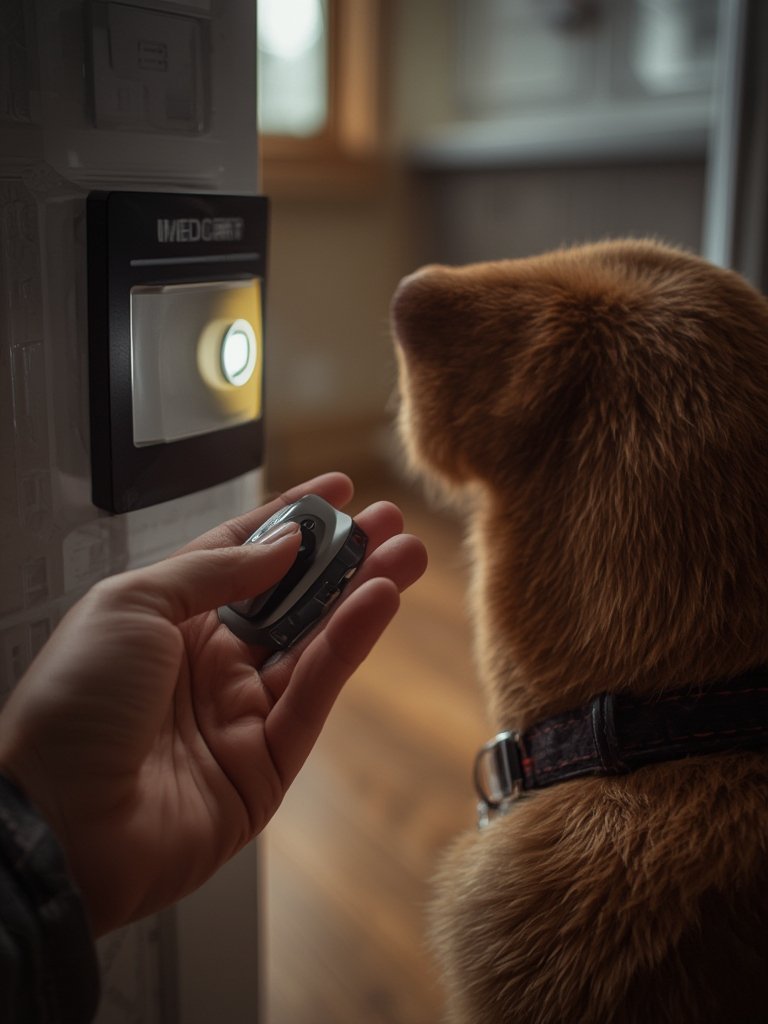
For inspiration on enhancing your pet’s environment with technology, check out our wireless GPS dog fence guide, or read practical reviews in the smart pet feeder buying guide.
Advanced Analysis & Common Pitfalls
Smart pet doors aren’t a magic fix. It’s crucial to know the persistent issues, especially if your home or climate brings extra obstacles.
Core Pitfalls & Risks
- Technical limits in extreme weather: Even high-end models can struggle with snow, ice buildup, or direct sun. Weatherproofing matters—use secondary seals or storm flaps.
- Security vulnerabilities: While microchip and app-lock tech is an upgrade from traditional flap doors, hackers and clever raccoons aren’t mythical risks. Without two-factor authentication and regular firmware updates, remote hacking or forced entry is possible (market data acknowledged ongoing skepticism).
- Installation complexity: DIY is possible, but many buyers underestimate the fit and custom sealing effort. Expect to spend extra if you have older or nonstandard doors or walls.
- App integration hiccups: These products rely on robust Wi-Fi and sometimes require a dedicated hub. Wi-Fi dead zones or router issues often lead to system crashes or false alarms.
- Maintenance costs: Batteries, sensors, or wireless hardware replacement add to total cost of ownership, but these numbers are rarely disclosed upfront.
Smart vs. Traditional: A Realistic Comparison
| Feature | Traditional Pet Door | Automatic Dog Door Smart Model |
|---|---|---|
| Access Control | None (any animal can enter/exit) | Customizable (microchip, RFID, app lock, AI recognition) |
| Security | Low (feeds home security fears) | Improved (but some risk remains if not updated/secured properly) |
| Weather Resistance | Usually basic—drafty, leaks possible | Better (double-seal, insulated), but may still struggle in extreme cold/heat |
| Installation Cost | Low-moderate; most are DIY-friendly | High; pro install often recommended, extra cost for smart features |
| Integration | None | Full (Wi-Fi, app, smart home routines possible) |
| Maintenance | Minimal | Ongoing (batteries, cleaning, software updates) |
For those interested in weatherproof home solutions, the window insulation kit guide walks you through sealing drafts and saving on utilities—essential knowledge if you’re adding a pet door to a climate-facing wall.
Exploring enrichment or climate comfort? Enhance your dog’s daily life with dog enrichment toys or keep them safe on hot days with a dog cooling vest.
Conclusion
Smart pet access has been revolutionized by the automatic dog door smart revolution—offering pet owners significant upgrades in security, convenience, and remote control. But choosing the right model demands realistic expectations: consider installation, weatherproofing, and app support before deciding. Review owner experiences, compare costs, and don’t be afraid to invest in add-ons that improve reliability. Bring peace of mind to your daily routine—upgrade to an automatic dog door smart solution with care, and your home and pet will thank you.
Ready to keep your pet safe and your home secure? Take the next step and explore leading models, or review other pet-friendly tech like our automatic litter box guide for more smart living solutions.
FAQ
Do automatic dog door smart systems work with any pet?
Most work with dogs and cats, but compatibility depends on your pet’s size and whether they’re microchipped or have a collar tag. Always check manufacturer specs before buying.
Will a smart dog door withstand harsh weather?
Premium models include insulated flaps and weatherproof seals, but performance still varies in extreme conditions. Look for models with double-layer flaps and consider secondary weatherproofing if you live in a severe climate.
Are smart dog doors truly secure?
They’re more secure than basic pet flaps, using microchip, RFID, or app-based locks. However, all wireless devices carry some cybersecurity risk. Regularly update firmware and use strong Wi-Fi passwords.
How much does installation really cost?
Costs vary widely by model and home type. Simple installs can run $100-$200 DIY, but advanced models with smart features often require professional installation, ranging from $300 to $800 or more. Always factor in potential retrofitting or sealing needs.
What is the maintenance for a smart dog door?
You’ll need to clean the sensors and moving parts monthly, keep the app updated, and occasionally replace batteries or electronic components. Plan for minor ongoing costs to keep the system reliable.