
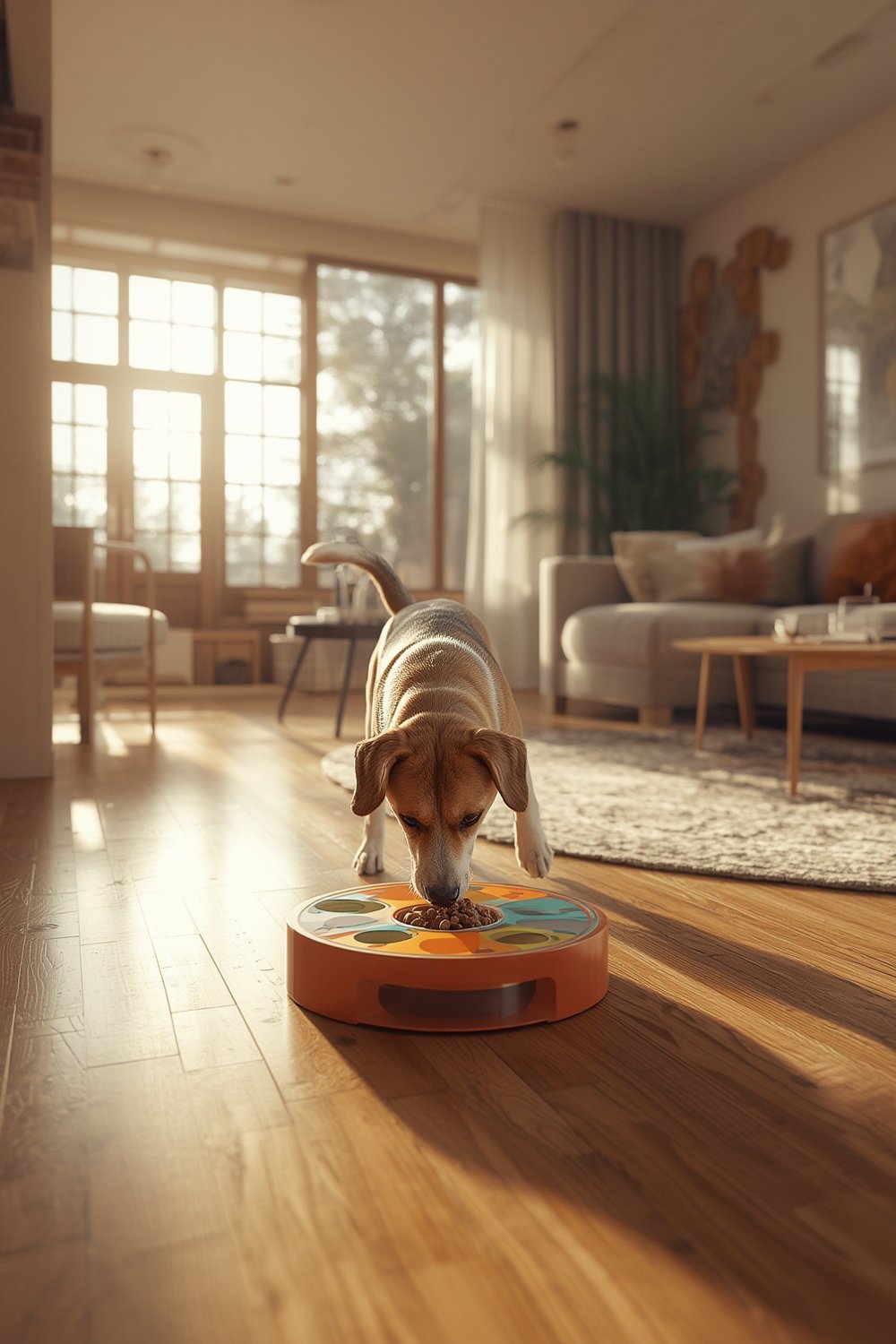
Dog puzzle feeders solutions are rapidly gaining popularity with pet owners who want to slow their dog’s eating, provide mental stimulation, and cut down on boredom-related behaviors.
Key Takeaways
- Puzzle feeders slow down eating and encourage mental enrichment, proven to reduce stress and food aggression in dogs.
- Scientific studies confirm real benefits, but not all dogs prefer puzzle feeders, and only a minority show reduced begging.
- Choosing the right feeder and introducing it properly helps maximize benefits and minimize frustration or non-use.
- What Are Dog Puzzle Feeders and Why Use Them?
- How to Use a Dog Puzzle Feeder: Step-by-Step Guide
- Advanced Analysis & Common Pitfalls
- Conclusion
- FAQ
What Are Dog Puzzle Feeders and Why Use Them?
Dog puzzle feeders are interactive food-dispensing toys or specially designed bowls that require dogs to solve simple puzzles, manipulate parts, or work at retrieving kibble before they can eat. The goal is to slow your dog’s eating rate, reduce monotony, and make mealtimes a mentally engaging task.
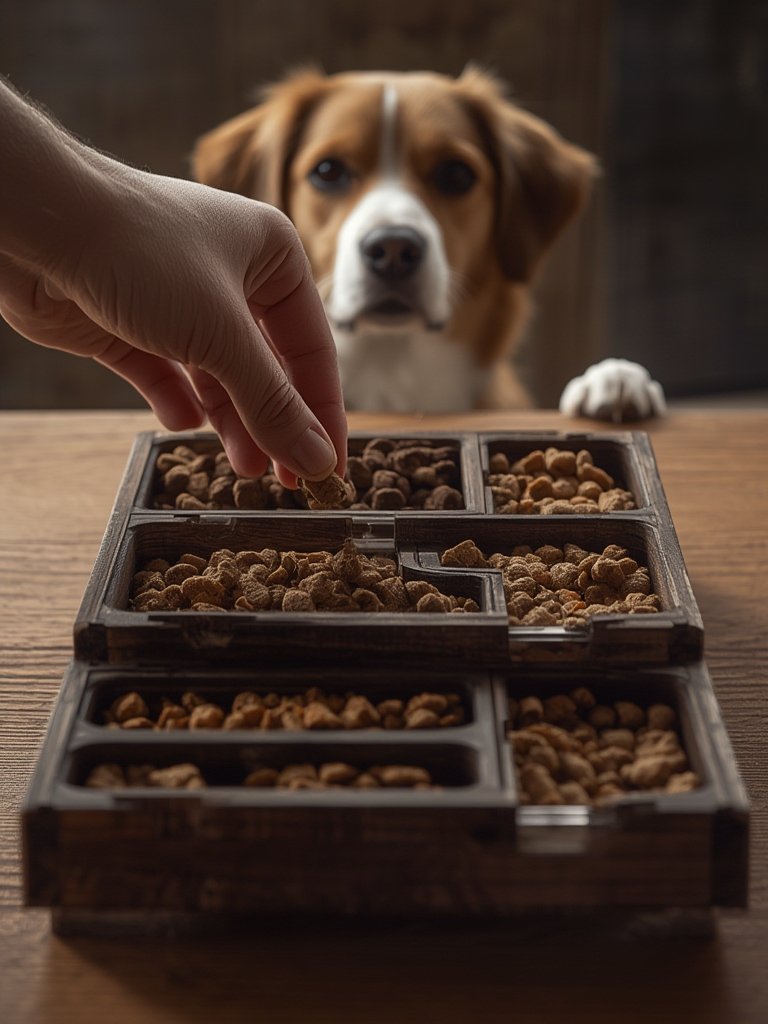
Research shows dogs who use puzzle feeders eat more slowly and display calmer, less protective behaviors over food (source). Studies also confirm a reduction in stress, particularly for dogs in stimulating environments like kennels (source).
Providing both nutrition and mental exercise, dog puzzle feeders remain one of the top dog enrichment toys available today. They align with a growing movement among veterinarians and trainers to treat boredom and anxiety with tailored play and stimulation.
How to Use a Dog Puzzle Feeder: Step-by-Step Guide
Getting the most out of a puzzle feeder requires more than just filling it with kibble and hoping for the best. Here’s how to introduce and optimize a puzzle feeder for nearly any dog.
- Choose the Right Difficulty: For puzzle feeder novices, start with a basic slow feeder bowl. For experienced or energetic eaters, try a multi-step puzzle toy.
- Supervise the First Few Uses: Observe your dog as they investigate the new feeder. Offer encouragement and gently demonstrate how food is accessed if they seem stuck.
- Reward Completion: Add extra treats for early attempts to foster positive association. If your dog loses interest, break the task down and restart with a simpler version.
- Gradually Increase the Challenge: Once they master each puzzle, move to the next difficulty—more compartments, sliding doors, or multi-layer challenges.
- Wash the feeder daily: Wash the feeder daily, especially if using wet or freeze-dried food. Many puzzle feeders are dishwasher safe for convenience.
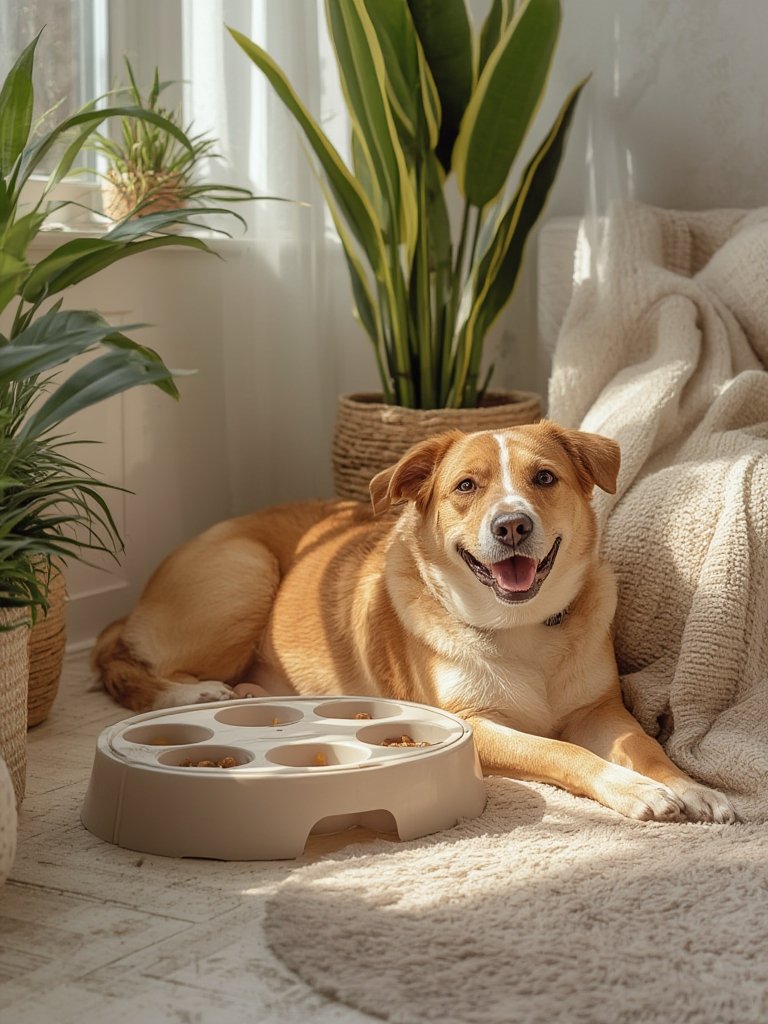
You can rotate several puzzle feeders to keep things fresh or combine with other enrichment strategies for best results. For dogs who need more engaging mealtimes, try pairing puzzle feeders with a smart pet feeder or incorporating additional pet hydration solutions as part of their routine.
Advanced Analysis & Common Pitfalls
While the benefits of dog puzzle feeders are real, recent studies and owner surveys reveal that not every dog or household will see equal results.
- Limited Adoption: In a 2024 survey, 58% of dogs still preferred a traditional bowl, with only 3% electing for a food-dispensing toy (source).
- Unwillingness to Engage: Roughly 1 in 5 dogs simply refused to use the puzzle feeder, even after multiple attempts (source).
- Appetite and Begging: Only about 20% of owners reported reduced begging; most dogs adjusted quickly and continued previous feeding behaviors (source).
| Benefit or Issue | Puzzle Feeder Impact | Traditional Bowl |
|---|---|---|
| Eating Speed | Significantly Slower | Rapid Consumption |
| Stress Reduction | Proven in Studies | No Change |
| Digestive Issues | Anecdotal Benefit (not clinically proven) | Higher Risk (fast eating linked to bloat) |
| User Complaints | Some Dogs Unwilling | Generally Accepted |
| Mental Stimulation | High (Eureka! Effect observed) | Low (No challenge) |
Many dog owners overlook the importance of feeder size, complexity, or the potential for frustration if the challenge is too great. For multi-pet households, competitive feeders or tech-enabled solutions, such as a wireless GPS dog fence, can also help keep food access controlled and safe.
Some products can be difficult to clean or may not be durable for power chewers. Read cleaning and durability reviews before buying, and consult guides on pet cleaning tools if you find food particles make a mess.
Conclusion
Puzzle feeders have strong research supporting their effectiveness for slowing eating and increasing mental enrichment. However, not all dogs will adopt a puzzle feeder instantly or prefer it long term. Consider your dog’s temperament, introduce change patiently, and rotate enrichment routines for best success. Using a dog puzzle feeder alongside other enrichment approaches provides one of the best all-around solutions for happier, healthier mealtimes.
Ready to upgrade your dog’s mealtime experience? Browse top-rated puzzle toys and see how a single change can boost your pet’s health and mood starting today!
FAQ
Do puzzle feeders actually slow down how fast my dog eats?
Yes, multiple studies confirm that puzzle feeders slow down eating compared to regular bowls. This helps reduce gulping and may lower the risk of digestive issues.
Will my dog get frustrated or refuse to use a puzzle feeder?
Some dogs require guidance or an easier puzzle to start. About 1 in 5 dogs may initially refuse, so pair with treats and encouragement to boost adoption.
How often should I rotate puzzle toys for my dog?
Rotating puzzle toys every few days keeps your dog engaged and maintains the enrichment value. You can mix easy and challenging feeders for variety.
Are puzzle feeders easy to clean?
Most plastic puzzle feeders are dishwasher safe. Check for durable materials and removable parts to simplify cleaning, especially if you use wet or raw foods.
Will a puzzle feeder reduce begging or food-guarding?
Puzzle feeders help distract and engage some dogs, but only a minority of owners report a major drop in begging or food aggression. Consistent use and feeding routines help reinforce better manners.